
Charleston, September 12, 2025
News Summary
Charleston, SC is embroiled in a seafood scandal over mislabeling shrimp origins. A study revealed only four of 44 tested restaurants served local shrimp, sparking a federal lawsuit. Experts caution about health risks posed by imported shrimp, stressing the importance of sourcing transparency.
Charleston’s Seafood Scene Faces Scrutiny Over Mislabeling of Shrimp Origins
Charleston, South Carolina, is grappling with a seafood scandal following a recent study that revealed widespread mislabeling of shrimp served at local restaurants. Of the 44 establishments tested in the area, only four were confirmed to be serving locally caught shrimp, while the remaining 40 were found to be serving imported shrimp instead.
The genetic testing was conducted by Texas-based SeaD Consulting and funded by the Southern Shrimp Alliance. The findings have sparked outrage and prompted a federal lawsuit from the South Carolina Shrimpers Association against several prominent restaurants, including Hyman’s Seafood and Charleston Crab House. These restaurants stand accused of falsely advertising their shrimp as “local,” despite sourcing from countries like Ecuador and Vietnam.
The lawsuit claims violations of the South Carolina Unfair Trade Practices Act and seeks to hold these restaurants accountable for misleading consumers. Local fishermen argue that the influx of imported shrimp has severely impacted their businesses, making it increasingly difficult to compete and thrive in the market.
Public Health Concerns and Consumer Awareness
Beyond the economic implications, the study has raised significant public health concerns. Experts warn that imported shrimp may carry bacteria that are resistant to last-resort antibiotics, posing potential risks to consumers. In contrast, states with restaurant labeling laws reported much lower rates of shrimp misrepresentation. In those states, only 34% of shrimp served was found to be inauthentic, compared to a striking 80% in states without such regulations.
Impact on Local Fishing Traditions
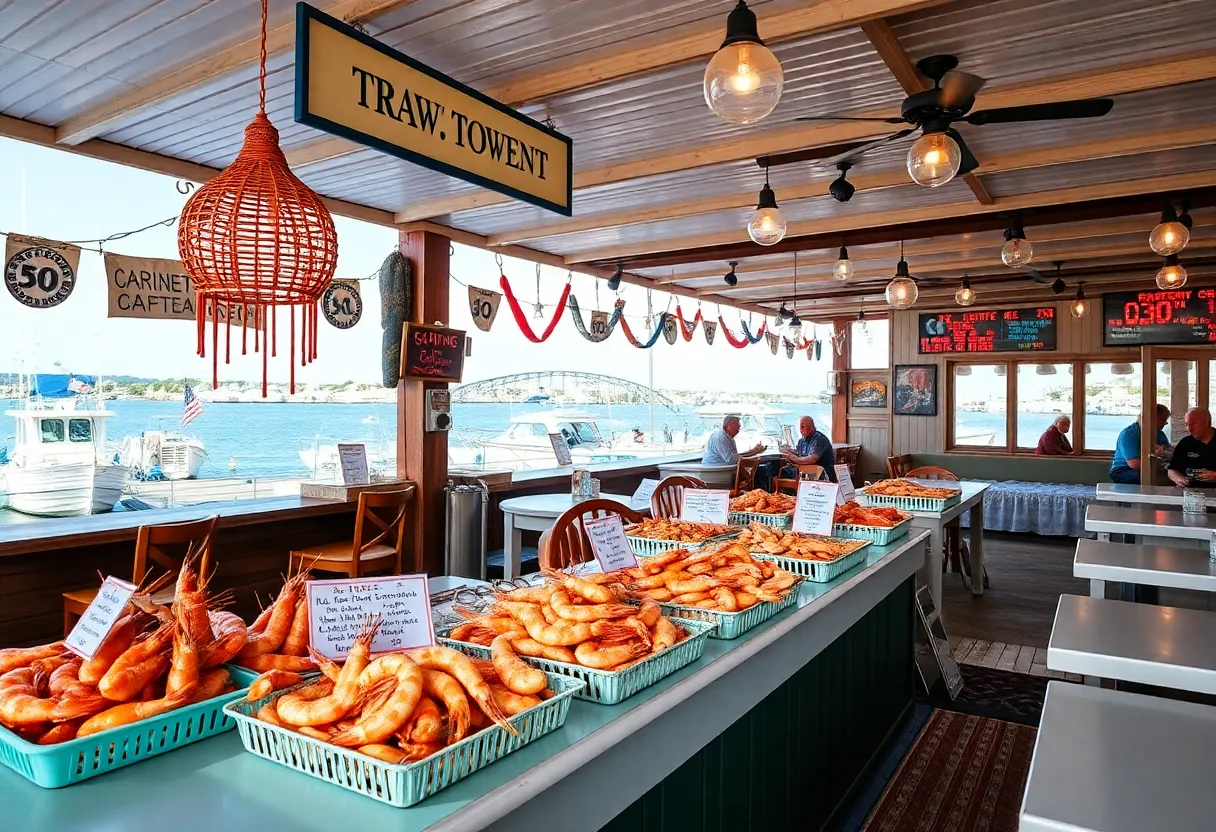
The shrimping industry is viewed as essential to Charleston’s cultural identity and economic sustainability. Local fishermen have expressed frustration over the preference shown by some restaurants for imported shrimp when local options are readily available. The lack of transparency regarding shrimp sourcing practices has further exacerbated consumers’ concerns, particularly when dining at waterfront restaurants where fishermen’s boats are often in plain view.
The four restaurants identified as serving authentic local shrimp are Acme Lowcountry Kitchen, Coosaw Creek Crab Shack, Grace & Grit, and Rappahannock Oyster Bar. Advocacy efforts are underway encouraging diners to inquire about the sourcing of shrimp when ordering, ensuring they are supporting local products and traders.
The Broader Context of Seafood Mislabeling
This situation in Charleston is not unique, as other coastal regions such as New Orleans, Savannah, and Tampa have also experienced issues related to seafood mislabeling. These trends are often connected to varying food labeling laws across different states, highlighting a widespread challenge within the seafood industry.
As the Charleston community navigates this complex issue, the need for transparency and adherence to ethical sourcing in the seafood industry remains critical for both consumer trust and the survival of local fishing traditions.
FAQ Section
What was the purpose of the genetic testing conducted on shrimp at Charleston restaurants?
The genetic testing aimed to identify the origins of the shrimp served at various restaurants to uncover instances of mislabeling.
How many restaurants were found to be serving locally caught shrimp?
Out of 44 restaurants tested, only four were verified as serving locally caught shrimp.
What actions are being taken against the restaurants accused of mislabeling shrimp?
The South Carolina Shrimpers Association has filed a federal lawsuit against these restaurants for false advertising and violating state trade practices.
Why is shrimp mislabeling considered a public health concern?
Imported shrimp may contain bacteria resistant to last-resort antibiotics, posing health risks to consumers.
What can consumers do to ensure the seafood they consume is locally sourced?
Consumers are encouraged to ask restaurants about the sourcing details of their shrimp when ordering.
Key Features Summary
| Feature | Details |
|---|---|
| Study Conducted | SeaD Consulting, funded by Southern Shrimp Alliance |
| Restaurants Tested | 44 Charleston-area restaurants |
| Local Shrimp Found | 4 restaurants serving local shrimp |
| Import Impact | 40 restaurants served imported shrimp from Ecuador, Vietnam |
| Lawsuit Filed By | South Carolina Shrimpers Association |
| Health Concerns | Potential antibiotic-resistant bacteria in imported shrimp |
| Community Impact | Local fishing industry’s cultural and economic significance |
Deeper Dive: News & Info About This Topic
HERE Resources
Charleston Shrimpers Advocate for Truth-in-Labeling Laws
Charleston’s Seafood Scene Faces ‘Shrimp Fraud’ Controversy
South Carolina Shrimpers Association Sues Restaurants Over Shrimp Misrepresentation
Charleston Restaurant Owners Struggle with New Grease Trap Regulations
Philadelphia’s SEPTA Becomes Hub for Lawyer Advertising
South Carolina Shrimpers Association Sues Charleston Restaurants
South Carolina Shrimpers Association Sues Local Restaurants
The Transformative Landscape of Legal News for Lawyers
SCSA Sues Restaurants Over Shrimp Sourcing Mislabeling
South Carolina Shrimpers Association Sues Charleston Restaurants
Additional Resources
- Post and Courier: Charleston Seafood Guide
- Charleston Business: Shrimp Mislabeling Lawsuit
- Garden & Gun: Shrimp Fraud Allegations
- The State: Lawsuit Against Restaurants
- Live 5 News: Report on Lowcountry Restaurants
- Wikipedia: Shrimp
- Google Search: Shrimp Mislabeling
- Google Scholar: Seafood Fraud
- Encyclopedia Britannica: Seafood
- Google News: Charleston Shrimp Mislabeling


Author: STAFF HERE CHARLESTON
The CHARLESTON STAFF WRITER represents the experienced team at HEREcharleston.com, your go-to source for actionable local news and information in Charleston, Charleston County, and beyond. Specializing in "news you can use," we cover essential topics like product reviews for personal and business needs, local business directories, politics, real estate trends, neighborhood insights, and state news affecting the area—with deep expertise drawn from years of dedicated reporting and strong community input, including local press releases and business updates. We deliver top reporting on high-value events such as the Spoleto Festival USA, Charleston Wine + Food Festival, and the MOJA Festival. Our coverage extends to key organizations like the Charleston Metro Chamber of Commerce and the Charleston Museum, plus leading businesses in tourism and maritime industries that power the local economy such as South Carolina Ports Authority and the Charleston Visitor Center. As part of the broader HERE network, including HEREaiken.com, HEREbeaufort.com, HEREchapin.com, HEREcharleston.com, HEREclinton.com, HEREcolumbia.com, HEREgeorgetown.com, HEREgreenwood.com, HEREgreenville.com, HEREhiltonhead.com, HEREirmo.com, HEREmyrtlebeach.com, HEREnewberry.com, HERErockhill.com, HEREspartanburg.com, HEREaustin.com, HEREcollegestation.com, HEREdallas.com, HEREhouston.com, and HEREsanantonio.com, we provide comprehensive, credible insights into South Carolina's dynamic landscape.