
Charleston, SC, January 27, 2026
Amidst ongoing inflation, Charleston consumers are becoming increasingly frugal, significantly affecting retail patterns. The rise in thrift store popularity underscores this shift towards value-oriented shopping. As the local economy grapples with higher living costs, businesses and residents alike are adapting to the changing landscape. Goodwill centers play a crucial role in this transformation, offering affordable shopping options while also contributing to workforce development in the community.
Charleston, SC
Charleston Shoppers Adapt: Thrift Stores Signal Shifting Economic Tides
Amidst persistent inflation, Lowcountry consumers demonstrate fiscal prudence, impacting retail landscapes and highlighting resilient community initiatives and the adaptability of Charleston SC business. This trend reflects a careful approach to spending in an evolving economic climate.
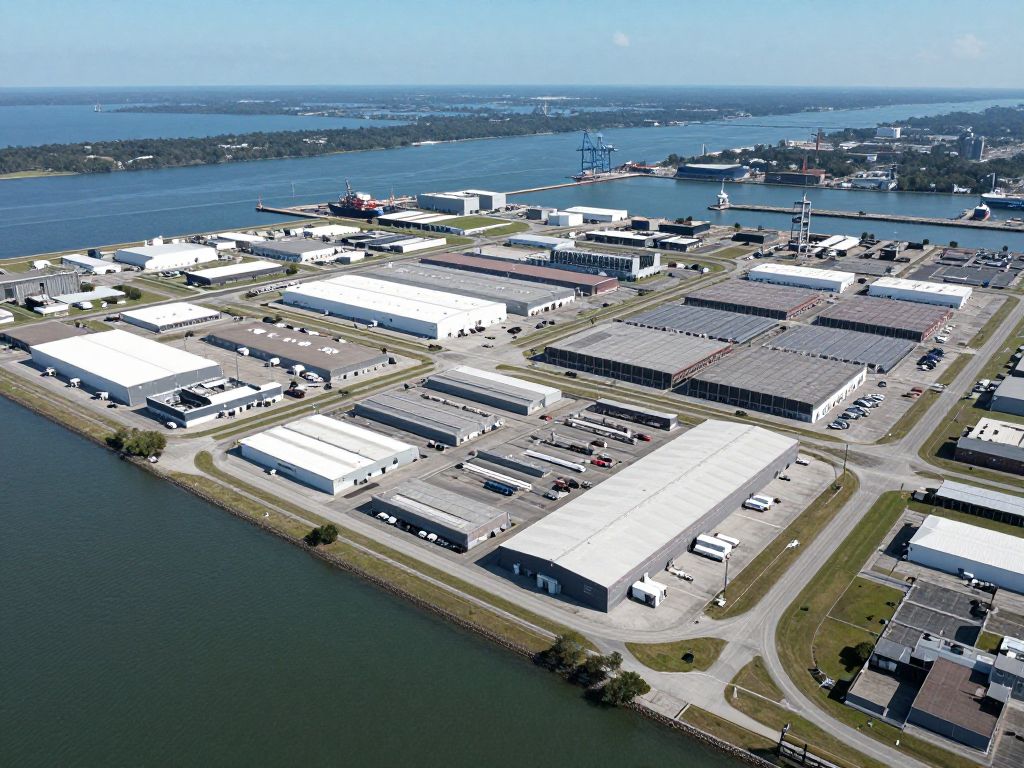
Charleston, South Carolina, has long been recognized for its dynamic economic growth, fueled by the ingenuity of South Carolina entrepreneurs and a strategic focus on diverse industries. The region has experienced significant expansion over the past decade, with private sector wages increasing by 106% compared to a 70% national rise, and its Gross Domestic Product (GDP) growing by 103%, reaching $68 billion. This far outpaces the national GDP growth of approximately 65% over the same period. Furthermore, employment has seen a 27% jump, nearly double the national growth rate of around 15%, with roughly 430,000 people working across the metro area. The Charleston County economy benefits from major sectors including automotive, defense, information technology, life sciences, logistics, medical, and a thriving tourism industry. The median household income in Charleston County stood at $80,401 in 2021.
However, despite these strong foundational indicators, residents and local businesses are navigating the complexities of an uncertain economic environment. Inflationary pressures, which surged during the post-pandemic period, have stabilized somewhat, yet the cost of goods remains elevated, setting a new baseline about 35% higher than pre-pandemic prices. This persistent increase in everyday expenses is making day-to-day life more challenging for families and has contributed to a rise in credit card debt as consumers adapt to the city’s higher living costs. Such conditions often lead to shifts in consumer spending habits, as individuals and families seek greater value for their money.
The Prudent Consumer: A Shift Towards Value
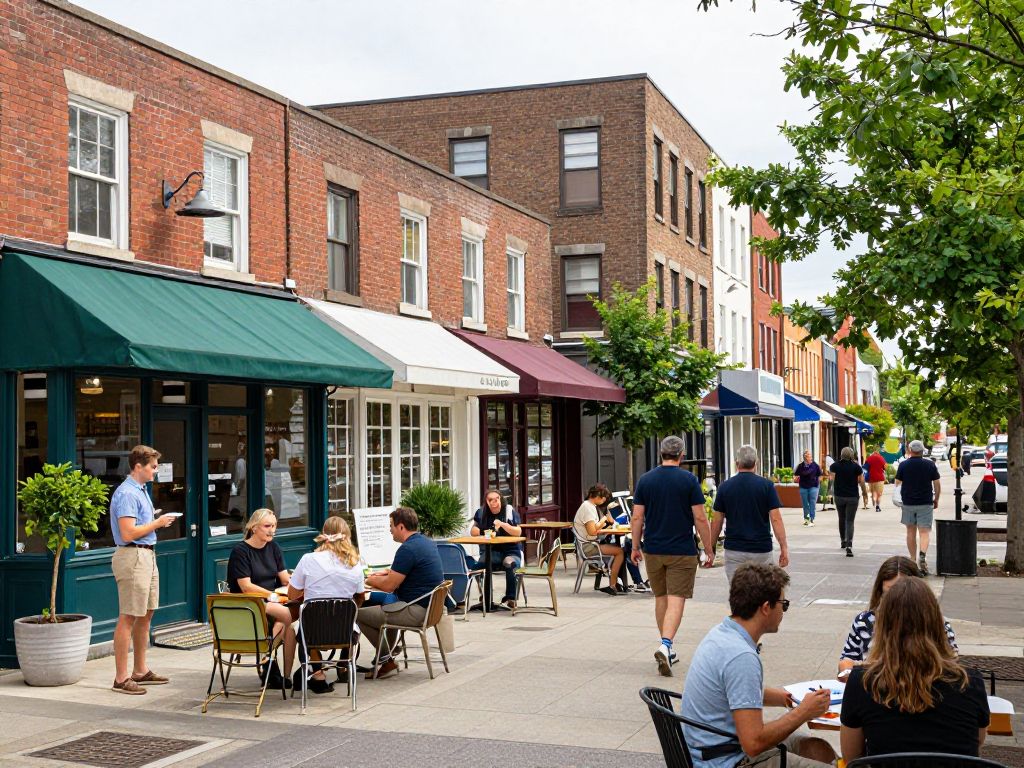
The current economic landscape has prompted a notable change in consumer behavior throughout the Lowcountry. Faced with ongoing high prices, consumers are increasingly “trading down,” making conscious choices to move from higher-priced goods to more economical alternatives, including value retailers and private labels. This strategic adjustment in spending reflects a widespread desire to maintain financial stability and maximize purchasing power in a challenging environment. Real consumer spending has softened recently, indicating that this prudence is impacting the broader market.
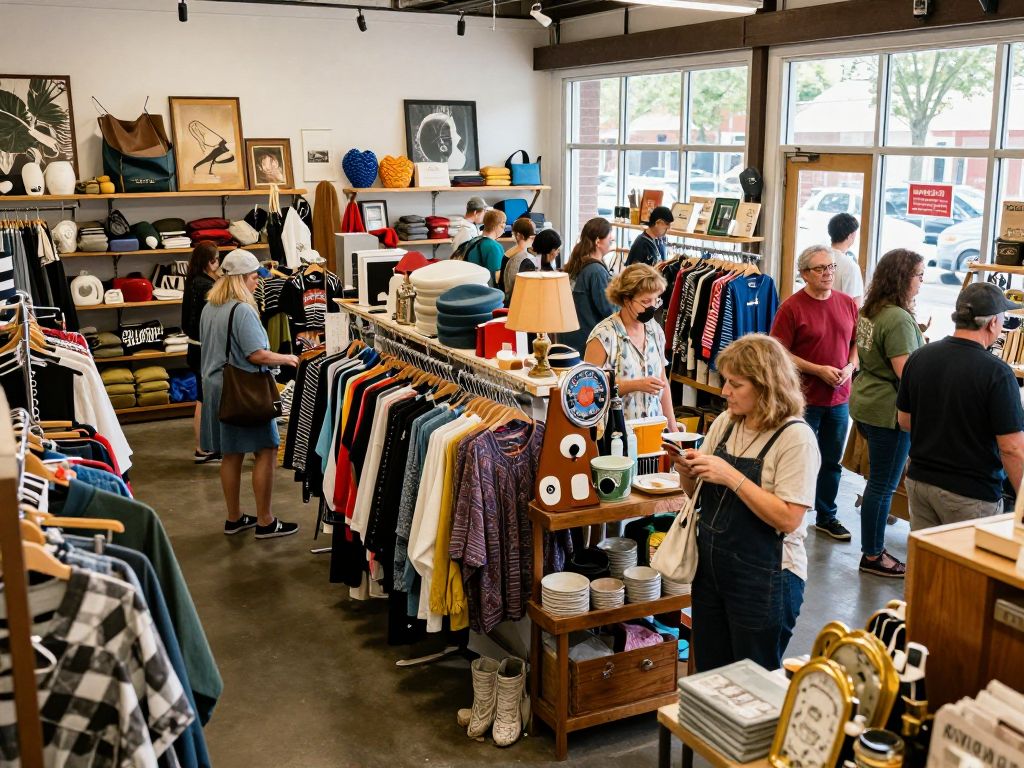
This shift has direct implications for the retail sector, with second-hand shopping gaining considerable traction. Thrift stores, often seen as a barometer of economic sentiment, are experiencing increased demand. When the economy faces challenges, these establishments typically see a rise in sales as more people seek affordable shopping options. Simultaneously, this economic environment can lead to fewer donations to thrift shops, as individuals may be less willing to part with their belongings. The growing popularity of second-hand shopping underscores a broader trend of resourcefulness and value-seeking among Charleston residents.
Goodwill’s Enduring Role in the Community
Local Goodwill centers serve as vital community resources, reflecting the “pulse of the economy” through their operational trends. In fiscal year 2023/2024, Goodwill Industries of Upstate/Midlands South Carolina reported total revenue of $63,691,000, with a substantial portion—$53,630,000—generated from the sales of goods donated by the community. Beyond retail, these organizations provide critical support, helping 18,676 people in their employment search and placing 5,962 individuals into employment during the same fiscal year. Palmetto Goodwill, with multiple locations across coastal counties including North Charleston, actively contributes to job training and certifications, supporting the workforce development within the Charleston County economy.
The resilience of these operations is noteworthy. Palmetto Goodwill, for instance, has strategically utilized financing to expand its reach, securing a $19.3 million bond issue in 2019 to refinance existing facilities across its coastal territory. More recently, in 2022, $16 million in bonds were issued to refinance debt and support the addition of two new stores and increased warehouse capacity in coastal counties. This proactive approach ensures that essential services remain accessible, even as economic conditions fluctuate.
Entrepreneurship and Innovation in the Resale Market
The increased interest in second-hand goods has also spurred entrepreneurial innovation within the resale sector. Beyond traditional thrift stores, Charleston is home to a diverse array of vintage and consignment shops that cater to a growing demand for unique and affordable items. This thriving ecosystem demonstrates how local businesses adapt to changing consumer preferences, transforming economic challenges into opportunities for growth and specialized markets. Goodwill itself has embraced innovation, launching retail initiatives such as “Second Story” and “Auten’s Loft,” which offer boutique shopping experiences designed to attract greater foot traffic and boost sales.
This adaptive spirit within the resale market highlights a fundamental principle of free markets: when consumer demand shifts, innovative entrepreneurs rise to meet it, often creating new pathways for commerce and community benefit. Furthermore, the practice of thrifting aligns with broader environmental stewardship, as Goodwill operations nationwide recover over 4 billion pounds of used goods annually, diverting them from landfills and giving them a second life.
Small Business Resilience in an Evolving Market
While larger organizations like Goodwill demonstrate adaptability, Charleston small business owners face unique challenges in the current economic climate. State-level data indicates that small businesses in South Carolina are contending with significant uncertainty, with inflation consistently identified as a primary concern by 22% of owners. Small business optimism has been historically low for 29 consecutive months, and views on future business conditions have reached their lowest levels in 50 years nationwide. Business owners report increased spending on merchandise and wages, which ultimately translates to higher prices for consumers. High interest rates and ongoing challenges affecting hiring, sales, and profits are further diminishing economic expectations.
Despite these headwinds, the entrepreneurial spirit of Charleston’s small businesses remains strong. Many are finding ways to innovate, streamline operations, and focus on delivering value to their customers, mirroring the prudent behavior of consumers. The ability of these local enterprises to adapt to changing market demands is crucial for sustained Lowcountry economic growth, illustrating the resilience inherent in a competitive market where consumer choice drives innovation.
Navigating the Future of Lowcountry Economic Growth
The noticeable increase in activity at Charleston’s thrift stores and the broader shift in consumer spending reflect a cautious yet resourceful approach to personal finance amidst an uncertain economic outlook. This behavior, driven by elevated prices and a desire for value, underlines the importance of financial prudence for households across the region. At the same time, the adaptability shown by local Goodwill centers and other entrepreneurial ventures in the resale market demonstrates the enduring capacity of the private sector to innovate and serve community needs.
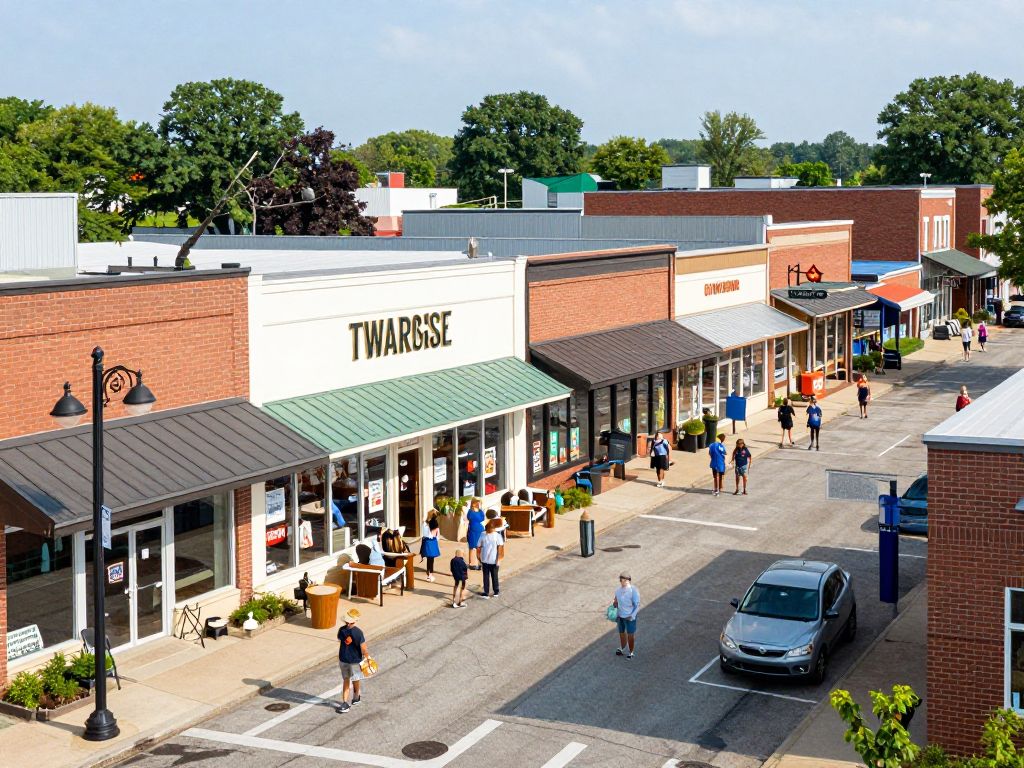
For Charleston to continue its trajectory of economic prosperity, a supportive environment that fosters entrepreneurial innovation and enables businesses to thrive is essential. Policies that reduce regulatory burdens and encourage private investment can further empower local enterprises to adapt to market shifts, create jobs, and offer diverse goods and services. Engaging with and supporting Charleston SC business, from established retailers to burgeoning resale shops, remains vital for nurturing a robust and resilient Charleston County economy that serves all its residents. We encourage readers to explore the variety of local businesses and engage thoughtfully with Charleston’s economic future.
Frequently Asked Questions About Charleston’s Economy and Consumer Trends
- What is the current economic growth status of Charleston, SC?
- Charleston, SC, has experienced substantial long-term economic growth over the past decade. The region’s GDP increased by 103% to $68 billion, and private sector wages rose by 106%. Employment saw a 27% increase, involving approximately 430,000 people across the metro area.
- How has inflation impacted the cost of living in Charleston?
- While inflation spikes have largely leveled out, the cost of goods in Charleston remains elevated, approximately 35% higher than pre-pandemic levels. This has made daily expenses more challenging for families and contributed to growing credit card debt as residents adjust to higher living costs.
- How are consumers in the Lowcountry adapting to economic uncertainty?
- Consumers in the Lowcountry are “trading down,” opting for value retailers and private labels over higher-priced goods due to inflation and elevated prices. This shift indicates a focus on fiscal prudence and value-seeking.
- What role do thrift stores play in the local economy during uncertain times?
- Thrift stores often act as an economic indicator. During periods of economic uncertainty, they tend to see increased sales as consumers seek more affordable options. Concurrently, they may receive fewer donations as people are less willing to part with their belongings.
- What is the annual revenue from donated goods for Goodwill Industries of Upstate/Midlands South Carolina?
- In fiscal year 2023/2024, Goodwill Industries of Upstate/Midlands South Carolina generated $53,630,000 from the sales of goods donated by the community, as part of its total revenue of $63,691,000.
Key Economic and Consumer Trends in Charleston
| Economic Indicator / Trend | Details (Charleston Region / Charleston County) | Scope |
|---|---|---|
| GDP Growth (Past Decade) | 103% increase, reaching $68 billion (vs. 65% nationally) | Charleston Region |
| Private Sector Wage Increase (Past Decade) | 106% increase (vs. 70% nationally) | Charleston Region |
| Employment Growth (Past Decade) | 27% increase, ~430,000 workers (vs. 15% nationally) | Charleston Region |
| Median Household Income (2021) | $80,401 | Charleston County |
| Cost of Goods vs. Pre-pandemic | ~35% higher | Charleston |
| Consumer Spending Behavior | “Trading down” to value retailers and private labels; real spending has softened | Lowcountry |
| Goodwill Annual Revenue from Donated Goods (FY 2023/2024) | $53,630,000 out of $63,691,000 total revenue | Goodwill Industries of Upstate/Midlands South Carolina |
| Small Business Optimism (Nationwide) | Historically low for 29 consecutive months; worst views on future conditions in 50 years | Nationwide |
| Inflation as Top Small Business Problem | 22% of owners cite inflation as their single most important problem | State-level (South Carolina) |
Deeper Dive: News & Info About This Topic
HERE Resources
Charleston’s Logistics Boom: New Center Fuels Economic Engine
Kanawha City Revitalization: A New Chapter for Local Business
Fishers and McCordsville, Indiana – Retail Centers See Major Investment
Brooks Brothers Strengthens Presence on Charleston’s King Street
Charleston’s Food Festival: Fueling Local Growth
State & Liberty Clothing Co. Opens New Store in Greenville
Charleston Marketing Firm Supports Local Startups
West Columbia Welcomes New Entertainment Hub
Charleston’s Wine & Food Festival: A Recipe for Growth
Charleston Buzz: Local Events Energize Community Spirit