

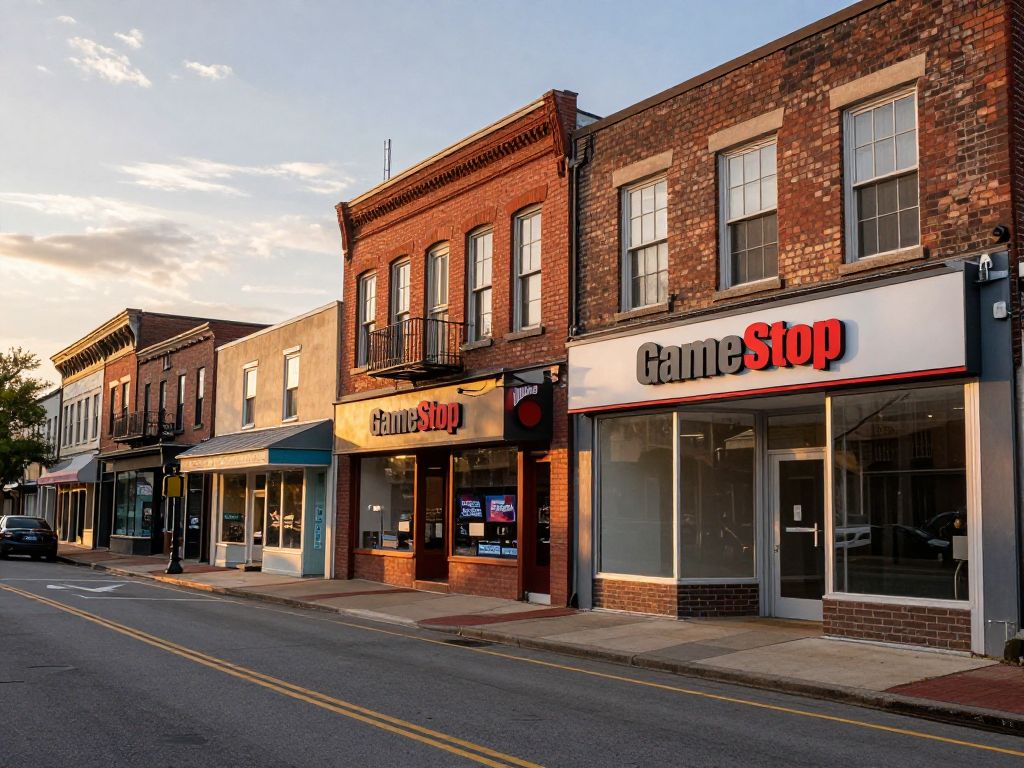
Charleston, SC, January 7, 2026
The recent closure of several GameStop locations in Charleston highlights significant shifts in the retail landscape, driven by changing consumer behaviors toward digital gaming. These changes present both challenges and opportunities for local entrepreneurs. Charleston’s resilient business environment is characterized by innovation and adaptability, enabling the community to rethink retail spaces and foster new business ventures that align with contemporary consumer preferences. As the Charleston economy evolves, there is potential for growth and revitalization amidst the national transformation in retail.
Charleston, SC
Charleston Retail Adapts as GameStop Stores Close
The evolving retail landscape is a constant topic of discussion in Charleston, a city celebrated for its vibrant local commerce and entrepreneurial spirit. Recent announcements regarding the closure of several GameStop locations in the Charleston area underscore broader shifts in consumer behavior and retail strategies nationwide, presenting both challenges and opportunities for the local economy.
While the departure of any established retailer can prompt reflection, Charleston’s dynamic business environment, often buoyed by the determination of its local entrepreneurs and a supportive community, continues to demonstrate remarkable resilience. This shift provides a moment to consider how adaptability and innovative thinking, often fostered by an environment with clear yet limited regulatory hurdles, are crucial for sustained Lowcountry economic growth and the ongoing vitality of Charleston SC business.
Nationwide Retail Transformation and Local Impact
The recent closures of GameStop stores in the Charleston area are reflective of a larger, Nationwide trend in the retail sector, particularly within the video game industry. For several years, GameStop has been navigating a challenging environment marked by the significant shift from physical game sales to digital downloads and online streaming services. This evolution in consumer preference has compelled many brick-and-mortar retailers to re-evaluate their operational models and physical footprints.
In response to these market forces, GameStop announced a strategy in 2019 to close a substantial number of underperforming stores Nationwide, with plans to close hundreds more in subsequent years. These strategic adjustments have now reached the Charleston metropolitan area, leading to the sudden shutdown of several local GameStop outlets. Specific locations impacted within the Charleston County economy have included stores in North Charleston and Summerville, reflecting a broader consolidation effort by the company. The specific details of these closures highlight the ongoing adjustments required for businesses operating in rapidly changing markets.
The Digital Shift and Its Ripple Effects
The primary catalyst for GameStop’s restructuring, and indeed for many traditional retailers, is the pervasive shift towards digital consumption. Modern gaming platforms offer direct digital purchases, often bypassing physical stores entirely. This trend, while convenient for consumers, significantly reduces foot traffic and sales volume for physical retail outlets specializing in packaged goods. This Nationwide phenomenon has had a direct impact on the viability of numerous retail locations, including those in South Carolina.
For Charleston small business owners and property managers, these closures create new opportunities. Vacated retail spaces often invite new concepts, potentially fostering greater diversity in local offerings. This allows space for nimble South Carolina entrepreneurs to innovate, perhaps introducing new entertainment venues, specialized tech stores, or unique experiential retail concepts that better align with contemporary consumer demands and complement the existing vibrant local market.
Fostering New Opportunities in a Dynamic Market
While store closures can feel like a setback, they frequently pave the way for entrepreneurial growth and revitalization. In Charleston, a community rich with innovative spirit, these moments often spark new ventures. The spaces left by larger chains can be reimagined by local business owners, who, unburdened by corporate directives, can tailor their offerings precisely to the unique tastes and needs of the Charleston community. This adaptability is a hallmark of successful Charleston SC business. From independent game stores offering niche products and community events to diverse entertainment options, these transitions underscore the perpetual cycle of creative destruction that strengthens local economies over time.
Charleston’s proactive approach to supporting local enterprises, often through streamlined business processes and a culture that values individual initiative, can play a vital role in ensuring these spaces are quickly reoccupied by promising new ventures. The focus on fostering an environment where South Carolina entrepreneurs can thrive, free from excessive bureaucratic hurdles, is key to turning retail transitions into opportunities for sustained Lowcountry economic growth.
Community Resilience and Economic Outlook
The Charleston area has a proven track record of adapting to economic shifts and nurturing a resilient business ecosystem. The departure of GameStop stores, while marking a change, also highlights the ongoing evolution of consumer landscapes and the need for businesses to innovate. The community’s response often involves rallying behind new local endeavors, appreciating the unique character that independent businesses bring to neighborhoods.
This dynamic ensures that the Charleston County economy remains robust, driven by a blend of established industries and emerging enterprises. By embracing innovation and supporting local ownership, Charleston continues to demonstrate that even in the face of Nationwide retail transformations, its economic future remains bright, fueled by the energy and creativity of its residents and business owners.
Looking Ahead: Supporting Local Innovation
The recent GameStop store closures in the Charleston area serve as a potent reminder of the ever-changing nature of the retail industry. Yet, for a city like Charleston, renowned for its enterprising spirit and supportive community, these shifts often create fresh avenues for growth and innovation. The resilience of Charleston small business owners and the continuous emergence of South Carolina entrepreneurs are vital in shaping a diverse and robust Charleston SC business landscape.
We encourage our readers to continue supporting local businesses, exploring new shops, and engaging in the ongoing dialogue about how Charleston can best foster an environment where innovation and personal achievement lead to sustained Lowcountry economic growth. Your engagement and patronage are crucial in building an even stronger, more vibrant local economy for everyone.
Frequently Asked Questions
- What has led to GameStop store closures in the Charleston area?
- The closures of GameStop stores in the Charleston area reflect a larger, Nationwide trend in the retail sector, particularly within the video game industry, driven by a significant shift from physical game sales to digital downloads and online streaming services.
- Are these closures part of a broader GameStop strategy?
- Yes, in response to market forces, GameStop announced a strategy in 2019 to close a substantial number of underperforming stores Nationwide, with plans to close hundreds more in subsequent years.
- Which specific locations in Charleston County were affected?
- Specific locations impacted within the Charleston County economy have included stores in North Charleston and Summerville, reflecting a broader consolidation effort by the company.
- How does the digital shift impact traditional retailers like GameStop?
- The shift towards digital consumption, where modern gaming platforms offer direct digital purchases, significantly reduces foot traffic and sales volume for physical retail outlets specializing in packaged goods. This Nationwide phenomenon impacts the viability of numerous retail locations.
- What opportunities do these closures present for the Charleston economy?
- Vacated retail spaces often invite new concepts, potentially fostering greater diversity in local offerings and allowing space for nimble South Carolina entrepreneurs to innovate with new entertainment venues, specialized tech stores, or unique experiential retail concepts. This contributes to Lowcountry economic growth.
Key Features of GameStop Store Closures and Local Economic Adaptation
| Feature | Description | Scope |
|---|---|---|
| Primary Cause of Closures | Shift from physical game sales to digital downloads and online streaming services. | Nationwide |
| Company Strategy | GameStop’s plan since 2019 to close a substantial number of underperforming stores. | Nationwide |
| Impacted Area | Charleston metropolitan area, including stores in North Charleston and Summerville. | Local (Charleston County economy) |
| Economic Opportunity | Vacated retail spaces create opportunities for new local concepts and businesses. | Local (Charleston SC business, South Carolina entrepreneurs) |
| Community Response | Community resilience in supporting new local endeavors and adapting to economic shifts. | Local (Lowcountry economic growth) |
Deeper Dive: News & Info About This Topic
HERE Resources
South Carolina Restaurant Week Boosts Local Economy
Savion Lytle Wins $150,000 in South Carolina Lottery
South Carolina Lottery Reveals Latest Winning Numbers
Two Lotto Jackpots Won in South Carolina
Mega Millions Jackpot Reaches $318.2 Million in South Carolina
Sephora and Condé Nast Launch New E-Commerce Platforms
South Carolina Education Lottery Draw Results Announced
Earth Fare Announces Closure of All Locations Nationwide
South Carolina Education Lottery Draw Results Announced
Mega Millions Jackpot Reaches $650 Million in South Carolina