
News Summary
The South Carolina Shrimpers Association has launched a federal lawsuit against 25 Charleston-area restaurants for allegedly mislabeling imported shrimp as local or wild-caught. This legal action follows alarming testing results indicating only 10% of shrimp dishes sampled were accurately represented. The lawsuit aims to protect the reputation of local shrimpers and advocate for clearer seafood labeling. This issue reflects broader concerns about transparency in seafood sourcing, impacting both consumer trust and the sustainability of local shrimping practices.
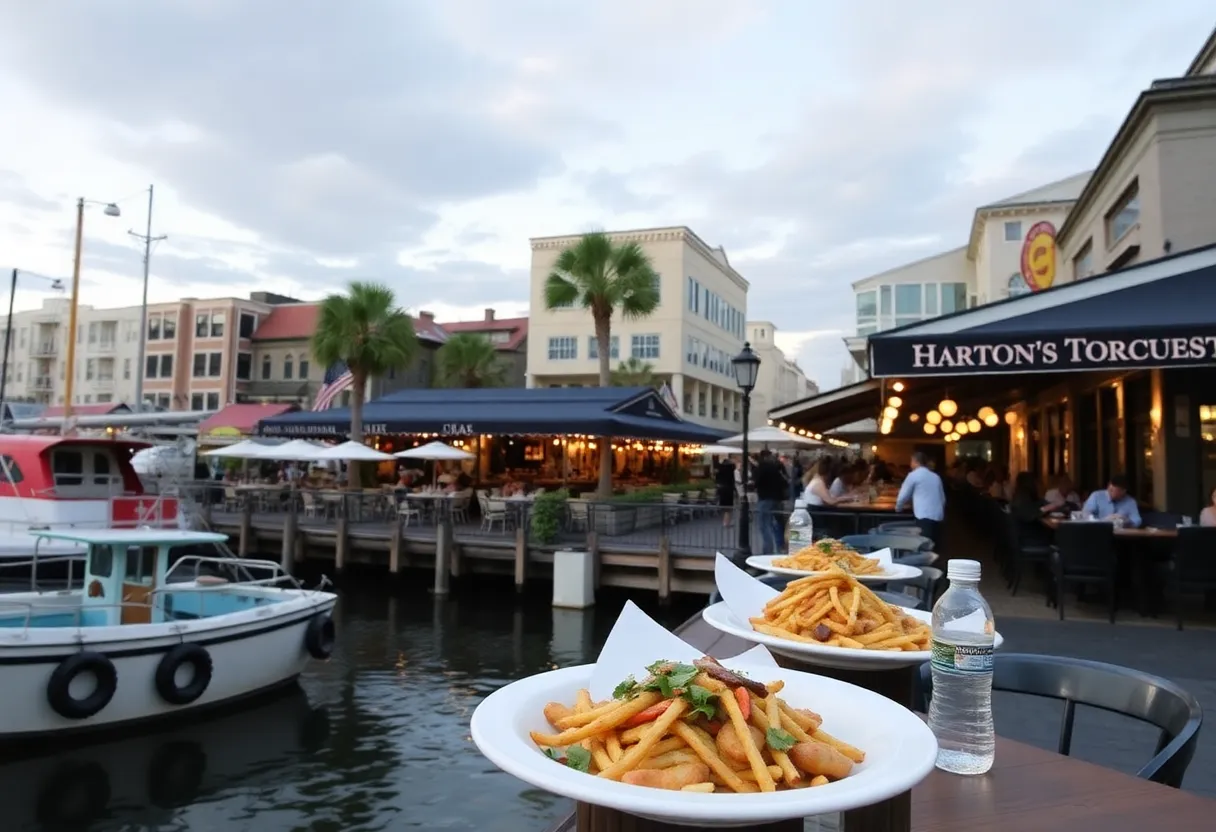
Charleston, South Carolina — The South Carolina Shrimpers Association (SCSA) has filed a federal lawsuit against 25 restaurants in the Charleston area, alleging that these dining establishments have misrepresented imported shrimp as being local or wild-caught. The lawsuit was initiated on June 13, 2025, amid growing concerns about shrimp sourcing practices in the Lowcountry, a situation commonly referred to as shrimp fraud.
The SCSA contends that the mislabeling of shrimp not only harms their reputation but also undermines the integrity of the local shrimping industry. This legal action highlights that several restaurants are advertising their shrimp dishes as “local,” “Carolina-caught,” and “fresh South Carolina shrimp.”
During a press conference on July 2, 2025, representatives from the SCSA expressed their worries about the implications of mislabeling on consumer trust and market dynamics. Recent testing conducted by SeaD Consulting revealed alarming results, indicating that only 10% of shrimp dishes sampled from 44 local restaurants were accurately represented in terms of their origin.
The economic implications of shrimp mislabeling are significant, as local shrimpers argue that they face unfair competition from cheaper imported shrimp. This influx of imported seafood threatens the sustainability of the South Carolina shrimping industry. The SCSA aims to advocate for transparency in seafood labeling and to ensure that customers can trust that they are receiving genuine local shrimp, a proud part of the state’s culinary culture.
The list of restaurants named in the lawsuit comprises popular destinations in the Charleston area, including Shem Creek, downtown Charleston, North Charleston, and Folly Beach. Some establishments, such as Hyman’s Seafood, have acknowledged past errors regarding their shrimp sourcing and have committed to improving their transparency practices. Conversely, others, including Mt. Pleasant Seafood, assert that they do not misrepresent their shrimp origins and are clear about their sourcing methods.
In a broader context, the shrimp mislabeling issue reflects a nationwide trend concerning seafood sourcing transparency. Testing in various regions throughout the United States has uncovered widespread misrepresentation of shrimp origins. This raises questions about labeling practices across the seafood industry and the need for more stringent regulations to protect consumers and local producers alike.
The SCSA’s lawsuit underscores a fundamental difference between wild-caught shrimp and U.S. wild-caught shrimp. Under regulations, only shrimp caught in U.S. waters or by U.S.-flagged vessels can be marketed as U.S. wild-caught. This distinction is crucial for consumers who wish to support local fisheries and choose products that involve sustainable fishing practices.
Local shrimp advocates emphasize the importance of ensuring that customers receive authentic South Carolina shrimp, which embodies the state’s rich seafood heritage. They believe that the ongoing mislabeling issue could potentially erode consumer trust and impact the business practices of the restaurants involved in the lawsuit.
As the legal proceedings unfold, it remains to be seen how this situation will influence the Charleston dining scene and the local shrimping industry. The SCSA hopes to achieve a resolution that promotes transparency and protects the integrity of South Carolina’s beloved shrimp, ultimately ensuring that diners receive the quality and authenticity they expect from their meals.
Deeper Dive: News & Info About This Topic
HERE Resources
South Carolina Shrimpers Association Sues Local Restaurants
SCSA Sues Restaurants Over Shrimp Sourcing Mislabeling
Charleston’s Culinary Scene Transforms with New Openings
Seafood Fraud Lawsuit Against Charleston Restaurants: Protecting Brand Integrity
South Carolina Shrimpers Association Sues Charleston Restaurants
Shrimpers Association Sues Restaurants for Mislabeling Shrimp
Oregon Lawyers Challenge Trump’s Tariff Policies in Portland
Additional Resources
- Post and Courier
- Live 5 News
- ABC News 4
- USA Today
- National Fisherman
- Wikipedia: Shrimp fraud
- Google Search: shrimp sourcing transparency
- Google Scholar: shrimp mislabeling
- Encyclopedia Britannica: shrimp
- Google News: shrimp fraud


Author: STAFF HERE CHARLESTON
The CHARLESTON STAFF WRITER represents the experienced team at HEREcharleston.com, your go-to source for actionable local news and information in Charleston, Charleston County, and beyond. Specializing in "news you can use," we cover essential topics like product reviews for personal and business needs, local business directories, politics, real estate trends, neighborhood insights, and state news affecting the area—with deep expertise drawn from years of dedicated reporting and strong community input, including local press releases and business updates. We deliver top reporting on high-value events such as the Spoleto Festival USA, Charleston Wine + Food Festival, and the MOJA Festival. Our coverage extends to key organizations like the Charleston Metro Chamber of Commerce and the Charleston Museum, plus leading businesses in tourism and maritime industries that power the local economy such as South Carolina Ports Authority and the Charleston Visitor Center. As part of the broader HERE network, including HEREaiken.com, HEREbeaufort.com, HEREchapin.com, HEREcharleston.com, HEREclinton.com, HEREcolumbia.com, HEREgeorgetown.com, HEREgreenwood.com, HEREgreenville.com, HEREhiltonhead.com, HEREirmo.com, HEREmyrtlebeach.com, HEREnewberry.com, HERErockhill.com, HEREspartanburg.com, HEREaustin.com, HEREcollegestation.com, HEREdallas.com, HEREhouston.com, and HEREsanantonio.com, we provide comprehensive, credible insights into South Carolina's dynamic landscape.