
Charleston SC, January 28, 2026
The Nathaniel Ingraham House auction in Charleston showcased significant shifts in the luxury real estate market, concluding with a bid well below its original listing. With increasing inventory and changing buyer dynamics, sellers must adjust their expectations. This sale highlights the interplay between private investment and historic property values. The resilient market continues to attract discerning investors who prioritize sustainability over speculation, underscoring the importance of strategic pricing and historic preservation incentives in Charleston.
Charleston, SC
Historic Charleston Home Auction: A Market Rebalancing
Charleston’s esteemed luxury real estate market recently saw a significant event, as a historic property known as the Nathaniel Ingraham House on the High Battery concluded its auction with a final bid millions below its initial asking price. This outcome provides a compelling snapshot of evolving market dynamics, highlighting the interplay of private investment, strategic pricing, and the enduring value of historic properties in the Lowcountry.
The sale of such a distinguished residence through auction offers valuable insights into the current landscape of high-end real estate in Charleston. While the city’s market has consistently demonstrated resilience, individual transactions, particularly those involving multi-million dollar properties, underscore the importance of aligning seller expectations with prevailing buyer sentiment. This event reflects a marketplace where discerning investors and homeowners are making calculated decisions, emphasizing long-term value and the unique allure of Charleston’s rich architectural heritage.
The Nathaniel Ingraham House: A Landmark Sale
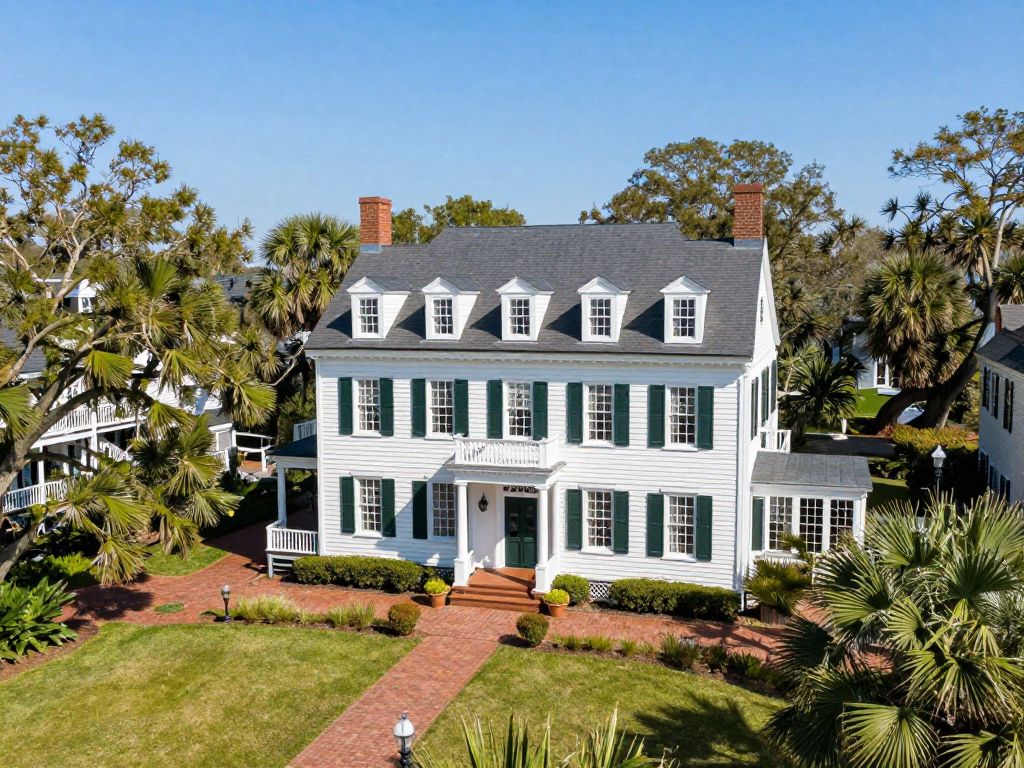
The Nathaniel Ingraham House, a prominent historic residence located on Charleston’s High Battery, was recently sold through an auction conducted by Sotheby’s New York. The property, initially listed for $17,900,000, received a high bid of $6,250,000, with the auction concluding on January 27. This substantial difference between the original asking price and the final auction bid reflects a notable adjustment in the luxury segment of the Charleston real estate market.
Evolving Dynamics in Charleston’s Luxury Real Estate
The luxury real estate market in Charleston has experienced shifts, moving from a fiercely competitive seller’s market to one where buyers possess increased leverage. Inventory levels have seen an uptick, with overall listings increasing by 36% year-over-year, including a rise of over 30% in single-family homes and nearly 25% in condominiums. This expanded selection allows buyers more time for due diligence, negotiations, and inspections, with average days on market increasing to 61 days. More than one-third of sellers are now reducing their asking prices, a significant change from previous years characterized by frequent bidding wars. Despite these adjustments, the median home price in Charleston continues to show a healthy annual increase of 6.5%.
Preservation and Economic Growth: A Charleston Tradition
Charleston’s commitment to historic preservation is not merely aesthetic but also a cornerstone of its economic vitality. Historic preservation activities have a positive economic impact, supporting jobs in construction and architectural services. Properties situated within designated historic districts generally command higher values, appreciate faster, and retain their value more effectively than those outside such districts. This enduring appeal of historic properties contributes significantly to Charleston’s economy, attracting residents and visitors who value the city’s unique charm and character. The city’s real estate market has consistently demonstrated resilience against broader economic fluctuations, partly due to its diverse economy and strong demand for housing.
Private Investment and Market Adjustments
The sale of the Nathaniel Ingraham House through auction highlights the role of private investment in the historic property market. While high initial asking prices can reflect the unique value of such homes, the auction format often establishes a market-driven value. Industry experts suggest that when homes linger on the market, it is often due to unrealistic pricing rather than a lack of demand. The current trend indicates that luxury buyers in Charleston are increasingly prioritizing lifestyle and long-term value rather than purely speculative gains. This fosters a more balanced and sustainable market, encouraging sellers to price properties strategically to meet current buyer expectations.
Limited Regulation and Historic Preservation Incentives
South Carolina offers various incentives that can support the preservation of historic properties, benefiting both homeowners and the broader community. The state provides tax credits for historic rehabilitation, including a homeowner tax credit that allows individuals to subtract 25% of eligible renovation costs from their state income taxes. Additionally, the Bailey Bill, a state law, enables owners of residential properties within official local historic districts to receive property tax reductions, freezing the tax base at its pre-rehabilitated condition for 20 years. These limited regulatory frameworks and tax incentives play a crucial role in encouraging private stewardship of historic assets, stimulating investment, and ultimately contributing to the economic and cultural richness of Charleston and the state. Such measures help make the significant undertaking of historic restoration more financially viable for individuals and families, strengthening the fabric of historic neighborhoods.
The recent auction of a prominent historic home in Charleston, while concluding at a revised price point, signals a maturation of the luxury real estate market. It underscores the ongoing significance of strategic pricing, the resilience of Charleston’s property values, and the vital role of private investment supported by thoughtful preservation incentives. As Charleston continues to experience economic growth and attract new residents, understanding these market dynamics becomes essential for anyone engaged in the future of our cherished Lowcountry economic growth.
FAQ Section
What was the original asking price for the Nathaniel Ingraham House?
The Nathaniel Ingraham House was originally listed for $17,900,000.
What was the final high bid for the historic Charleston home at auction?
The final high bid for the Nathaniel Ingraham House at auction was $6,250,000.
When did the auction for the Nathaniel Ingraham House conclude?
The auction for the Nathaniel Ingraham House concluded on January 27.
Which auction house conducted the sale of the Nathaniel Ingraham House?
The sale of the Nathaniel Ingraham House was conducted by Sotheby’s New York.
What are some benefits of historic preservation in South Carolina?
Historic preservation activities in South Carolina can increase property values, create faster appreciation, and help properties retain their value. The state also offers tax incentives for historic rehabilitation, including a homeowner tax credit and property tax reductions through the Bailey Bill.
How has Charleston’s luxury real estate market changed recently?
Charleston’s luxury real estate market has seen an increase in inventory and a shift towards more buyer leverage. More than one-third of sellers are now reducing their asking prices, and homes are taking longer to sell, with average days on market increasing to 61 days.
Key Features of The Nathaniel Ingraham House Auction & Charleston Real Estate Trends
| Property Name | The Nathaniel Ingraham House |
| Location | Charleston’s High Battery |
| Original Asking Price | $17,900,000 |
| Auction High Bid | $6,250,000 |
| Auction House | Sotheby’s New York |
| Auction Date | January 27 |
| Charleston Luxury Market Trend | Increased inventory, more buyer leverage, more sellers reducing asking prices |
| Historic Preservation Incentives (State-level) | South Carolina offers a homeowner tax credit (25% of rehabilitation costs) and the Bailey Bill (20-year property tax base freeze for residential historic properties) |
Deeper Dive: News & Info About This Topic
HERE Resources
Lowcountry Flavor Fuels National Market Expansion
North Charleston Police Arrest Two After High-Speed Chase
Charleston’s Logistics Boom: New Center Fuels Economic Engine
Fishers and McCordsville, Indiana – Retail Centers See Major Investment
Brooks Brothers Strengthens Presence on Charleston’s King Street
Charleston Marketing Firm Supports Local Startups
West Columbia Welcomes New Entertainment Hub
Columbia, SC: Renting vs. Owning – Analyzing Housing Costs
Real Estate’s Shifting Sands: Wealth Gaps Revealed
New York Firm’s $5.8M Investment Signals Eastern NC Growth