
Charleston, South Carolina, August 31, 2025
Charleston’s Commitment to Practical Legal Training
Charleston sits at the center of a deliberate effort to reshape how new lawyers move from academic study to courtroom practice and client service. The Charleston School of Law has built a curriculum and a network of programs that steer students beyond doctrinal coursework into settings where legal work is performed, negotiated, and defended. That emphasis on applied learning prepares graduates to enter practice with habit patterns and competencies that typical classroom exercises alone rarely instill.
Externship Program: Bridging Classroom and Courtroom
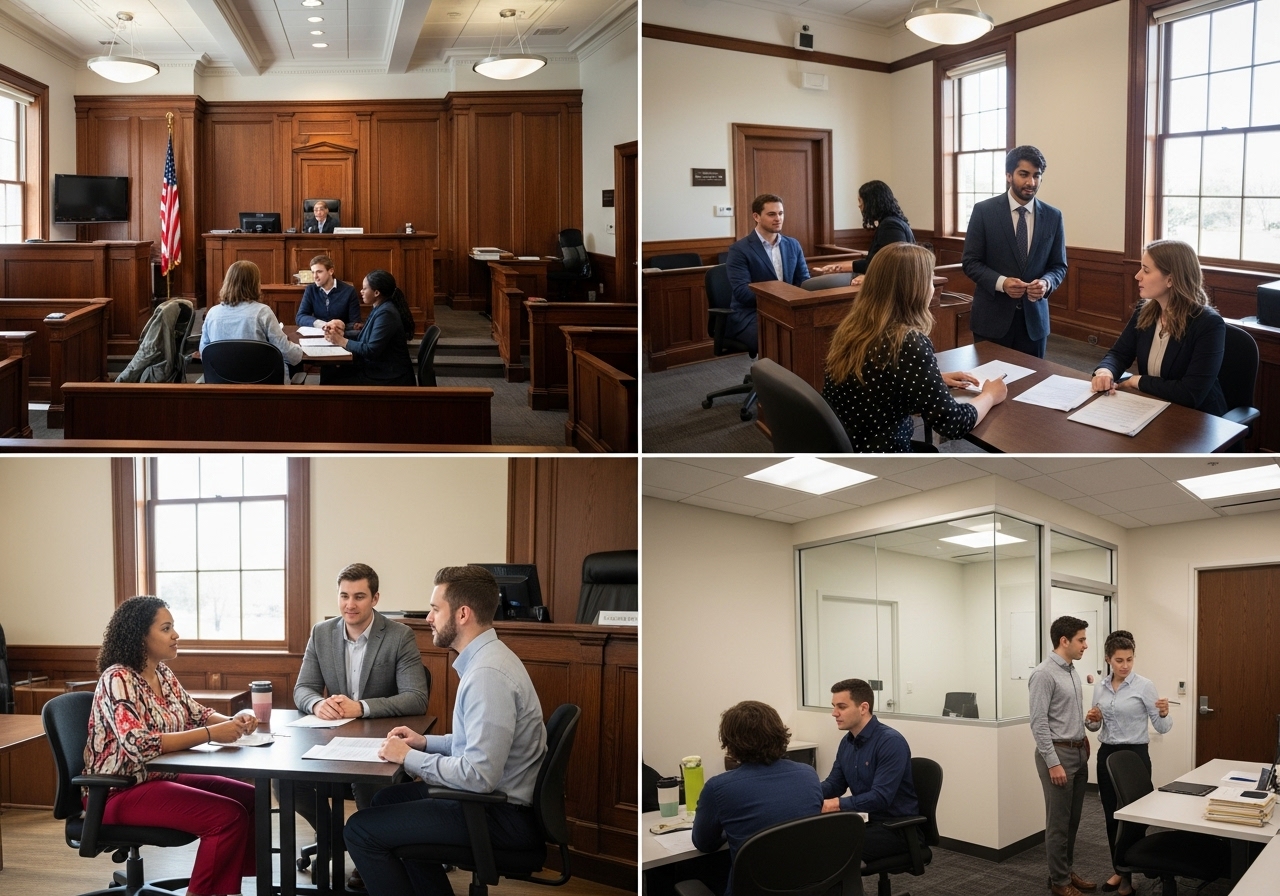
The externship program functions as a formal bridge between law school and legal employment. Placement sites span public interest organizations, corporate legal departments, state and federal judicial chambers, and environmental and administrative agencies. Participation allows students to observe and perform tasks that mirror those of junior attorneys, creating a context in which theoretical instruction acquires immediate, practical meaning.
Structure and Requirements
To take part in externships, students must meet academic prerequisites and remain in good standing. Specifically, applicants need to have completed a minimum of 27 credit hours before beginning their placement. Externships may carry academic credit and are scheduled across fall, spring, and summer terms to accommodate different pacing and life circumstances. Supervision is provided by licensed attorneys at placement sites, and students receive academic oversight from faculty coordinators who help link fieldwork with learning objectives.
Skills Developed Through Externships
Externships sharpen a range of competencies that employers seek: client interviewing, drafting pleadings and transactional documents, courtroom etiquette, negotiation, and persuasive oral presentation. Because assignments come from actual cases and institutional needs, students must navigate real deadlines and ethical constraints, which reinforces professional responsibility and time management alongside substantive skill building.
Clinical Programs: Direct Client Representation
Clinics at the law school place students in representational roles under attorney supervision, allowing them to handle client matters from intake through resolution. These clinics focus on community needs while giving students responsibility for case development and courtroom presence.
Primary Clinic Offerings
– The family law clinic partners with community legal services to assist low-income households with matters such as separation agreements, custody arrangements, and child support processes. Student duties typically include client interviews, drafting documents, and preparing cases for hearings.
– A housing-focused clinic concentrates on tenant rights and eviction prevention. Students engage in outreach, legal assessment of housing matters, and collaborative drafting with supervising counsel.
– A domestic violence clinic operates in conjunction with legal aid providers to support victims through protective order proceedings and safety-planning legal steps. Representation in hearings is conducted with direct supervision from licensed attorneys.
– The criminal prosecution clinic provides experience on the prosecution side, involving witness interviews, motion practice, plea negotiation support, and courtroom advocacy.
Each clinic is calibrated to let students experience the rhythm of casework while ensuring clients receive competent legal assistance. The mix of courtroom exposure, client counseling, and document drafting cultivates a rounded skill set.
Pro Bono Service as a Learning and Civic Imperative
Service to the community is woven into the school’s mission. Every student must complete a minimum of 50 hours of pro bono legal service before graduating. This requirement is not merely administrative; it is designed to foster a habit of public service and to expose students to client populations and legal problems they might not otherwise encounter in classroom simulations.
Since the school opened, students have collectively logged a substantial body of pro bono hours, contributing tens of thousands of hours annually and surpassing half a million cumulative service hours over time. That sustained engagement demonstrates how experiential education and community need can be mutually reinforcing.
Centers That Deepen Specialized Skills
To provide concentrated training in specific practice tracks, the institution operates centers that organize curricula, workshops, and competitions.
Trial Advocacy
The Center for Trial Advocacy, launched recently, focuses on courtroom skills, evidence theory put into practice, witness preparation, voir dire, and the tactical decisions attorneys face at trial. It supports students and alumni through clinics, mock trial competitions, continuing education, and partnerships with local judges and experienced litigators.
Business and Transactional Law
The Center for Business and Transactional Law delivers transactional training through document drafting boot camps, negotiation simulations, and access to contemporary research databases and form repositories. The center simulates the workflow of corporate legal teams, offering students experience with transactional structuring, due diligence exercises, and contract negotiation.
These centers create concentrated environments where students practice specialized skills and receive mentorship from practitioners with current experience in those fields.
Embedding Practice Across the Curriculum
Practical training is not confined to extracurricular offerings; it permeates scheduled courses. Advocacy classes simulate appellate or trial procedures, requiring students to write briefs and present arguments before panels, while transactional courses often culminate in drafting projects and client memos. Externship and clinic credits are integrated with supervised reflection assignments that require students to link lessons from the field with doctrinal frameworks.
This curricular design aims to eliminate a sharp divide between “learning” and “doing,” making skill acquisition an explicit curricular outcome rather than an incidental benefit.
Real-World Outcomes and Student Experiences
Students who move through this hybrid model report accelerated readiness for practice. Many describe externships and clinical work as pivotal for understanding office culture, the cadence of litigation and negotiation, and the unpredictability of client-facing work. Military veterans and career-changers, in particular, often find that placements translate leadership and project-management experience into legal competencies. Small anecdotes collected from alumni indicate that hands-on placements frequently lead to job offers or influential professional connections.
Employers in the region consistently note that graduates who have significant clinic and externship experience require less initial training and adapt more quickly to caseload expectations. Hiring patterns in local firms and public agencies reflect a preference for candidates who can show documented client work, courtroom appearances, or transactional drafting samples produced under supervision.
Program Comparison
| Program Type | Primary Focus | Typical Student Role | Credit/Timing |
|---|---|---|---|
| Externship | Placement-based field work (courts, corporations, agencies) | Observer/participant in real cases, supervised by host attorney | Academic credit available; fall/spring/summer |
| Clinic | Direct client representation and case management | Primary advocate under attorney supervision | Credit-bearing semester courses |
| Center Programs | Skill workshops, competitions, specialized training | Workshop participant, competitor, or trainee | Short courses, boot camps, ongoing activities |
| Pro Bono Requirement | Community legal services and volunteer projects | Volunteer attorney work under supervision | 50 hours required before graduation; flexible timing |
Faculty and Community Integration
A distinguishing feature is the partnership between faculty and local practitioners. Faculty members often coordinate placements and supervise clinical cases, while judges, public defenders, prosecutors, and corporate counsel contribute as adjunct instructors, mentors, and site supervisors. This networked approach ensures that experiential components remain current with regional practice trends and that student learning is continually grounded in contemporary legal problems.
Measuring Success
Success is gauged through a combination of student performance assessments, employer feedback, and placement outcomes. Assessments combine reflective portfolios, supervisor evaluations, and graded simulations. Employers report improved readiness among students who complete multiple experiential components, and a notable percentage of graduates find early-career placements tied directly to their externship or clinic supervisors.
Final Perspective
Practical legal training at Charleston reflects a conscious alignment of mission, curriculum, and community service. By requiring pro bono work, offering structured externships, running clinics that represent real clients, and creating centers for focused skills, the school shapes lawyers who are technically capable and experienced in the habits of practice. For students aiming to shorten the learning curve from law student to practicing attorney, that combination of exposure, responsibility, and supervision creates a meaningful advantage.
Key Takeaways
- The Charleston School of Law integrates hands-on learning through externships, clinics, and specialized centers.
- Students must complete a minimum of 50 pro bono hours and are eligible for externships after 27 credit hours.
- Clinical placements, center activities, and externships collectively accelerate practical readiness and enhance employability.
FAQ
What is required to qualify for an externship?
Students are eligible for externship placements after completing the school’s specified credit threshold and maintaining satisfactory academic standing. Academic coordinators review applications and coordinate placements with host organizations that provide supervision and substantive assignments.
Do externships and clinics provide academic credit?
Yes. Many externships and all clinic courses are credit-bearing. The number of credits varies by placement and the amount of supervised work completed during the semester or summer session.
How is pro bono service tracked and verified?
Pro bono hours are logged through an institutional reporting system, and supervising attorneys or program coordinators confirm service. Students must meet the minimum hour requirement prior to graduation and are encouraged to begin accumulating hours early in their studies.
Can students receive courtroom experience through clinics?
Clinics are designed to provide courtroom exposure where appropriate. Under attorney supervision, students may appear in hearings, assist with motions, and participate in trial preparation when the case circumstances and court rules permit student involvement.
What specialized training do the centers offer?
Centers focus on concentrated skill development: a trial advocacy center offers simulation-based trial training and mentorship, while a transactional center provides drafting workshops, negotiation exercises, and access to transactional resources. Both host events that connect students with practicing attorneys.

Author: STAFF HERE CHARLESTON
The CHARLESTON STAFF WRITER represents the experienced team at HEREcharleston.com, your go-to source for actionable local news and information in Charleston, Charleston County, and beyond. Specializing in "news you can use," we cover essential topics like product reviews for personal and business needs, local business directories, politics, real estate trends, neighborhood insights, and state news affecting the area—with deep expertise drawn from years of dedicated reporting and strong community input, including local press releases and business updates. We deliver top reporting on high-value events such as the Spoleto Festival USA, Charleston Wine + Food Festival, and the MOJA Festival. Our coverage extends to key organizations like the Charleston Metro Chamber of Commerce and the Charleston Museum, plus leading businesses in tourism and maritime industries that power the local economy such as South Carolina Ports Authority and the Charleston Visitor Center. As part of the broader HERE network, including HEREaiken.com, HEREbeaufort.com, HEREchapin.com, HEREcharleston.com, HEREclinton.com, HEREcolumbia.com, HEREgeorgetown.com, HEREgreenwood.com, HEREgreenville.com, HEREhiltonhead.com, HEREirmo.com, HEREmyrtlebeach.com, HEREnewberry.com, HERErockhill.com, HEREspartanburg.com, HEREaustin.com, HEREcollegestation.com, HEREdallas.com, HEREhouston.com, and HEREsanantonio.com, we provide comprehensive, credible insights into South Carolina's dynamic landscape.