

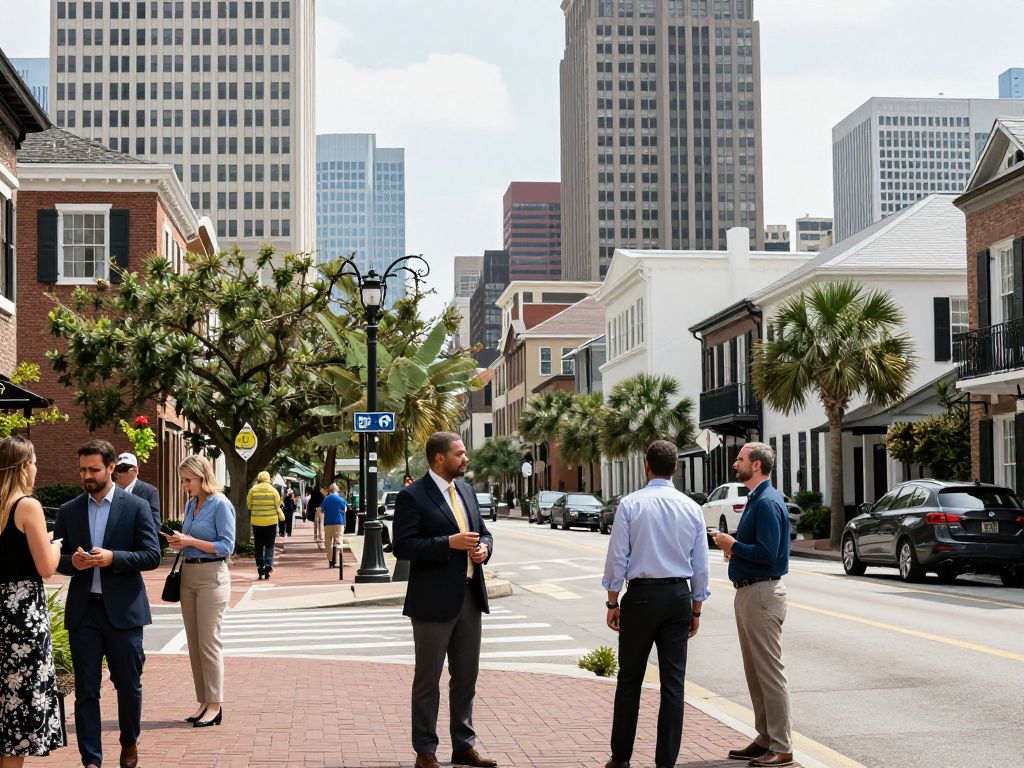
Charleston SC, April 1, 2026
Charleston is emerging as a key hub for business travelers, as mid-sized cities gain significance in the corporate travel market. This trend reflects a shift towards destinations that offer robust infrastructure, lower costs, and a high quality of life. Charleston’s unique blend of cultural richness and supportive environment for entrepreneurs highlights the city’s appeal for businesses looking to balance efficiency with an authentic experience. With a diverse economy and strategic location, Charleston stands ready to continue its growth as a vital player in the post-pandemic business landscape.
Charleston: Lowcountry Leads as Mid-Sized Cities Drive Business Travel Surge
Charleston, a beacon of historical charm and modern dynamism, is increasingly recognized as a vital hub for business travelers, reflecting a broader nationwide trend where mid-sized cities are capturing a significant share of the corporate travel market. This shift underscores the resilience and innovative spirit of local economies and the advantages offered by communities that foster entrepreneurial growth and a balanced lifestyle. The post-pandemic era has seen a re-evaluation of traditional business travel patterns, with many companies and professionals seeking destinations that combine robust infrastructure with a more accessible and authentic experience.
This evolving landscape presents a significant opportunity for the Charleston SC business community, as the city’s unique blend of cultural richness, burgeoning industries, and supportive environment for South Carolina entrepreneurs makes it an attractive choice. As businesses nationwide increasingly prioritize efficiency, value, and a high quality of life for their traveling teams, Charleston stands out, demonstrating how strategic development and an embrace of innovation can propel a city onto the national stage.
The Ascent of Mid-Sized Cities in Business Travel
For years, major metropolitan areas like New York, Chicago, and Los Angeles dominated the business travel scene. However, there has been a notable shift, with mid-sized cities such as Charleston, SC, Richmond, VA, and Boise, ID, emerging as viable hubs for business travelers. This trend is driven by several factors, including the desire for reduced congestion, lower costs, and less time lost navigating larger metros. Mid-sized cities, generally defined as having populations between 100,000 and 1,000,000 residents, offer a compelling balance: they provide the amenities and meeting infrastructure companies require without the overwhelming challenges often associated with larger urban centers.
The post-deregulation period in the airline industry was characterized by the creation of new carriers and new routes that connected cities, leading to a drop in available fares. The global market for medium- and heavy-duty commercial vehicles is also poised for a complete transformation, with travel along freight hubs and corridors playing a significant role. Businesses find advantages in mid-sized cities due to lower operating costs and a skilled workforce that is easier to attract and retain. These cities also foster stronger community ties and more manageable resource management. Business travel has experienced a robust recovery despite earlier predictions that virtual meetings would permanently replace face-to-face interactions. Worldwide business travel spending is projected to surpass pre-pandemic levels, reaching US$1.48 trillion in 2024, and is on track to exceed pre-pandemic levels, completing the post-pandemic comeback faster than expected.
Charleston’s Competitive Edge in the New Economy
Charleston’s growing appeal as a business travel destination is no accident. The region offers compelling attributes, including improved accessibility, a diverse industrial base, and a high quality of life. The Greater Charleston Area is more convenient to reach than ever before, thanks to continued growth in air service at Charleston International Airport, which features 11 carriers offering nonstop flights to over 50 destinations. This connectivity is crucial for a modern business hub, enabling efficient travel for meetings, conferences, and corporate events. The city also benefits from its strategic location and logistical advantages, including the Port of Charleston, which is one of the top 10 container ports in the United States and the deepest seaport in the Southern Atlantic Ocean. This infrastructure supports not only logistics but also attracts modern manufacturing and industrial growth in the Southeast region.
The city’s economy has diversified significantly over the past decade, moving away from heavy reliance on military spending to a robust mix of sectors. Today, Charleston County economy thrives with prominent industries such as aerospace, automotive, information technology (IT), life sciences, and logistics. Boeing, for example, maintains one of its three worldwide wide-body jet assembly plants in the area, employing over 7,000 people. The region is also globally recognized as the Southeast’s “Silicon Harbor,” home to over 1,600 tech companies that generate an economic output exceeding $51.7 billion for the state’s tech cluster. This dynamic environment is powered by a skilled workforce and strong education partnerships aligned with industry needs.
Fostering Innovation and Small-Business Resilience
The strength of Charleston’s economic fabric is deeply rooted in its vibrant entrepreneurial ecosystem and the resilience of its Charleston small business community. The city’s business community, government, and local organizations actively recognize and support the importance of fostering innovation. Entrepreneurs in Charleston benefit from a supportive ecosystem that provides access to capital, a talented workforce, and a high quality of life. Organizations such as the Harbor Entrepreneur Center and the Charleston Digital Corridor provide mentorship, access to funding, co-working spaces, and collaborative hubs that encourage idea-sharing and the cross-pollination of innovative concepts.
The City of Charleston is committed to supporting the connection of small businesses to vital resources, recognizing their crucial role in community advancement. Initiatives like the SBE Spotlight Program acknowledge local entrepreneurs who are vital to the city’s economic growth and reward them for their achievements. This focus on nurturing local talent and enterprise has led to success stories across various industries, from culinary ventures like Lillie’s of Charleston to legal tech startups such as LawLens and wellness brands like Stick Fix. The city’s efforts to create a vibrant network of resources demonstrate a clear understanding that a healthy entrepreneurial ecosystem facilitates access to information, resources, and social networks critical to the success of emerging businesses.
The Role of Prudent Regulation in Economic Vitality
A key factor in fostering a thriving business environment, particularly for Lowcountry economic growth, is a thoughtful approach to regulation. Excessive or poorly structured regulations can significantly hinder economic activity, impacting job creation and discouraging new business formation. Studies indicate that federal regulations can decrease new hiring and that industries with more regulations experience fewer new entrants into the market each year. Conversely, statistical evidence suggests that reducing regulations is associated with positive and significant gains in economic growth nationwide. Freezing regulations (preventing future increases) for 10 years increases forecasted GDP by about 1.8 percent nationwide and reduces the price level by about 5.7 percent, in turn reducing inflation by an average of 0.6 percent per year.
Local governments that streamline their regulations can create a friendlier environment for aspiring entrepreneurs, generating economic growth in both the short and long run. South Carolina has been recognized for its easy-to-navigate regulations, ranking third overall among the Top States for Doing Business in a 2022 report. In Charleston, businesses also benefit from county-sponsored tax savings in addition to state tax incentives. This supportive regulatory framework, combined with accessible funding and a skilled workforce, contributes to a robust climate for private investment and business expansion.
Community Engagement and Future Outlook
Community involvement plays a critical role in Charleston’s economic development. The collaborative culture among startups, established firms, research institutions, and public partners helps accelerate growth and commercialization. Organizations like the Charleston Regional Development Alliance (CRDA) work to attract new businesses and support existing ones, contributing to the region’s strong economic performance that often outperforms the state and the nation. The city’s commitment to continuous improvement, including initiatives to expand support for small business owners and entrepreneurs, positions it well for future growth.
As business travel continues to evolve, with a focus on events, conferences, and “bleisure” (blending leisure into business trips), Charleston’s attractive culture, climate, and quality of life make it an appealing destination for professionals visiting for meetings or considering relocation. This combination of strategic infrastructure, a diverse economy, a vibrant entrepreneurial spirit, and a proactive approach to economic policy ensures that Charleston remains a competitive and desirable place to do business. The continued investment in a supportive ecosystem for Charleston SC business is poised to yield further success and reinforce the Lowcountry’s reputation as a dynamic center for innovation and opportunity.
Charleston is not merely observing the trend of mid-sized cities rising as business hubs; it is actively shaping it. By embracing innovation, nurturing small businesses, and maintaining a business-friendly environment, the city offers a compelling blueprint for sustainable economic prosperity. We encourage all residents to explore and support the innovative businesses that contribute to our thriving community and to stay engaged with the ongoing economic advancements shaping Charleston’s bright future.
Frequently Asked Questions
What is driving the shift towards mid-sized cities as business travel hubs?
The shift towards mid-sized cities as business travel hubs is driven by factors such as the desire for reduced congestion, lower costs, and less time navigating larger metropolitan areas. These cities offer a balance of amenities and meeting infrastructure without the typical challenges of larger urban centers.
How does Charleston International Airport contribute to the city’s appeal as a business hub?
Charleston International Airport significantly contributes to the city’s appeal as a business hub by offering continued growth in air service, with 11 carriers providing nonstop flights to over 50 destinations. This enhanced connectivity makes the Greater Charleston Area more convenient to reach for business travelers.
What are some key industries fueling Charleston’s economic growth?
Key industries fueling Charleston’s economic growth include aerospace, automotive, information technology (IT), life sciences, and logistics. The region is home to major players like Boeing in aerospace and over 1,600 tech companies, contributing significantly to the state’s tech cluster.
What role do regulations play in fostering economic growth in mid-sized cities like Charleston?
Thoughtful and streamlined regulations play a significant role in fostering economic growth. Excessive regulations can hinder job creation and discourage new business formation. Conversely, reducing regulations nationwide is associated with positive and significant gains in economic growth, and local governments that streamline regulations can create a friendlier environment for entrepreneurs. South Carolina has been recognized for its easy-to-navigate regulations, and Charleston offers county-sponsored tax savings.
What is the “Silicon Harbor” and its impact on Charleston?
The “Silicon Harbor” refers to Charleston County’s global recognition as a dynamic ecosystem for technology companies. It is home to over 1,600 tech companies, generating an economic output exceeding $51.7 billion for the state’s tech cluster. This environment supports startups and established firms across software, health tech, data, and emerging technologies.
Key Features of Mid-Sized Cities as Business Hubs
| Feature | Description | Relevance (Nationwide / State-level / Charleston Specific) |
|---|---|---|
| Reduced Congestion | Less traffic and easier navigation compared to larger metropolitan areas. | Nationwide |
| Lower Costs | More affordable housing, living, and operating costs for businesses. | Nationwide |
| Quality of Life | Better work-life balance, shorter commutes, and access to natural amenities. | Nationwide |
| Skilled Workforce | Easier attraction and retention of skilled talent for businesses. | Nationwide |
| Strong Infrastructure | Sufficient amenities and meeting facilities for corporate needs. | Nationwide |
| Entrepreneurial Ecosystems | Supportive networks, incubators, and access to capital for startups. | Charleston Specific |
| Diverse Industries | A mix of traditional and emerging sectors, reducing economic reliance on one area. | Charleston Specific |
| Enhanced Connectivity | Growing air service and logistical infrastructure. | Charleston Specific |
| Streamlined Regulation | Business-friendly regulatory environments that encourage growth. | Nationwide (general principle), State-level (SC ranking), Charleston Specific (local incentives) |
Deeper Dive: News & Info About This Topic
HERE Resources
Charleston Thrives with Community Spirit This Weekend