
Charleston, South Carolina, April 1, 2026
A driver faces charges for failure to yield the right-of-way after a deadly collision that resulted in the death of 78-year-old pedestrian Annelise Simmons in downtown Charleston. The incident has sparked urgent discussions about pedestrian safety in the area. Local advocates are calling for improved infrastructure to protect vulnerable road users as the investigation by the Charleston Police Department continues.
Charleston, South Carolina
A driver has been charged with failure to yield the right-of-way following a fatal automobile-versus-pedestrian crash that resulted in the death of 78-year-old Annelise Simmons in downtown Charleston. The incident, which occurred last week, has prompted renewed discussions regarding pedestrian safety in the city’s bustling intersections. The charges were announced on Tuesday, March 31, 2026, by local authorities, following an investigation into the collision.
Fatal Pedestrian Crash Leads to Charges
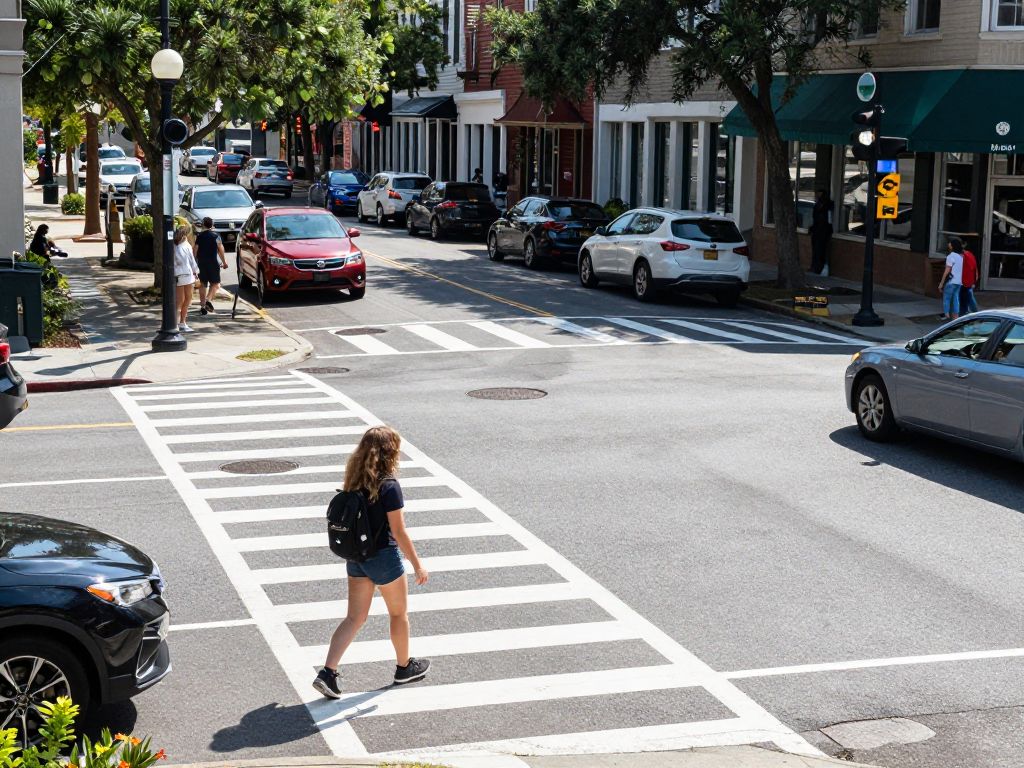
The collision took place on Friday, March 27, 2026, around 8:30 a.m., at the intersection of King Street and Broad Street, a location known for its significant foot traffic from both residents and visitors. Annelise Simmons, a Charleston resident, was reportedly crossing Broad Street at King Street within a designated crosswalk when she was struck by a pickup truck. She was transported to the Medical University of South Carolina, where she sadly succumbed to her injuries shortly after 9 a.m. the same day.
Police investigators confirmed that the driver of the pickup truck was charged with failure to yield the right-of-way to a pedestrian on a green light. The name of the driver has not yet been publicly released. The Charleston Police Department’s Major Accident Investigation Team (MAIT) has been actively investigating the incident, which has drawn considerable attention to pedestrian safety issues in the area.
Community Calls for Enhanced Safety Measures
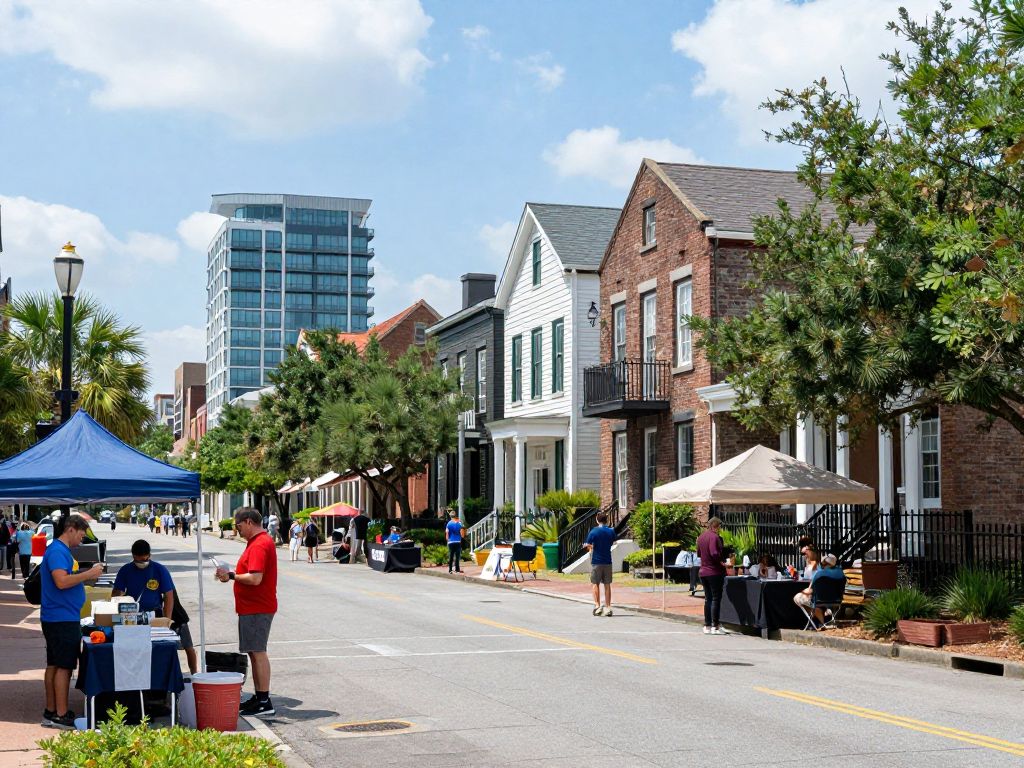
The tragic death of Annelise Simmons has reignited calls from community advocates for the city to prioritize and implement improved measures aimed at protecting vulnerable road users. Downtown Charleston, with its historic charm, also presents challenges due to its narrow streets and high volume of both vehicular and pedestrian traffic. The intersection where the fatal accident occurred is particularly noted for heavy foot traffic, raising concerns among community members about the adequacy of existing safety infrastructure and enforcement.
Advocates are pushing for various initiatives, which may include better-marked crosswalks, additional pedestrian-specific signals, stricter enforcement of traffic laws pertaining to yielding to pedestrians, and public awareness campaigns. The goal is to create a safer environment for everyone navigating the city’s roadways, ensuring that such tragic incidents are prevented in the future.
Understanding South Carolina’s Pedestrian Laws
Under South Carolina law, drivers are mandated to yield the right-of-way to pedestrians within any marked crosswalk or within any unmarked crosswalk at an intersection. This legal obligation requires drivers to slow down or stop as necessary to allow pedestrians to cross safely. Specifically, South Carolina Code Section 56-5-3130 outlines these fundamental pedestrian right-of-way statutes. Failure to adhere to these laws can result in traffic violations and liability for any injuries sustained in a collision.
Conversely, pedestrians also have responsibilities. South Carolina Code Section 56-5-3130(b) states that a pedestrian should not suddenly leave a curb or other place of safety and walk or run into the path of a vehicle that is too close to yield. This provision is often considered when determining fault in pedestrian accidents. It is critical for both drivers and pedestrians to understand and follow these laws to prevent accidents and ensure shared safety on the roads.
The current investigation by the Charleston Police Department continues, and additional charges against the driver may be considered as more details emerge. The focus remains on a thorough review of the circumstances surrounding the crash to ensure justice for the victim and to inform potential future safety enhancements for the community.
Frequently Asked Questions (FAQ)
When did the fatal pedestrian crash occur in Charleston?
The fatal pedestrian crash occurred on Friday, March 27, 2026, around 8:30 a.m.
Who was the victim in the Charleston pedestrian crash?
The victim in the Charleston pedestrian crash was 78-year-old Annelise Simmons, a resident of Charleston.
What charges has the driver faced?
The driver has been charged with failure to yield the right-of-way to a pedestrian on a green light.
Where did the crash take place?
The crash took place at the intersection of King Street and Broad Street in downtown Charleston, South Carolina.
What are South Carolina’s laws regarding drivers yielding to pedestrians?
South Carolina law mandates that drivers must yield the right-of-way to pedestrians within any marked crosswalk or within any unmarked crosswalk at an intersection, requiring them to slow down or stop as necessary for safe passage.
What are pedestrians’ responsibilities under South Carolina law?
Pedestrians in South Carolina are required not to suddenly leave a curb or other place of safety and enter the path of a vehicle that is too close for the driver to yield.
Key Details of the Charleston Pedestrian Crash
| Feature | Detail |
|---|---|
| Location of Incident | Intersection of King Street and Broad Street, downtown Charleston, South Carolina |
| Date and Time of Crash | Friday, March 27, 2026, around 8:30 a.m. |
| Victim’s Name and Age | Annelise Simmons, 78 years old |
| Nature of Incident | Automobile versus pedestrian collision in a designated crosswalk |
| Driver’s Charge | Failure to yield the right-of-way to a pedestrian on a green light |
| Date Charges Announced | Tuesday, March 31, 2026 |
| Investigating Authority | Charleston Police Department’s Major Accident Investigation Team (MAIT) |
| Community Response | Renewed calls for improved pedestrian safety measures |
Deeper Dive: News & Info About This Topic
HERE Resources