

Charleston, April 1, 2026
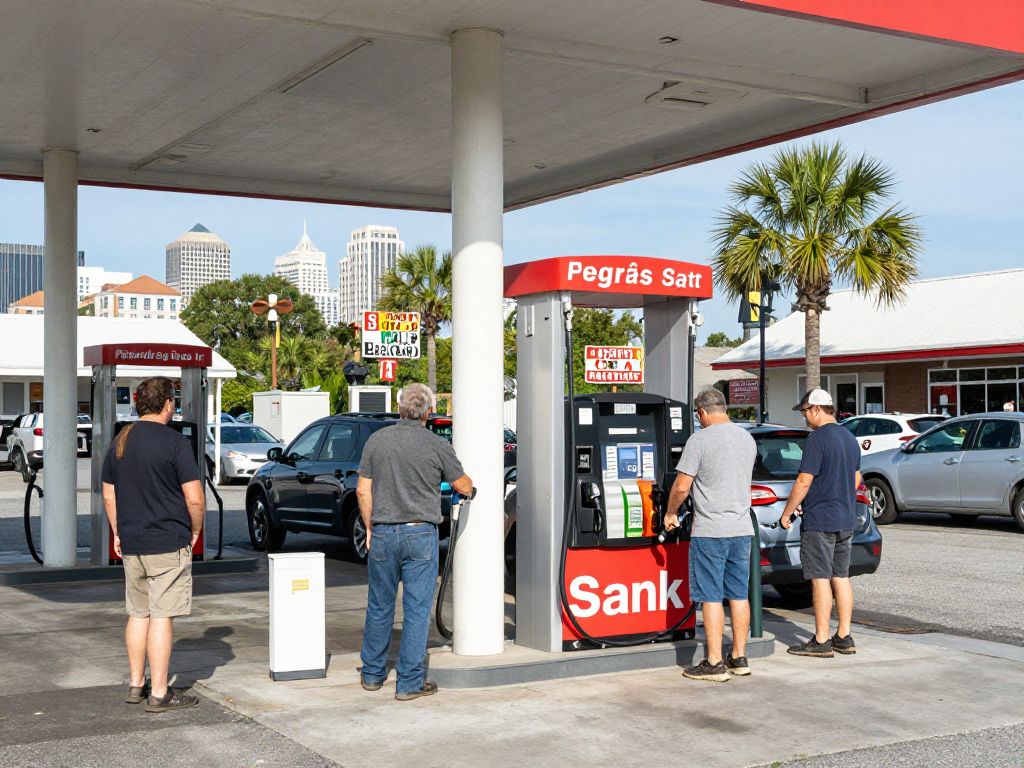
As gas prices exceed $4 per gallon, Charleston residents and small businesses are feeling the impact. Financial advisors are suggesting strategies for managing costs, including the use of rewarded credit cards and gas loyalty programs. Adjusting budgets and driving habits can also help mitigate the financial strain. Long-term planning and alternative transportation options are being encouraged to navigate these rising costs effectively, showcasing the resiliency of the Charleston community amidst economic challenges.
Charleston Navigates Rising Gas Prices with Smart Financial Strategies
As gas prices across the nation once again top $4 per gallon, Charleston, SC, residents and small businesses are keenly feeling the pinch at the pump. This recent surge, with a national average of $4 per gallon as of March 31, has prompted financial advisors nationwide to offer actionable strategies for managing the increased financial strain. For the resilient entrepreneurs and families of the Lowcountry, turning this frustration into tangible rewards means embracing innovative approaches to everyday spending and wise financial planning.
The rise in fuel costs, driven by factors such as inflation, supply chain issues, and global events, has a ripple effect throughout the economy. While higher-income households might view these price hikes as a mere headline, many lower and middle-income Americans are making difficult choices to cover their increased commuting and transportation expenses. In Charleston, a city known for its vibrant Charleston SC business community and continuous Lowcountry economic growth, proactive financial management can help individuals and businesses maintain stability and even find opportunities for savings amidst these challenges.
Smart Spending at the Pump: Credit Cards and Loyalty Programs
One of the most immediate and effective ways to combat high gas prices is through strategic use of rewards credit cards and gas station loyalty programs. Many financial advisors recommend leveraging these tools to offset the financial strain of elevated fuel costs.
Rewards Credit Cards: Several credit cards offer substantial cash back or points on gas purchases. Some cards can provide 3% to 5% cash back on fuel, while others may offer 2% cash back at gas stations and restaurants on up to $1,000 in combined purchases each quarter. For example, the Citi Custom Cash Card automatically awards 5% cash back on your highest eligible spending category each month, with gas stations often qualifying. Similarly, the Gemini Credit Card offers 4% back on gas, EV charging, transit, taxis, and rideshares on up to $300 in spend per month. The BP Rewards Visa offers savings of 30 cents per gallon for the first 60 days, then 15 cents per gallon thereafter, at participating BP and Amoco stations nationwide. It is crucial to consider annual fees and other terms to ensure that the benefits outweigh any potential costs.
Gas Station Loyalty Programs: Beyond credit cards, gas station loyalty programs can provide significant discounts. Programs like Shell Fuel Rewards offer tiered status, with new members often starting with Gold status, saving at least 5 cents per gallon on every fill-up, and Platinum members saving a minimum of 10 cents per gallon. Exxon Mobil Rewards+ allows members to earn points on eligible purchases, including fuel, car washes, and convenience store items, with points redeemable for discounts at the pump. Circle K’s Easy Rewards program offers daily fuel discounts and special offers, including initial savings of 25 cents per gallon on the first five fuel-ups for new members. These programs often integrate with mobile apps for easy tracking of rewards and contactless payment options. For Charleston residents, taking advantage of these nationwide programs can lead to consistent savings over time.
Budget Adjustments and Driving Habits for Charleston Households
While external programs offer savings, internal adjustments to household budgets and driving habits are equally vital for managing elevated gas prices. Financial advisors emphasize that small budget trims and mindful driving can accumulate into meaningful savings.
Reviewing and Revising Spending: A close look at current spending habits can reveal areas to cut back, particularly on non-essential items. This could mean reducing convenience store runs, frequent food delivery orders, or unnecessary online purchases until gas prices stabilize. The impact of a $1 per gallon increase can add approximately $100 to a monthly gas budget for a household burning 25 gallons a week, highlighting the need for such adjustments. Rather than dipping into emergency funds, reallocating discretionary spending can help absorb these increased costs.
Optimizing Driving Habits: Modifying how one drives can significantly impact fuel consumption. Avoiding rapid acceleration and hard braking, maintaining a steady pace, and keeping within speed limits can improve fuel efficiency. Turning off the engine during long idle periods also conserves gas. Proper car maintenance, including ensuring tires are correctly inflated and getting regular oil changes, can enhance a vehicle’s fuel efficiency. Planning routes to find shorter or less congested paths can also reduce fuel usage. For Charleston small business owners managing delivery fleets or service vehicles, these adjustments can translate to substantial operational savings.
Alternative Transportation and Long-Term Planning
Beyond immediate adjustments, considering alternative transportation and engaging in long-term financial planning are crucial strategies for navigating persistent high gas prices.
Exploring Alternatives: For short distances, walking or biking can eliminate gas consumption entirely and offer health benefits. Carpooling with colleagues or friends reduces the number of vehicles on the road and helps share fuel costs. While public transportation options vary, in cities with reliable transit, it can be a significantly cheaper alternative to driving for commutes. For South Carolina entrepreneurs and employees alike, exploring these options can lead to both personal savings and reduced traffic congestion.
Long-Term Financial Safeguards: Adjusting for inflation requires more than short-term budget changes. Investing wisely in assets that historically outpace inflation, such as stocks or real estate, can help preserve purchasing power over time. However, financial experts caution against impulsive decisions like panic-buying a new, more fuel-efficient car to offset gas costs, as a new car purchase can become a much larger financial burden than the fuel savings. The average price for a new car and rising interest rates mean that the monthly payment for a new vehicle might easily outweigh the savings at the pump.
Community Resilience and Economic Outlook in Charleston County
The ability of Charleston County economy to adapt and thrive, even in the face of national economic pressures like elevated gas prices, speaks to the resilience of its community. By adopting these practical financial strategies, residents and businesses can mitigate the impact of rising fuel costs, freeing up resources that can be reinvested locally. The focus on individual responsibility, smart consumer choices, and entrepreneurial spirit remains a cornerstone of economic vitality in the region. As the economy evolves, ongoing innovation in transportation, alongside sound personal financial management, will continue to contribute to the robust future of Charleston and the surrounding Lowcountry.
FAQ
- What are financial advisors recommending to offset high gas prices Nationwide?
- Financial advisors Nationwide recommend using rewards credit cards, loyalty programs, and making small budget adjustments to help offset the financial strain of elevated fuel prices.
- How much have gas prices surged Nationwide?
- Gas prices Nationwide have surged over 30% since the start of the war in Iran. The national average price per gallon is over $4 as of March 31.
- What are some examples of rewards credit cards for fuel savings Nationwide?
- Nationwide, some credit cards offer 3% to 5% cash back on gas purchases. Examples include the Citi Custom Cash Card which offers 5% cash back on the highest eligible spending category, and the Gemini Credit Card offering 4% back on gas.
- What are some examples of gas station loyalty programs Nationwide?
- Nationwide, programs like Shell Fuel Rewards offer tiered status with discounts per gallon, and Exxon Mobil Rewards+ allows members to earn points on fuel and other purchases. Circle K’s Easy Rewards program also provides daily fuel discounts and special offers.
- What driving habits can help improve fuel efficiency Nationwide?
- Nationwide, improving fuel efficiency can be achieved by avoiding rapid acceleration and hard braking, maintaining a steady pace, adhering to speed limits, and turning off the engine during long idle periods.
- Why are lower and middle-income Americans particularly affected by high gas prices Nationwide?
- Lower and middle-income Americans Nationwide are facing tough choices to cover the increased costs of commuting and other driving needs when gas prices are high, as these price hikes pose a significant financial strain.
| Strategy Category | Key Features | Benefits |
|---|---|---|
| Rewards Credit Cards | Offers 3% to 5% cash back on gas purchases; some offer 2% cash back at gas stations and restaurants on up to $1,000 in combined purchases quarterly. Specific cards like Citi Custom Cash offer 5% on top spending category (incl. gas), and Gemini Card offers 4% on gas/EV charging up to $300/month. | Offsets financial strain, provides direct savings or points for future discounts. |
| Gas Station Loyalty Programs | Tiered discounts (e.g., Shell Fuel Rewards offer 5-10 cents/gallon off), points on fuel and in-store purchases (e.g., Exxon Mobil Rewards+), and initial sign-up bonuses (e.g., Circle K’s 25 cents/gallon off on first 5 fill-ups). | Consistent savings, access to exclusive offers, and often integrated with mobile apps for convenience. |
| Budget Adjustments | Reviewing and revising spending habits, cutting back on non-essential items, reallocating discretionary spending. | Frees up funds to cover increased fuel costs, helps maintain financial stability without dipping into emergency savings. |
| Driving Habits & Car Maintenance | Avoiding rapid acceleration/hard braking, maintaining steady speeds, proper tire inflation, regular oil changes, planning fuel-efficient routes, avoiding long idling. | Improves fuel efficiency, reduces overall gas consumption, and contributes to vehicle longevity. |
| Alternative Transportation | Walking, biking for short distances, carpooling, utilizing public transportation where available. | Eliminates or reduces gas consumption, offers health benefits, reduces traffic congestion. |
Deeper Dive: News & Info About This Topic
HERE Resources