
How Can You Use Customer Journey Mapping to Improve Your Digital Marketing Success?
Understanding Customer Journey Mapping
Customer journey mapping is an essential tool in the realm of digital marketing. It visualizes and outlines the various stages that customers go through when interacting with a product or service. This mapping process helps businesses identify touchpoints and pain points in the customer experience.
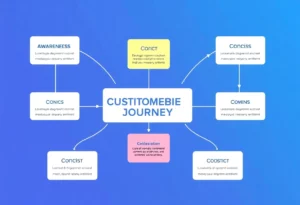
A customer journey map often includes stages such as awareness, consideration, purchase, retention, and advocacy. Each stage consists of specific interactions that the customer has with the brand. By analyzing these stages, businesses gain insights into how to enhance their marketing strategies.
Benefits of Customer Journey Mapping
The advantages of employing customer journey mapping in digital marketing are significant. Below are key benefits:
1. Enhanced Understanding of Customer Needs
Mapping the journey allows organizations to identify what customers truly need at each stage. Whether it’s informative content during the awareness phase or reassurance during the purchase phase, understanding needs can guide content strategy.
2. Improved Customer Experience
By pinpointing pain points, businesses can make necessary adjustments to improve the overall customer experience. This could involve streamlining the checkout process or providing better customer service.
3. Data-Driven Decisions
Customer journey mapping relies on data analytics. This data-driven approach enables effective decision-making based on actual customer behavior, rather than assumptions.
4. Increased Customer Retention
An optimized customer journey leads to better retention rates. Satisfied customers are more likely to return and also spread positive word-of-mouth, amplifying brand visibility.
Steps to Create a Customer Journey Map
Creating a customer journey map involves several key steps:
Step 1: Define Your Objectives
Before you start mapping, clarify what you hope to achieve. Whether it’s improving lead generation or enhancing customer satisfaction, definitive goals will guide the process.
Step 2: Identify Customer Personas
Understanding who your customers are is crucial. Develop personas that represent different segments of your audience. Each persona may have unique pain points, motivations, and behaviors.
Step 3: Outline the Stages of the Journey
Identify the key stages of the customer journey: awareness, consideration, purchase, retention, and advocacy. Each stage should reflect a different set of interactions that the customer has with the brand.
Step 4: Identify Touchpoints
Determine where and how customers interact with your brand. Each touchpoint can include social media, email, websites, or physical stores. Analyzing touchpoints helps optimize engagement strategies.
Step 5: Gather Data and Insights
Use qualitative and quantitative data to inform your mapping process. Customer surveys, analytics tools, and feedback can provide valuable insights into customer behavior.
Step 6: Visualize the Customer Journey
Create a visual representation of the customer journey. This can take the form of a flowchart or infographic that outlines each stage and touchpoint. A clear visual makes it easier to spot areas for improvement.
Step 7: Analyze and Iterate
After visualizing, analyze the data and insights gathered. Identify strengths and weaknesses in your current approach. Continuously iterating on the map allows you to adapt to changing customer needs.
Integrating Journey Mapping into Digital Marketing Strategy
Once the customer journey map is developed, integrating it into digital marketing strategies is crucial for success.
1. Tailored Content Creation
Utilize the insights gained from mapping to create content that speaks directly to customer needs at different journey stages. For instance, provide educational articles during the awareness stage and product comparisons during the consideration stage.
2. Personalized Marketing Efforts
Leverage customer data to enhance personalization in marketing campaigns. Personalized emails and targeted ads can significantly increase engagement and conversion rates.
3. Optimizing Customer Relationship Management (CRM)
Integrate mapping insights with your CRM system. Understanding the customer journey allows for better segmentation and targeting in your communications.
4. Multi-Channel Marketing
Ensure that your marketing strategy is is seamless across various channels. A consistent message across platforms enhances recognition and reinforces brand trust. Use insights from the journey map to determine which channels are most effective at each stage.
5. Measuring Success
Establish key performance indicators (KPIs) to measure the impact of your customer journey initiatives. Metrics can include customer satisfaction scores, acquisition cost, customer lifetime value, and retention rates.
Common Pitfalls to Avoid
Navigating customer journey mapping can be complex. Awareness of common pitfalls is essential:
1. Overcomplicating the Map
Simplicity is key. A map that is too detailed may lose its effectiveness. Focus on the most critical touchpoints and stages.
2. Ignoring Customer Feedback
Ignoring direct feedback from customers can skew your understanding of their needs and behaviors. Always incorporate customer opinions into your analysis.
3. Failing to Update the Map
The customer journey is not static. Regularly revisit and update the map according to new trends and findings.
4. Lack of Cross-Departmental Collaboration
Mapping is not solely a marketing task. Collaborate with sales, customer service, and product development to gather a holistic view of the customer journey.
Conclusion
Utilizing customer journey mapping effectively can transform your digital marketing strategy. By understanding and optimizing each step of the customer journey, businesses can significantly enhance customer engagement and satisfaction.
The data-driven nature of customer journey mapping fosters informed decisions, leading to a stronger relationship with customers. This structured approach elevates marketing efforts, enabling organizations to stand out in a competitive digital landscape.
Incorporate customer journey mapping into your strategy today to unlock the full potential of your digital marketing initiatives.