

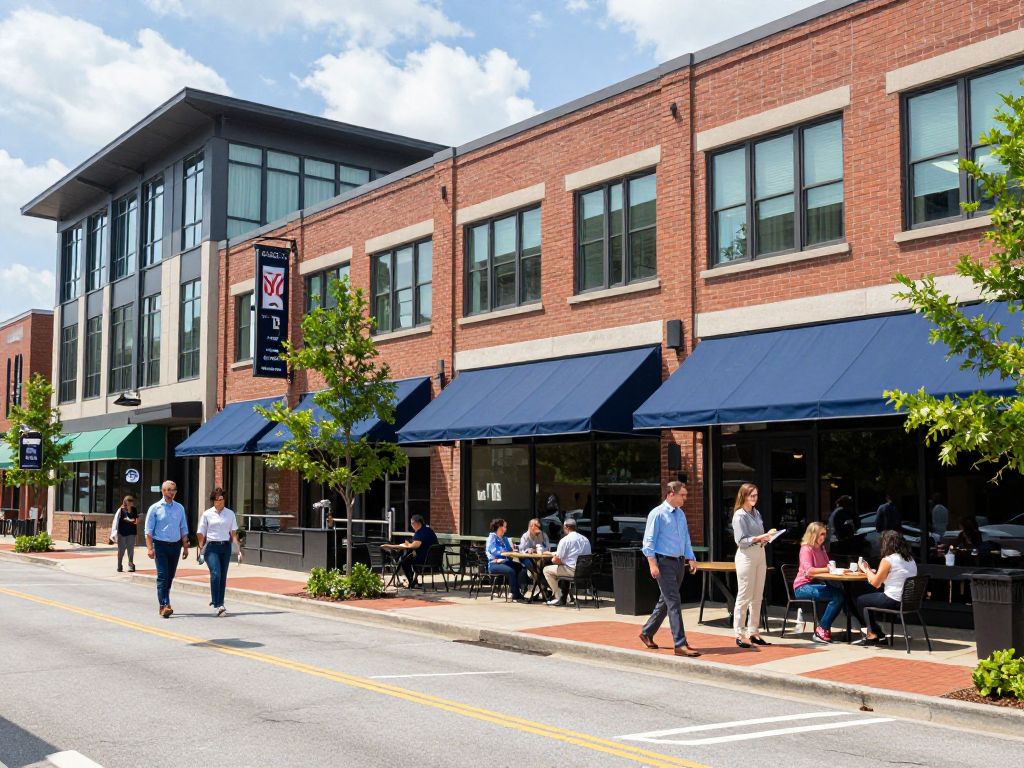
Columbia, SC, February 20, 2026
Columbia, South Carolina, is implementing an aggressive economic strategy to attract more business headquarters, moving beyond its government and educational roots. The city aims to transform its urban landscape to successfully recruit a diverse range of industries, enabling entrepreneurial innovation and fostering local investment as part of the state’s broader economic growth philosophy, ‘Launch to Legacy.’ This initiative emphasizes creating a business-friendly environment that prioritizes regulatory reform, community engagement, and infrastructure development.
Charleston, SC
Columbia’s Corporate Quest: Can the Capital City Attract More Business Headquarters?
Columbia, South Carolina, is actively pursuing a bold economic strategy to attract more business headquarters, aiming to carve out a distinct identity beyond its traditional role as a governmental and educational hub. This proactive approach underscores a statewide commitment to fostering an environment where entrepreneurial innovation and small-business resilience can thrive, fueled by strategic investments and a focused vision for growth.
The Palmetto State’s capital city is embarking on an economic transformation, shifting its focus toward urban economic development. This strategic pivot emphasizes recruiting restaurants, retail, hospitality, entertainment venues, and business services operations, moving away from solely targeting large manufacturing plants. Columbia’s leadership recognizes the immense potential in leveraging its urban core to create a dynamic and attractive environment for businesses of all sizes. This initiative aligns with a broader right-of-center economic philosophy that prioritizes local investment and diversified growth over centralized industrial recruitment, fostering a more organic and resilient economy.
South Carolina’s Statewide Push for Corporate Headquarters
South Carolina has introduced a comprehensive strategy, “Launch to Legacy,” aimed at recruiting and retaining industries, particularly targeting corporate headquarters and advanced energy facilities. This statewide plan seeks to eliminate impediments to recruitment, positioning South Carolina as a competitive destination for companies from their inception through long-term success. The brand emphasizes that investing in South Carolina promotes growth for businesses, individuals, and communities, highlighting the state’s readiness for the new economy and its emergence as a home for American innovation. Such initiatives reflect a commitment to cultivating a robust economic climate, where private enterprise and strategic partnerships can flourish.
The state’s approach to economic development includes streamlined processes, competitive incentives, and strong public-private alignment, creating a confident environment for companies to innovate, expand, and access global markets. South Carolina has gained national recognition for its pro-business environment, skilled workforce, global connectivity, and diversified industry base. The state’s economic momentum is supported by collaboration among state leaders, local communities, educational institutions, and industry partners. South Carolina offers various advantages, including competitive tax rates and performance-based tax incentives designed to support companies for legacy growth. The state is also among the fastest-growing in the nation by percentage growth, and ranks in the top five states for doing business. This robust framework seeks to empower businesses by reducing bureaucratic hurdles and maximizing opportunities for capital investment.
Unleashing Entrepreneurial Spirit Through Regulatory Reform
A significant factor in attracting and retaining businesses is the regulatory environment. South Carolina has been actively pursuing regulatory reform to reduce burdens on small businesses and foster economic growth across the state. The “Small Business Regulatory Freedom Act” (H.3021) aims to limit overregulation by reforming state regulatory processes with targeted exemptions. The bill proposes significant changes to the regulatory review process, preventing regulations from persisting without legislative oversight. It also mandates that state agencies cannot promulgate regulations without statutory delegation from the legislature, and all regulations must cite the statute granting authority to the agency. This focus on reducing red tape is designed to liberate South Carolina’s entrepreneurial spirit and enhance economic dynamism.
Studies suggest that a 25 percent reduction in regulatory requirements could boost real GDP growth by 0.7 percentage points annually for South Carolina, potentially expanding the state’s economy by an additional $10.273 billion over five years and $23.648 billion over ten years. The act also empowers small businesses to challenge questionable regulations in court and introduces retrospective reviews for new regulations, with outdated ones facing automatic expiration dates and periodic reviews. These reforms align with a philosophy that minimal government interference allows businesses to focus on job creation and innovation, strengthening local economies.
Columbia’s Ecosystem for Innovation and Startups
Columbia is building a supportive ecosystem for entrepreneurs and startups, offering a variety of resources and incentives. The city has been recognized as one of the best places in the U.S. for starting a business, partly due to its low costs, a talented labor pool, high quality of life, and central location. Programs like SC LAUNCH provide structured frameworks for entrepreneurial companies in advanced manufacturing, information technology, and life sciences through funding, networking, and education. The Small Business Development Centers (SBDC) offer free private consulting, resources, and seminars to help entrepreneurs get started, grow, and succeed. Additionally, the South Carolina Innovation Hub (SCRIBBLE) connects entrepreneurs with state resources and other innovators.
The University of South Carolina (USC) plays a crucial role as a driver of innovation and tech transfer, with programs like The USC Columbia Technology Incubator offering resources, mentorship, and funding opportunities for aspiring entrepreneurs. The city’s economic development office is enhancing its services, including adding positions for a business recruiter, a project manager, and a liaison to provide a “concierge service” for new businesses navigating the establishment process. This comprehensive support system underscores Columbia’s commitment to nurturing local talent and attracting new ventures, reinforcing the entrepreneurial spirit that drives economic growth.
Competing in the Carolinas: Columbia vs. Charlotte
While Charlotte, North Carolina, has historically been a dominant economic force in the Southeast, Columbia, South Carolina, is demonstrating a shifting dynamic post-pandemic. Charlotte boasts a higher household income, 40% more than Columbia, and a slightly lower unemployment rate. North Carolina generally ranks higher in national business competitiveness studies. However, Columbia offers distinct advantages that are proving attractive to businesses and individuals alike. Columbia’s housing costs are significantly less expensive—46.5% lower than Charlotte’s—and residents enjoy a shorter average commute time.
South Carolina also has a lower overall tax burden than North Carolina, with a lower income tax rate and more tax benefits for retirees, influencing some businesses and individuals to consider the Palmetto State. The availability of Opportunity Zone incentives in Columbia provides additional tax advantages for businesses, investors, and developers in designated areas. These factors contribute to Columbia’s appeal, offering a more cost-effective environment for both living and doing business, particularly for buyers priced out of the Charlotte market. As Columbia continues to invest in its urban core and attract diverse industries, it presents a compelling alternative for companies seeking growth and a vibrant community.
Community and Infrastructure Driving Growth
Beyond incentives and regulations, Columbia is actively investing in its infrastructure and fostering community engagement to support economic growth. The city is strategically developing prime downtown properties for commercial and mixed-use projects, enhancing walkability, and creating vibrant public spaces to attract new businesses and residents. These developments are part of a long-term vision to modernize and invigorate the urban center, transforming it into a hub for commerce, culture, and residential living. Significant investments in infrastructure and urban planning are crucial for preparing the city for future expansion.
The state’s robust multimodal transportation network, including the Port of Charleston as one of the deepest harbors on the East Coast, provides a strong logistics platform for businesses. South Carolina’s commitment to workforce development is evident through programs that align education with industry needs, ensuring a steady supply of skilled workers. This integrated approach, combining strategic infrastructure improvements with community-focused development, aims to create a sustainable and attractive environment for businesses and residents, reinforcing Charleston SC business and Lowcountry economic growth.
Conclusion
Columbia’s concerted efforts to attract more business headquarters highlight a dynamic and forward-thinking approach to economic development within South Carolina. By focusing on entrepreneurial innovation, streamlining regulations, and investing in a supportive business ecosystem, the capital city is strategically positioning itself as a compelling destination for companies seeking growth and opportunity. The competition with regional powerhouses like Charlotte underscores the importance of continued focus on what makes South Carolina unique: a commitment to business-friendly policies, a resilient workforce, and a vibrant community spirit. As Charleston County economy and South Carolina entrepreneurs continue to drive economic prosperity across the state, engagement from local businesses and residents remains paramount in shaping our collective future.
We encourage our readers to support local businesses in Charleston and stay engaged in discussions about Charleston’s economic future, as these statewide initiatives ultimately contribute to our shared prosperity.
| Feature Category | Specific Initiatives/Details | Impact/Benefit | Geographic Scope |
|---|---|---|---|
| Economic Development Strategy | Shift to urban economic development, attracting retail, hospitality, business services. | Diversifies economic base, leverages urban core. | Local (Columbia, SC) |
| Statewide Business Attraction | “Launch to Legacy” initiative to recruit headquarters and advanced energy facilities. | Eliminates recruitment impediments, positions SC as competitive. | State-level (South Carolina) |
| Regulatory Environment | “Small Business Regulatory Freedom Act” (H.3021) to reduce overregulation. | Boosts GDP, liberates entrepreneurial spirit, enhances accountability. | State-level (South Carolina) |
| Entrepreneurial Support | SC LAUNCH, SBDC, SCRIBBLE, USC Columbia Technology Incubator, concierge service for new businesses. | Provides funding, mentorship, resources, and streamlined processes for startups. | Local (Columbia, SC) & State-level (South Carolina) |
| Cost Advantages | 46.5% lower housing costs than Charlotte, shorter commute, lower overall tax burden than NC. | Attracts residents and businesses priced out of other markets, increases disposable income. | Local (Columbia, SC) & State-level (South Carolina vs. North Carolina) |
| Infrastructure & Community Investment | Development of prime downtown properties, enhanced walkability, robust multimodal transportation network (Port of Charleston). | Modernizes urban center, supports logistics, creates attractive living/working environment. | Local (Columbia, SC) & State-level (South Carolina) |
Deeper Dive: News & Info About This Topic
HERE Resources
Coastal States Bank Champions Community Engagement in Charleston
Bojangles’ Thrives Post-Acquisition: Economic Impact in South Carolina
Carolina Renewable Products Plans $280 Million Facility in South Carolina
South Carolina Business News Transitions to SCBIZ
CS Instruments Chooses Beaufort County for North American HQ
Integer Technologies Boosts South Carolina’s Economy
Pensievision to Launch 3D Imaging Technology to ISS
South Carolina Dissolves Historic Insurance Company Seibels Bruce
Newport News Shipbuilding Launches Goose Creek Operations
Newport News Shipbuilding Expands Operations in South Carolina