

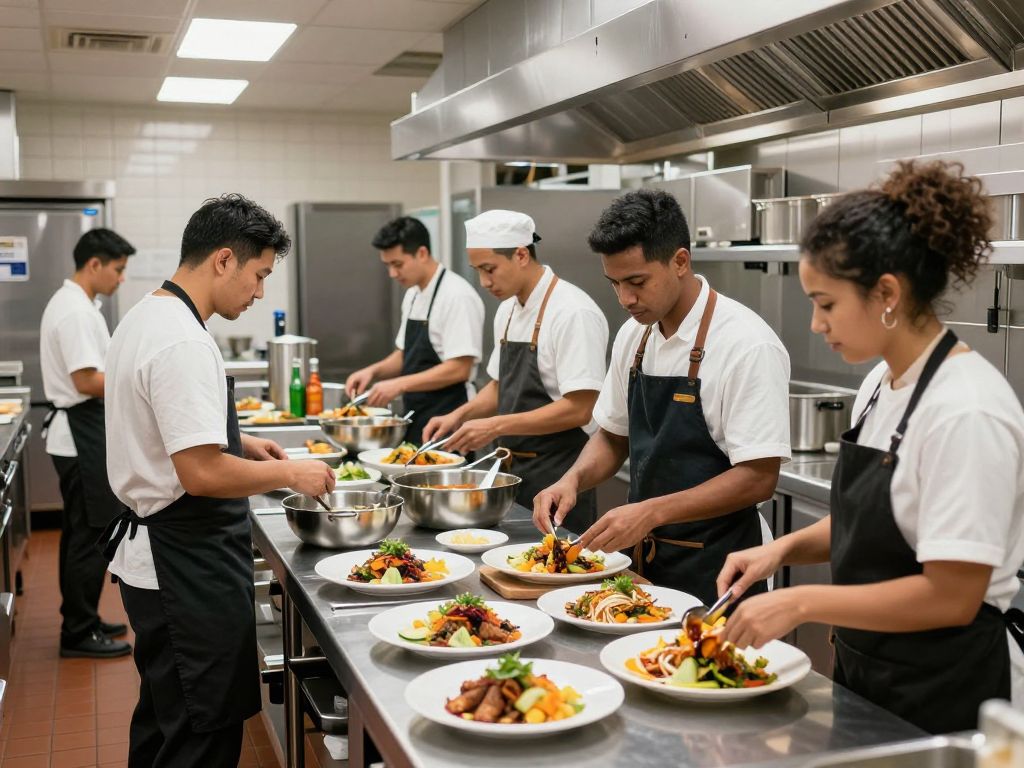
Charleston, SC, February 19, 2026
Charleston has opened a new state-of-the-art commissary kitchen that serves as a vital resource for local food entrepreneurs including food trucks and caterers. This facility aims to reduce startup costs and operational hurdles, fostering innovation and support for small businesses. It reflects the growing trend of providing essential infrastructure for emerging food enterprises that contribute to the vibrant culinary scene in the Lowcountry.
Charleston, SC
Charleston’s New Culinary Hub: A Catalyst for Local Food Entrepreneurs
A new state-of-the-art commissary kitchen is now operational in Charleston, poised to become a vital resource for the Lowcountry’s vibrant culinary scene. This facility offers dedicated space and equipment for food trucks, caterers, and other local food businesses, underscoring Charleston’s commitment to fostering entrepreneurial innovation and supporting small-business resilience.
The establishment of such a facility reflects a growing trend in urban centers to provide essential infrastructure that empowers emerging food enterprises. By offering shared commercial kitchen space, this initiative reduces significant startup costs and operational hurdles, allowing local chefs and food entrepreneurs to focus on their craft and grow their businesses within a supportive environment. This private investment in shared resources is a testament to the dynamic spirit of South Carolina entrepreneurs who continually seek avenues for economic growth and community enrichment.
Fostering Entrepreneurial Spirit in the Lowcountry
The opening of this new commissary kitchen marks a significant development for Charleston’s culinary landscape, providing critical infrastructure that can accelerate the growth of numerous small businesses. For many burgeoning food ventures, the cost and regulatory complexities of establishing a dedicated commercial kitchen can be prohibitive. This shared facility offers a practical solution, allowing entrepreneurs to access professional-grade equipment and compliant workspaces without the immense upfront investment. This model of shared resources aligns with principles of efficient resource allocation and provides a clear pathway for South Carolina entrepreneurs to scale their operations. The facility aims to support a diverse range of food businesses, including food trucks, caterers, bakers, and packaged food producers, contributing to the overall strength of the Charleston SC business community.
Supporting Small Business Resilience and Innovation
Charleston’s culinary scene is renowned for its innovation and variety, largely driven by the passion and dedication of its small business owners. The new commissary kitchen directly supports this segment by offering a robust platform for growth. Food trucks, for instance, often face challenges in finding consistent, health-department-approved locations for food preparation, storage, and equipment maintenance. This centralized kitchen addresses these needs, streamlining operations and ensuring compliance with stringent food safety standards. Such facilities are crucial for the resilience of these businesses, enabling them to navigate operational challenges and maintain high standards of quality and safety. By facilitating easier access to essential infrastructure, the kitchen helps reduce barriers to entry for new businesses and enables existing ones to expand their reach, further enriching the Charleston County economy.
Economic Growth Through Private Investment
The development of this commissary kitchen represents a significant private investment in the local economy, creating a ripple effect that benefits various sectors. By providing a professional base for numerous food businesses, it directly supports job creation within those enterprises. Furthermore, the increased activity of these businesses often leads to greater demand for local suppliers, from farmers and fishermen to packaging companies and marketing services, thereby stimulating broader Lowcountry economic growth. This kind of private sector initiative, unburdened by excessive regulation, showcases how targeted investments can yield substantial returns in terms of economic vitality and community benefit. It underscores a belief that entrepreneurial drive, when properly supported, is a powerful engine for prosperity.
Community Insights and Culinary Diversity
Beyond its economic implications, the commissary kitchen is expected to foster a stronger sense of community among Charleston’s food entrepreneurs. It provides a shared space where chefs and business owners can collaborate, share insights, and collectively address challenges. This collaborative environment can spark new culinary innovations and diversify the food offerings available to residents and tourists alike. The facility is designed to be more than just a kitchen; it is envisioned as a hub where ideas can simmer and new ventures can flourish, contributing to the unique character and appeal of Charleston. By providing a central point for culinary creation, the kitchen reinforces Charleston’s reputation as a top food destination.
A Foundation for Future Success
The establishment of this commissary kitchen in Charleston offers a clear example of how strategic investments in infrastructure can empower small businesses and drive economic development. It embodies the spirit of entrepreneurial innovation that defines much of the Charleston SC business landscape, providing a tangible benefit to those striving to build successful culinary enterprises. As the facility welcomes its first tenants, it lays a foundation for continued growth, job creation, and the flourishing of diverse food offerings that enrich the entire Lowcountry community. This initiative demonstrates how enabling conditions, rather than restrictive ones, can unleash the full potential of local talent and enterprise.
Conclusion
The new commissary kitchen in Charleston represents a significant boost for local food entrepreneurs, providing essential resources that lower barriers to entry and support the growth of small businesses. Its focus on shared amenities and operational efficiency is poised to enhance Charleston’s culinary diversity and contribute to robust Lowcountry economic growth. We encourage our readers to support the innovative food trucks, caterers, and local businesses that will undoubtedly emerge and thrive from this exciting new hub, and to stay engaged with the ongoing evolution of Charleston’s vibrant economic future.
Key Features of Charleston’s New Commissary Kitchen
| Feature | Description | Benefit to Local Businesses |
|---|---|---|
| Dedicated Commercial Space | State-of-the-art kitchen facilities for rent | Access to professional equipment without high upfront investment |
| Support for Diverse Businesses | Accommodates food trucks, caterers, bakers, packaged food producers | Broadens market access and operational efficiency for various culinary ventures |
| Reduced Startup Costs | Shared resources and operational infrastructure | Lowers financial barriers for new and expanding food entrepreneurs |
| Health Code Compliance | Ensures adherence to food safety regulations | Provides a legal and safe environment for food preparation and storage |
| Community Hub | A shared environment for collaboration and networking | Fosters innovation, knowledge sharing, and peer support among entrepreneurs |
| Economic Catalyst | Private investment stimulating job creation and demand for local suppliers | Contributes to overall Charleston County economy and Lowcountry economic growth |
Deeper Dive: News & Info About This Topic
HERE Resources
Salthouse Expands: A New Chapter for Charleston’s Culinary Scene
Charleston Welcomes Silk Road Bakery amid Bakery Changes