
Charleston, February 14, 2026
A stunning 200-year-old Greek Revival home in downtown Charleston has been listed for $7.4 million, exemplifying the city’s commitment to historic preservation. This property underscores the enduring appeal of Charleston’s historic real estate, reflecting both architectural grandeur and the ongoing efforts of homeowners and local businesses to maintain the city’s rich heritage. The economic impact of such preservation initiatives is significant, boosting local commerce and enhancing property values in a market where discerning buyers prioritize history and craftsmanship.
Charleston, SC – The listing of a magnificent 200-year-old Greek Revival home in downtown Charleston for $7.4 million underscores the enduring allure and robust value of the city’s historic properties. This significant event highlights not only the architectural grandeur that defines much of the Holy City but also the potent force of private investment and careful stewardship in preserving irreplaceable heritage, all while fostering local economic vitality. In a market often driven by rapid development, the sustained appeal of such venerable residences speaks volumes about the value discerning buyers place on history, craftsmanship, and community character.
The dedication of homeowners and the specialized skills of local businesses in maintaining these structures contribute profoundly to the unique charm of Charleston. Their commitment to blending historical integrity with modern living exemplifies entrepreneurial innovation within the preservation sector, showcasing how careful management and private capital can drive economic growth without sacrificing the city’s soul. As Charleston continues to evolve, the careful balance between progress and preservation remains a cornerstone of its success, with properties like this Greek Revival gem serving as powerful symbols of that harmonious blend, stimulating the Charleston County economy through every transaction and renovation.
A Glimpse into Charleston’s Storied Past
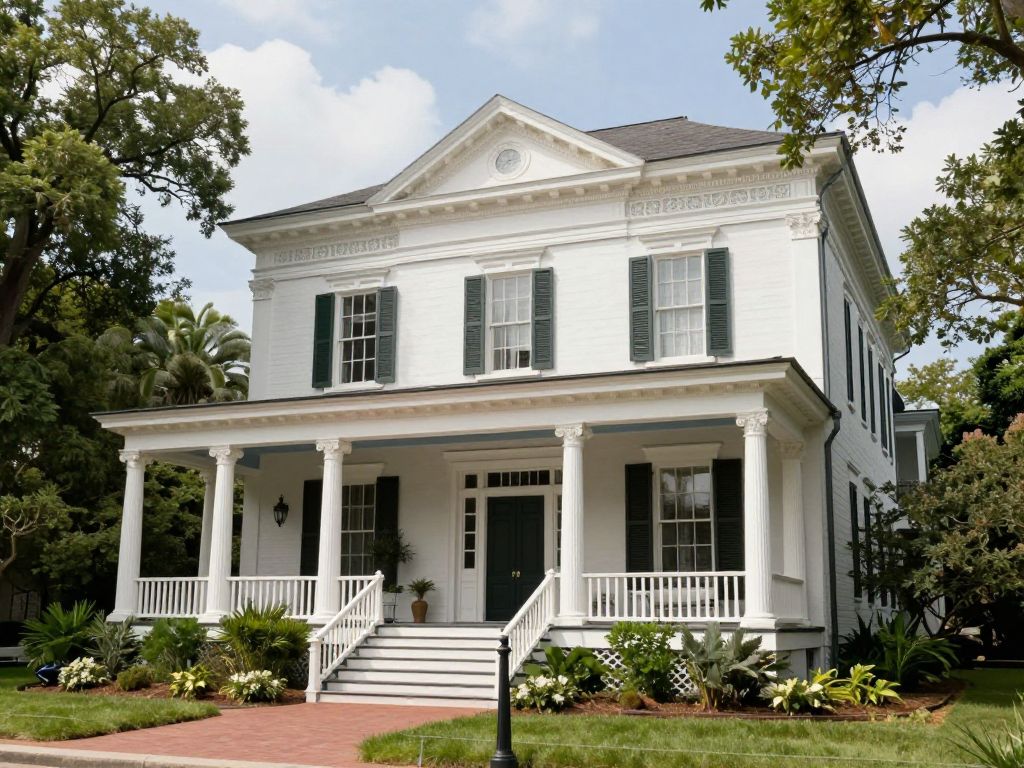
Constructed in 1837, this distinguished Charleston small business supports a Greek Revival home has recently undergone an extensive renovation, preparing it for its next chapter. Greek Revival architecture, which became popular in Charleston during the mid-19th century, brought with it an elegance that mirrored ancient Greek design principles. These homes are characteristically marked by their intricate Ionic and Doric columns, expansive porches, triangular pediments, low gable roofs, and a harmonious, balanced aesthetic. The architectural style was prevalent throughout the South during the antebellum period, symbolizing ideals of democracy and civic virtue. Prominent examples like the Roper House and the Aiken-Rhett House, built in 1820, showcase the grandeur of this style with their symmetrical facades and stately columns. The meticulous care and substantial private investment required to renovate and maintain such a property reflect a significant personal achievement in preserving a piece of American history.
The Enduring Appeal of Historic Properties
Charleston’s historic real estate market operates under unique conditions that often diverge from broader national trends, making it a distinctive segment within the overall Lowcountry economic growth narrative. The city’s commitment to historic preservation, formalized through ordinances that regulate downtown historic buildings to ensure their historical integrity, creates a finite supply of protected properties. This scarcity, combined with a strong demand from buyers who value authenticity and history, has led to a market where historic properties consistently hold their value and rarely appraise below the contract price. This phenomenon insulates these unique assets from the market volatility that can affect other luxury segments. The preservation market, supported by many Charleston SC business entities specializing in restoration, creates a stable and appreciating asset class, demonstrating the wisdom of limited regulation in preserving critical cultural and economic resources.
Investment and Economic Ripple Effects
The investment in Charleston’s historic properties creates a substantial economic ripple effect that benefits the entire region. Historic preservation is a significant economic driver, generating considerable direct spending and employment. In South Carolina, historic preservation efforts contribute approximately $325.6 million annually in direct spending, directly creating 9,097 jobs and indirectly supporting an additional 2,300 jobs in related industries. These jobs are predominantly in skilled trades such as construction and architectural services, fostering a robust environment for South Carolina entrepreneurs and craftsmen specializing in restoration. The continuous private investment in properties like the Greek Revival home not only safeguards architectural treasures but also fuels local commerce, from specialized building material suppliers to expert artisans. Furthermore, historic preservation has been shown to increase property values, facilitate faster property appreciation, and help retain property value over time. The state’s initiative to offer tax credits for rehabilitating historic buildings, as one of 20 states doing so, further incentivizes these beneficial activities.
Charleston’s Dynamic Luxury Real Estate Market
The broader luxury real estate market in Charleston continues to show resilience and strategic shifts. In the third quarter of 2025, sales of homes priced at $1 million and above experienced a 10% increase compared to the previous year, with year-to-date closings for such properties rising by 9.69%. While the average sales price remained largely stable, increasing by just 1% in the third quarter and 0.5% year-to-date, there has been a notable increase in the average days on market, jumping 31% in Q3 2025 and 22% year-to-date. This suggests a more balanced market where buyers are exercising more patience and have greater leverage. Inventory levels have also seen a significant uptick, with a 36% year-over-year increase in overall inventory and single-family home listings climbing over 30% in 2025. Currently, the luxury segment has a 6-month supply of homes, the highest since 2022, offering buyers a wider range of choices. Affluent buyers, many seeking second homes or permanent residences, continue to relocate to Charleston from diverse areas, including the Northeast, West Coast, Midwest, and other parts of the Southeast. Listings above $4.5 million gain significant interest predominantly when they are perceived as rare or truly exceptional, underscoring the market’s appreciation for unique value.
The Future of Charleston’s Heritage Real Estate
Looking ahead, Charleston’s heritage real estate market is poised for continued evolution. Industry observers anticipate a generational shift between 2025 and 2030, as many baby-boomer homeowners may choose to sell, downsize, or transfer their estates to heirs. This potential influx could lead to a greater supply of high-end listings entering the market through estate sales. However, the inherent scarcity of historic properties, combined with ongoing demand from buyers drawn to Charleston’s unique character, suggests that these properties will maintain their value. The future success of these assets will depend on a continued commitment to preservation and thoughtful renovation that respects historical integrity while integrating modern amenities. This delicate balance will ensure that these irreplaceable homes continue to attract discerning buyers and contribute to the ongoing vibrancy of Charleston’s economy for generations to come.
The listing of this 200-year-old Greek Revival home serves as a powerful reminder of Charleston’s unique economic ecosystem, where historical preservation and private enterprise converge to create value and foster growth. It highlights the enduring spirit of Charleston SC business and the dedicated individuals who invest in maintaining the city’s architectural legacy. We encourage our readers to appreciate and support the local businesses and craftspeople who are instrumental in preserving Charleston’s distinctive charm and contributing to its ongoing economic success.
Frequently Asked Questions
What is the asking price for the 200-year-old Greek Revival home in downtown Charleston?
The 200-year-old Greek Revival home in downtown Charleston is listed for $7.4 million.
When was the Greek Revival home built?
The historic Greek Revival home in downtown Charleston was built in 1837.
What are some characteristics of Greek Revival architecture?
Greek Revival architecture is characterized by intricate Ionic and Doric columns, expansive porches, triangular pediments, low gable roofs, and balanced designs.
How does historic preservation impact Charleston’s economy?
Historic preservation in South Carolina results in $325.6 million annually in direct spending, directly creates 9,097 jobs, and indirectly creates another 2,300 jobs in related industries. It also increases property values and helps retain property value.
What are the current trends in Charleston’s luxury real estate market?
In Q3 2025, sales of homes priced at $1 million and above increased by 10%, while the average sales price remained nearly flat, up 1%. The days on market jumped 31%, indicating a more balanced market. Inventory increased by 36% year-over-year in 2025.
Key Features of Charleston’s Historic Luxury Market
| Feature | Description | Scope |
|---|---|---|
| Property Age | Approximately 200 years old (Built in 1837) | Local |
| Architectural Style | Greek Revival, known for columns, symmetry, pediments | Local |
| Listing Price | $7.4 Million | Local |
| Renovation Status | Undergone a major renovation | Local |
| Historic Preservation Impact (State-level) | $325.6 million annual direct spending, 9,097 direct jobs, 2,300 indirect jobs | State-level |
| Luxury Home Sales Growth (Q3 2025, $1M+ homes) | Increased by 10% | Local |
| Average Luxury Sales Price Change (Q3 2025, $1M+ homes) | Up 1% (nearly flat) | Local |
| Days on Market Increase (Q3 2025) | Jumped 31% | Local |
| Inventory Increase (2025 Year-over-Year) | Up 36% (single-family homes over 30%) | Local |
| Market Balance | 6-month supply in luxury segment (highest since 2022, balanced market) | Local |
Deeper Dive: News & Info About This Topic
HERE Resources
South Carolina’s Lake Murray Showcases Thriving Real Estate Market
Charleston Housing Affordability Crisis Amidst Economic Growth
Charleston Industrial Boom: Major Facility Sale Signals Economic Strength
Greystar Expands Senior Living Management Platform
Charleston’s $25M Renewal: Live Oak Hotel Redefines Luxury
Plan Your Charleston Valentine’s Day: Create Unforgettable Moments
Charleston’s Economic Horizon: Innovation Driving Growth
Crafting Charleston’s Charm: Michael Bennett’s 50-Year Hospitality Journey
Chicago Investor Expands into Charlotte’s Apartment Market
Lowcountry Investment Surges: New Summerville Apartments & Historic B&B Spark Interest