
Charleston, February 13, 2026
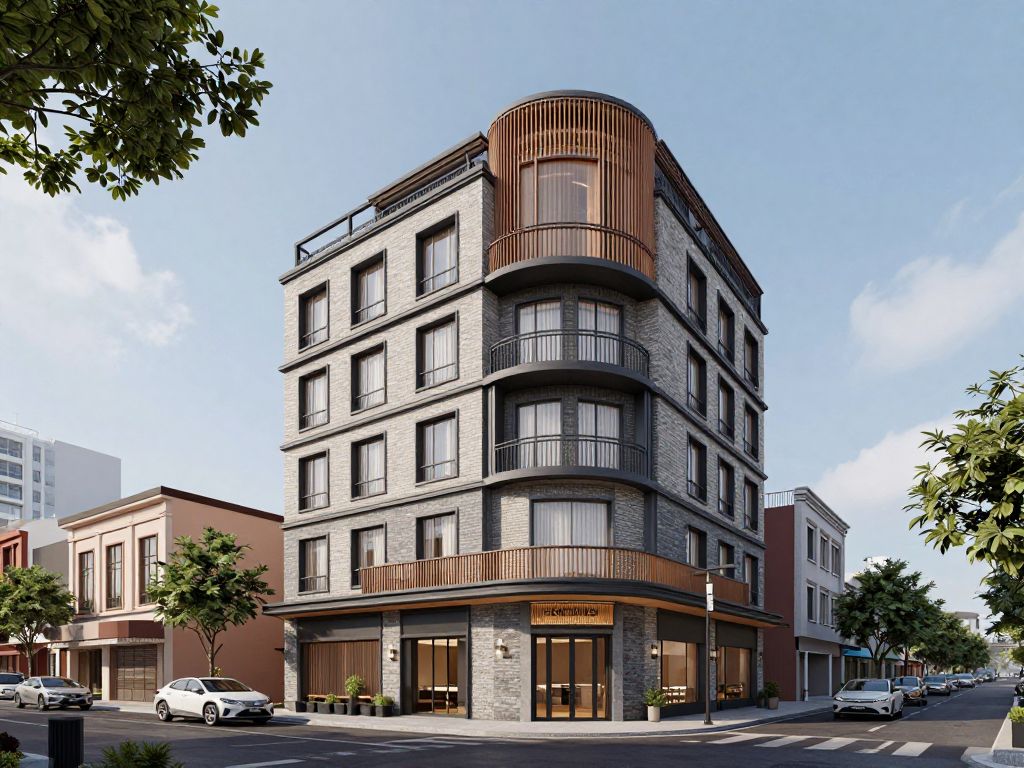
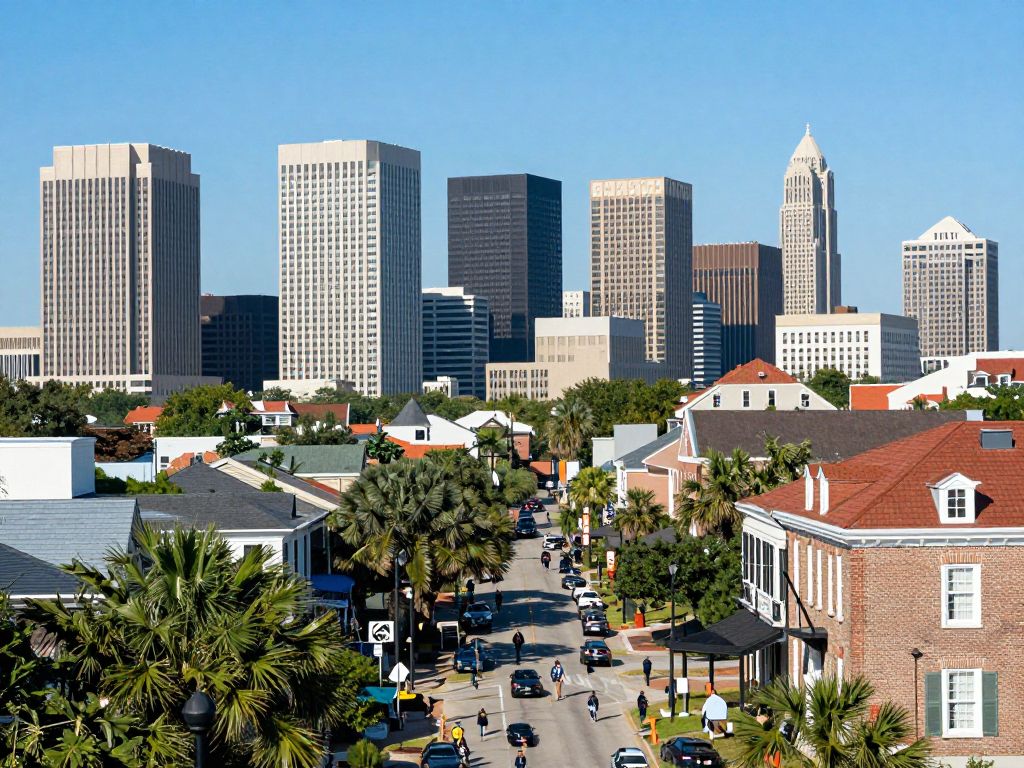
Charleston, South Carolina, faces a significant housing affordability crisis as the city experiences rapid population growth and rising living costs. Despite the addition of thousands of housing units statewide, local conditions reveal that Charleston lags behind in construction of affordable apartments compared to Columbia. City officials aim to address these challenges with initiatives like Project 3500 and the Charleston Workforce Housing Fund, targeting the creation of over 15,000 affordable units in the coming years to ensure community resilience and workforce retention.
Charleston: A Look at Housing Affordability in a Growing State
South Carolina continues to experience robust economic growth and a welcoming environment that attracts new residents, contributing to a vibrant statewide economy. This growth, however, brings with it a complex interplay of opportunities and challenges, particularly concerning housing affordability. While the entrepreneurial spirit of Charleston SC business leaders and the overall Charleston County economy thrive, ensuring accessible housing for all residents remains a crucial endeavor for sustained prosperity and community resilience.
The Palmetto State has seen a significant influx of people, with 41,921 housing units added statewide for the year, indicating a dynamic housing market. [cite: 10 of original prompt] This expansion reflects a broader positive trend for South Carolina, which continues to attract individuals and families seeking new opportunities and a high quality of life. However, local conditions vary, and some areas face unique pressures. A recent study highlights a notable trend: Columbia is reportedly constructing more affordable apartment units compared to both Charleston and Greenville. This finding prompts a closer look at the differing approaches and outcomes in these key South Carolina metropolitan areas.
South Carolina’s Diverse Housing Landscape
South Carolina is known for its relatively low cost of living compared to many other states. Yet, this statewide affordability often contrasts sharply with the realities in its burgeoning urban centers. Areas like Charleston, Greenville, and Columbia each present distinct housing market dynamics. While the state strives to accommodate its growing population, the pace and type of housing development play a critical role in determining accessibility for diverse income levels. Columbia’s reported lead in building affordable apartments suggests a potential advantage in addressing the housing needs of its workforce and community members.
Charleston’s Affordability Challenges Intensify
Charleston, a hub for Lowcountry economic growth, is currently navigating a significant affordable housing crisis. This challenge is primarily driven by escalating living costs and a rapid surge in population. The median home sale price in Charleston was $621,750 as of December 2025, and the median rent stood at $2,100 per month during the same period. Other data from February 2026 indicates the median rent for all bedroom counts and property types in Charleston, SC, is $2,650, which is higher than the national average. The average rent for apartments ranges between $1,203 and $1,679 in 2026, with a 1-bedroom apartment averaging $1,543. This makes Charleston one of the most unaffordable U.S. counties for homeownership.
The discrepancy between population growth and housing supply is stark. Over the past decade, Charleston’s population increased by approximately 28,000 residents, but only about 16,000 new houses were constructed during that period. This imbalance exacerbates demand, driving up prices and creating fierce competition for available housing. The presence of high-income industries, including aerospace, automotive, and tech, further intensifies this competition, placing additional strain on housing accessibility for many.
Addressing the Housing Gap: Initiatives in Charleston
Despite the challenges, leaders and communities in Charleston are actively pursuing solutions to the affordable housing crunch. As of July 1, the city had over 5,800 existing affordable housing units, with an additional 815 units either proposed or under active development. The city has set an ambitious goal to exceed 15,000 affordable housing units by 2030, aiming to eliminate existing affordability gaps. However, the demand continues to outpace supply, leading to the closure of waiting lists for public housing and Section 8 programs managed by the Charleston County Housing and Redevelopment Authority, with between 2,200 and 2,900 individuals currently on the waiting list for the Charleston Housing Authority.
Recognizing the urgency, Charleston County Council approved the creation of a housing trust fund in February 2024, dedicating $4.15 million annually for affordable housing initiatives. Furthermore, the City of Charleston has launched “Project 3500,” an initiative led by Mayor Cogswell with the goal to deliver 3,500 net new affordable housing units across the city by 2032. This strategic partnership between the City of Charleston, the Charleston Housing Authority, and the WestEdge Foundation will utilize new development sites and redevelop existing properties, employing a “build first” approach to prevent resident displacement. The project emphasizes creating mixed-income communities with Charleston-inspired architecture.
Another innovative approach is the Charleston Workforce Housing Fund, an initiative designed to create affordable workforce housing across the tri-county region. This fund has secured $50 million in committed investor capital, aiming to acquire, rehabilitate, and preserve the affordability of 1,000 multifamily apartment units for at least 20 years. This strategy focuses on preserving existing housing stock as a cost-effective alternative to new construction, supporting essential workers and enabling them to continue living and thriving in the region.
The Role of Regulation in Development
The regulatory environment significantly influences housing development costs and timelines. Studies indicate that while necessary for safety and sustainability, regulations can also increase project costs, prolong approval processes, and exacerbate affordability challenges. Streamlining regulations and permitting processes is often advocated as a method to accelerate housing development and promote a more responsive market. A balanced approach to regulation can foster an environment where South Carolina entrepreneurs and developers can innovate and build without unnecessary burdens, ultimately contributing to more housing options.
Future Outlook for Charleston Small Business and Economic Growth
Charleston’s economy continues to show impressive diversification and growth, driven by key sectors such as port access, tourism, aerospace, automotive, IT, and defense. Job growth in the region is projected to exceed the U.S. average, signaling a positive economic future. However, the sustained success of Charleston small business and the overall Charleston County economy hinges significantly on addressing housing affordability. A readily available and affordable housing supply is crucial for attracting and retaining the talented workforce necessary to fuel this economic engine. As new apartment development in the Charleston metro area is experiencing a significant slowdown, with completions projected to decline in 2025 due to factors like high interest rates, innovative solutions and collaborative efforts become even more vital.
The initiatives currently underway, combining public-private partnerships, dedicated funding, and strategic planning, demonstrate a commitment to tackling this complex issue. By fostering an environment that encourages private investment, thoughtful community development, and a streamlined regulatory framework, Charleston can continue to build upon its economic strengths while ensuring its vibrant community remains accessible to all.
Conclusion
The narrative of housing affordability in South Carolina is one of contrasts, with Columbia showing a proactive edge in affordable apartment construction while Charleston grapples with persistent challenges amidst its robust economic expansion. The ongoing efforts in Charleston, including Project 3500 and the Charleston Workforce Housing Fund, highlight a determined spirit to address these issues through innovation and community-driven solutions. For Charleston SC business, the ability to provide attainable housing is not merely a social concern but a fundamental economic imperative. Supporting local businesses and engaging in constructive dialogue about housing solutions are critical steps towards securing a prosperous and inclusive future for Charleston.
Key Housing Market Features: Charleston vs. Columbia
| Feature | Charleston, SC | Columbia, SC | Source / Scope |
|---|---|---|---|
| Affordable Apartment Construction | Building fewer than Columbia and Greenville. | Building more than Charleston and Greenville. | State-level comparison |
| Affordability Status | Among most unaffordable US counties to own a home. Significant affordable housing crisis. | Often offers more affordable options for homebuyers. | Charleston: Nationwide / Columbia: State-level |
| Existing Affordable Units (approx.) | Over 5,800 existing affordable housing units (as of July 1). | Not explicitly stated in provided information. | Charleston: Local |
| Affordable Units Proposed/In Development (approx.) | 815 units proposed or in development (as of July 1). | Not explicitly stated in provided information. | Charleston: Local |
| Goal for Affordable Units | Exceed 15,000 units by 2030 to eliminate affordability gaps. Project 3500 aims for 3,500 net new affordable units by 2032. | Not explicitly stated in provided information. | Charleston: Local |
| Median Home Sale Price | $621,750 (as of December 2025). $430,000 (2025) $621,750 (as of December 2025) | $270,000 (2025) $258,000 (as of December 2025) | State-level comparison |
| Median Apartment Rent | $2,100 per month (as of December 2025). $2,650 (as of February 2026, for all bedroom types) Average between $1,203 and $1,679 (2026). | Not explicitly stated in provided information. | Charleston: Local |
| Population Growth vs. Housing Construction (Past Decade) | Population surged by approx. 28,000 residents; only approx. 16,000 new houses constructed. | Not explicitly stated in provided information. | Charleston: Local |
| New Apartment Development Trend | Slowing significantly, 43% down year-over-year in units under construction (end of 2024). Completions projected to decline >73% in 2025. | Not explicitly stated in provided information. | Charleston: Local |
| Statewide Housing Units Added | 41,921 housing units added statewide for the year. [cite: 10 of original prompt] | State-level [cite: 10 of original prompt] | |
Deeper Dive: News & Info About This Topic
HERE Resources
Charleston Industrial Boom: Major Facility Sale Signals Economic Strength
Greystar Expands Senior Living Management Platform
Charleston Habitat’s Match Program Enhances Homeownership
Crafting Charleston’s Charm: Michael Bennett’s 50-Year Hospitality Journey
Charleston Gears Up for Nation’s 250th Anniversary with Major Investment
Decoy Bar Elevates Mount Pleasant’s Nightlife Scene
Chicago Investor Expands into Charlotte’s Apartment Market
Exploring Top U.S. Travel Destinations for Entrepreneurs
Lowcountry Investment Surges: New Summerville Apartments & Historic B&B Spark Interest
Charleston to Celebrate America’s 250th Anniversary with $3M Boost