
Everett, Washington, February 11, 2026
Boeing’s major expansion at its Everett, Washington facility, which includes a new production line for the 737 MAX 10, reflects a strong demand in the aviation sector and offers valuable insights for economic growth in Charleston, South Carolina. The initiative aims to enhance manufacturing capacity and job creation, emphasizing the role of strategic private investment and the interconnectedness of industrial operations between regions. As Charleston invests in its aerospace industry, it can learn from Everett’s successes to promote its own economic vitality.
Everett, Washington is buzzing with a significant industrial development that holds broader lessons for communities like Charleston, South Carolina, focused on fostering economic vitality and growth. The aerospace giant Boeing recently announced a major expansion at its Everett facility, a move that signals robust demand in the aviation sector and underscores the transformative power of strategic private investment. For Charleston, a city deeply invested in its own aerospace industry, this expansion in the Pacific Northwest provides a compelling case study in entrepreneurial innovation and the long-term benefits of a dynamic business environment.
The news from Everett reflects a commitment to advanced manufacturing and job creation, themes that resonate strongly with our own ambitions for the Lowcountry’s economic future. It highlights how proactive business decisions and sustained industrial activity can generate significant opportunities, reinforcing the importance of nurturing industries that provide stable, high-value employment and drive regional prosperity.
Boeing’s Strategic Shift in Production
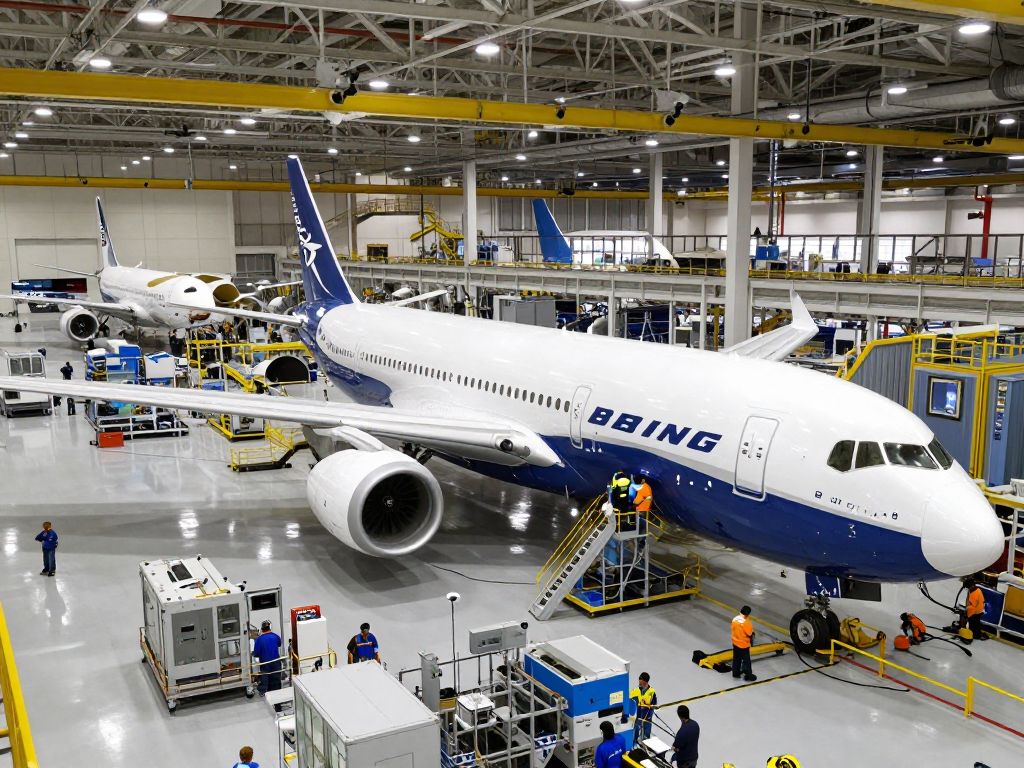
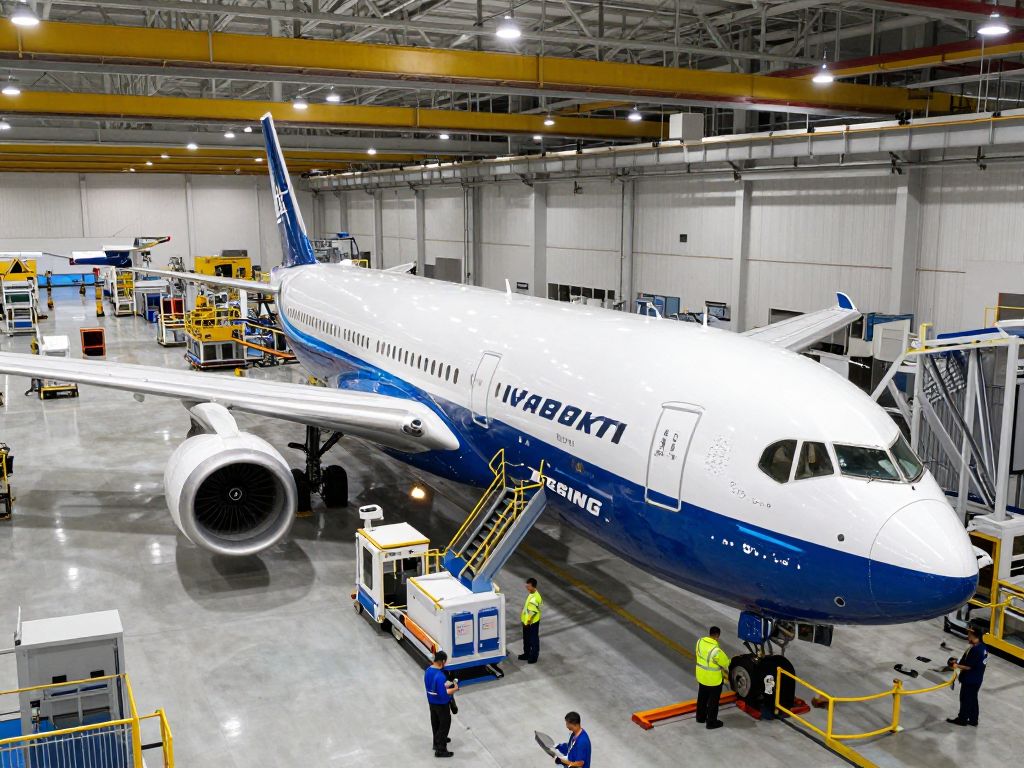
Boeing is set to introduce a fourth 737 MAX production line, known as the “North Line,” at its Everett, Washington facility, with operations slated to begin in mid-summer. This new assembly line will be exclusively dedicated to the 737 MAX 10, the largest variant within the 737 family, which the company anticipates certifying in the near future. Traditionally recognized for producing widebody jets such as the 747 and 777, the Everett plant will now host its first full narrowbody assembly operation.
This expansion represents Boeing’s first significant growth initiative in Washington state since 2016. The primary objective behind establishing the North Line is to boost overall 737 MAX production capacity and streamline manufacturing processes. Boeing aims to increase its monthly output from 38 jets to 42, with plans to further elevate production by approximately 15% over the next 18 months, targeting 47 jets per month, and potentially reaching 63 jets per month in the coming years.
Connecting the Coasts: Everett and Charleston’s Industrial Synergy
What makes this development particularly relevant to Charleston, South Carolina, is the strategic utilization of existing industrial infrastructure. The space now being repurposed for the new 737 MAX line in Everett became available following the conclusion of 747 production and the complete relocation of 787 assembly to Boeing’s facility in North Charleston, South Carolina. This industrial reallocation underscores a broader trend in aerospace manufacturing where companies optimize their global footprints to enhance efficiency and meet market demands. Charleston has benefited significantly from this strategic focus, becoming a key hub for 787 Dreamliner production.
This dynamic interplay between Washington and South Carolina facilities demonstrates how large enterprises adapt to evolving market needs. While Everett focuses on boosting narrowbody production, Charleston continues to solidify its role in widebody assembly. This interconnectedness highlights the importance of regional specialization and the benefits that accrue when communities position themselves to attract and retain significant industrial investments.
The Economic Ripple Effect of Manufacturing Expansion
Large-scale manufacturing expansions, such as Boeing’s investment in Everett, typically generate substantial economic benefits for local communities. The addition of manufacturing facilities often leads to a surge in employment opportunities, which in turn stimulates broader economic growth. These new jobs provide individuals with higher wages, more disposable income, and enhanced financial security. Average manufacturing jobs in the U.S. typically offer middle-class wages, ranging between $45,000 and $85,000 annually.
The economic impact extends beyond direct employment. Increased consumer spending by manufacturing workers benefits numerous other local businesses, including restaurants, shops, and service providers. This ripple effect helps to strengthen the local economy, creating a virtuous cycle of growth and opportunity. Manufacturing facilities also contribute to the local tax base, providing governments with additional funds that can be reinvested in public services and infrastructure, further enhancing the quality of life for residents.
The Mayor of Everett, Cassie Franklin, has openly welcomed the economic impacts of Boeing’s expansion, acknowledging the profound connection the community has with the aerospace company. This sentiment reflects a common understanding in communities that host major industrial players: their success often translates directly into community prosperity.
Private Investment: The Engine of Sustainable Growth
The Boeing expansion serves as a prime example of how private investment acts as a crucial engine for long-term economic growth and social welfare. Research consistently shows that countries and regions with higher private investment rates tend to experience higher rates of growth. Private investment plays a pivotal role in creating jobs, generating income, and providing essential infrastructure and social services.
Private investors are often characterized by their willingness to bear risks and their focus on profit maximization, which can lead to resources being allocated to the most promising growth opportunities. This strategic deployment of capital fosters innovation and drives productivity increases, leading to sustained enhancements in total factor productivity and real GDP growth. For Charleston, attracting and retaining private sector investments remains paramount for ensuring continued economic dynamism and creating a robust environment for South Carolina entrepreneurs.
Cultivating a Pro-Growth Business Environment
While large-scale private investments are vital, the environment in which businesses operate also plays a significant role in fostering expansion and economic health. Policies that promote limited regulation and reduce administrative complexities can encourage innovation by freeing up resources that businesses can reinvest in new technologies, research, and development. Such an environment can also foster greater competition, enabling smaller firms to enter markets more easily, compete effectively, and contribute to job creation.
Conversely, excessive regulatory burdens can suppress investment, hinder productivity growth, and slow the formation of new businesses, disproportionately affecting small businesses and lower-income households. While regulatory oversight is necessary, a balanced approach that minimizes unnecessary red tape can significantly boost a state’s economic potential. It is also understood that regulatory pressures can influence the timing and nature of business expansion decisions, sometimes leading to more cautious or phased growth strategies to manage compliance costs. Communities seeking to attract major industrial players must consistently evaluate their regulatory frameworks to ensure they are conducive to private sector growth and innovation.
Looking Ahead for Charleston
The Boeing expansion in Everett, while geographically distant, offers valuable insights for Charleston, SC business leaders and policymakers. It underscores the enduring importance of a strong manufacturing sector, the catalytic role of private investment, and the benefits of a supportive business climate that encourages innovation and job creation. As Charleston County economy continues to evolve, drawing lessons from successful industrial developments nationwide can help further solidify our position as a hub for economic growth and entrepreneurial achievement. Supporting Charleston small business initiatives and advocating for policies that streamline operations and encourage investment are crucial steps toward securing a vibrant and prosperous future for the Lowcountry economic growth.
Key Features of Boeing’s Everett Expansion and Economic Impacts
| Feature | Description | Impact/Relevance |
|---|---|---|
| New Production Line | Fourth 737 MAX production line (“North Line”) in Everett, Washington. | Signifies major industrial growth in the aerospace sector. |
| Aircraft Focus | Dedicated to the 737 MAX 10, the largest 737 variant. | Addresses specific market demand for larger narrowbody aircraft. |
| Production Increase | Aims to increase monthly 737 MAX output from 38 to 42, targeting 47 in 18 months, and potentially 63 in future years. | Boosts overall production capacity and streamlines manufacturing. |
| Space Availability | Space made available by the end of 747 production and relocation of 787 assembly to Charleston, SC. | Highlights strategic industrial optimization and Charleston’s role in aerospace. |
| Job Creation | Manufacturing expansions create employment opportunities with higher wages. | Stimulates local economic growth and provides financial security for residents. |
| Economic Ripple Effect | Increased consumer spending benefits local businesses; contributes to tax base. | Strengthens community prosperity and supports public services and infrastructure. |
| Private Investment Role | Private investment drives long-term economic growth, innovation, and stability. | Crucial for attracting capital and fostering a dynamic business environment. |
| Regulatory Environment | Limited regulation can encourage innovation and competition; excessive burdens can hinder growth. | Policymakers must balance oversight with fostering an attractive environment for business expansion. |
Deeper Dive: News & Info About This Topic
HERE Resources
Philanthropy Fuels Innovation and Growth in Charleston
Boeing Consolidates 787 Engineering in North Charleston
Charleston’s Economic Horizon: Innovation Driving Growth
Chicago Investor Expands into Charlotte’s Apartment Market
Boeing Expands 787 Operations, Strengthening Charleston’s Economy
Lowcountry Investment Surges: New Summerville Apartments & Historic B&B Spark Interest
Charleston Opera Presents ‘The Barber of Seville’
Charleston Welcomes Classic Opera: Community Collaboration
Charleston Open Launches New Fan Hub to Enhance Engagement
Charleston’s Aerospace Ascent: More Boeing Work Flies to the Lowcountry