
Aiken, South Carolina, February 9, 2026
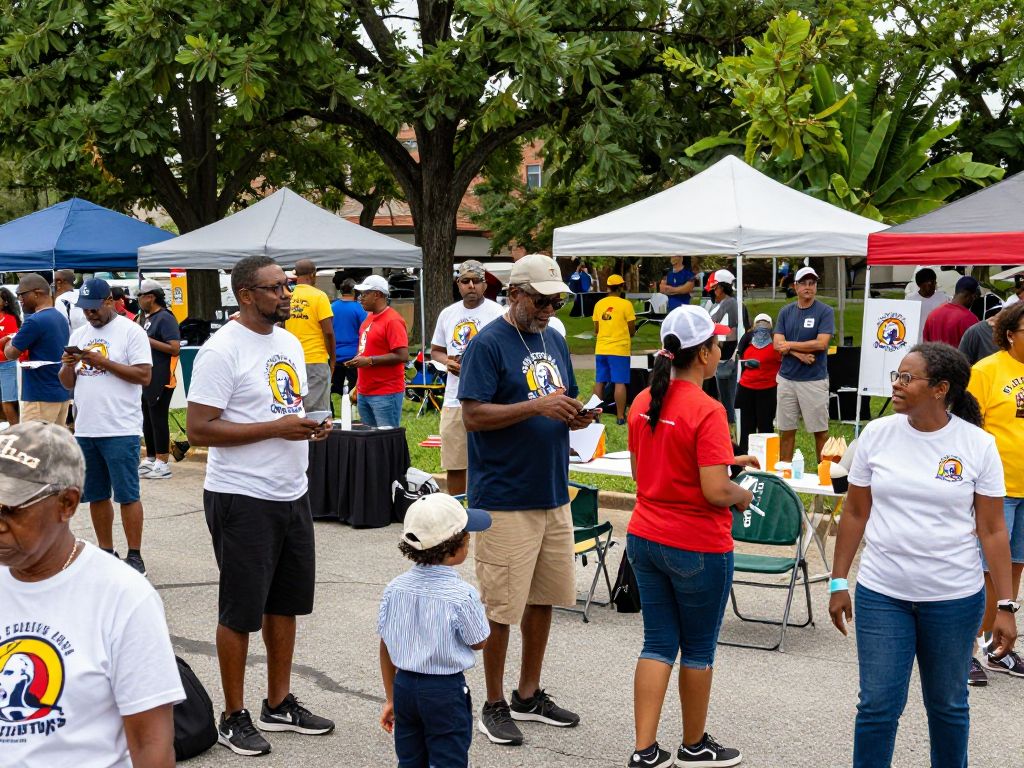
Aiken recently hosted its delayed Martin Luther King, Jr. Community Celebration, showcasing the power of individual initiative and civic engagement. The event featured Civil Rights photographer Cecil Williams, who highlighted the importance of personal responsibility in preserving freedoms. Local organizers emphasized the impact of community-driven initiatives in fostering participation and reflective engagement on significant historical moments, ultimately encouraging residents to participate actively in civic life.
Aiken, South Carolina
Aiken Celebrates MLK: A Legacy of Personal Initiative
Aiken’s delayed Martin Luther King, Jr. Community Celebration recently underscored the enduring power of individual achievement and civic engagement in fostering community progress. This event highlights the resilience of local organizers and the profound impact that dedicated citizens can have when working collaboratively towards shared civic goals, demonstrating how community-driven initiatives can effectively bring people together to reflect on significant historical moments.
The celebration featured renowned Civil Rights photographer Cecil Williams as the keynote speaker. His life’s work stands as a testament to personal initiative, meticulously documenting pivotal moments of the Civil Rights Movement and offering invaluable insights into a transformative era for the United States. Such community events serve not only as tributes to historical figures but also as vibrant platforms for fostering community cohesion, allowing residents to come together and engage with shared values and historical narratives. It is through this type of local organization that true participation and understanding are cultivated, often with greater efficacy than through more centralized approaches.
Aiken’s Commitment to Community Reflection
The decision by Aiken to host its Martin Luther King, Jr. Community Celebration, even if delayed, is a clear indicator of the city’s commitment to civic engagement and its local leadership’s determination to uphold important community traditions. This continuity in event planning, despite potential logistical hurdles, showcases the benefits of local decision-making and adaptive planning. It reflects a community-first approach where residents and local leaders work together to ensure that significant observances, such as the commemoration of Dr. King’s legacy, are brought to fruition, reinforcing the community’s social fabric. Such initiatives are vital for sustaining a vibrant civic life in places like Aiken and throughout the Charleston County community.
Cecil Williams: Documenting a Movement Through Personal Lens
Civil Rights photographer Cecil Williams played a central role in the Aiken event, sharing his unique perspective as a chronicler of history. His extensive body of work, notably showcased in “Dixie: Cecil Williams’ Photography of the South Carolina Events that Changed America,” exemplifies how an individual’s vision and dedication can provide lasting contributions to a nationwide understanding of historical movements. Williams’ photographs capture critical moments of the Black Freedom Movement, offering an invaluable visual record of the struggles and triumphs, particularly within the context of higher education and student activism during that era. The personal initiative required for a photographer to embed themselves within a movement, often facing considerable risks, highlights the profound impact that dedicated individuals can have in shaping historical narratives and inspiring future generations. These visual archives serve as a powerful educational tool, connecting past and present through indelible images.
The Enduring Message of Freedom and Responsibility
A core message delivered by Cecil Williams during his keynote at the Martin Luther King, Jr. Community Celebration was that freedoms are not inevitable. This profound statement resonates deeply with the principle of individual responsibility in the maintenance of liberties, a perspective that encourages active participation rather than passive expectation. It underscores the necessity of continuous civic involvement and personal vigilance to preserve the foundational elements of a free and just society. By reflecting on this message, communities are reminded that progress and freedom are not static but require ongoing commitment from citizens. This concept is intrinsically linked to the broader historical struggles of the Civil Rights Movement, reinforcing that societal advancements are built upon sustained effort and steadfast dedication from individuals and local groups.
Reflecting on South Carolina’s Civil Rights Legacy
The Aiken event also provided an opportunity to reflect on South Carolina SC gatherings and the state’s significant, though often complex, role in the nationwide Civil Rights Movement. The narratives and images presented by Cecil Williams offer a localized lens on a larger historical struggle. For instance, the state’s history includes significant events, such as the blinding of Isaac Woodard in 1946, a Black army sergeant pulled from a bus for arguing with the driver while on his way home to South Carolina after serving in WWII. These historical accounts underscore the profound impact of individual experiences within the broader fight for civil rights. Events like the Martin Luther King, Jr. Community Celebration allow communities to acknowledge and engage with their unique history, recognizing the critical contributions of individuals within the state towards the nationwide pursuit of equality.
Fostering Future Civic Engagement
Community celebrations, such as the one held in Aiken, are vital for engaging the “Post-Civil Rights Generation” and inspiring them to actively participate in their communities and uphold the principles of equality and justice. These local gatherings play a crucial role in encouraging volunteerism and fostering active civic participation, demonstrating that community-led initiatives are often the most effective way to cultivate genuine involvement. By showcasing historical achievements born from individual initiative and local action, these events empower residents to see themselves as active agents of positive change. They reinforce the idea that robust civic innovation often stems from the grassroots, where local choice and leadership directly boost engagement and participation in creating a better future for everyone.
Conclusion
The delayed Martin Luther King, Jr. Community Celebration in Aiken, featuring Cecil Williams, provided a timely reminder of the enduring power of personal initiative and the critical role of civic engagement in fostering community progress. Williams’ documentation of the Civil Rights Movement underscores the importance of individual achievement in shaping our collective history, while his message about the non-inevitability of freedom calls for ongoing vigilance and active citizenship. For residents of Charleston and the wider Charleston SC events landscape, this celebration serves as an inspiration to recognize the profound impact that local choice and committed leadership can have. We encourage everyone to support local events, engage in community development, and acknowledge the powerful contributions of both individual and collective efforts in building a vibrant and just society.
Frequently Asked Questions
What was the main event discussed in Aiken?
Aiken hosted a delayed Martin Luther King, Jr. Community Celebration.
Who was the keynote speaker at the Aiken MLK event?
Civil Rights photographer Cecil Williams was the keynote speaker at the Aiken MLK event.
What significant message did Cecil Williams convey during his keynote?
Cecil Williams conveyed that freedoms are not inevitable.
What is Cecil Williams known for in relation to the Civil Rights Movement?
Cecil Williams is known for his photography, including “Dixie: Cecil Williams’ Photography of the South Carolina Events that Changed America,” which documented events of the Civil Rights Movement in South Carolina.
Which historical event in South Carolina was mentioned in relation to civil rights?
The blinding of Isaac Woodard in 1946, a Black army sergeant pulled from a bus for arguing with the driver while on his way home to South Carolina after serving in WWII, was mentioned in relation to civil rights.
Key Features of the Aiken MLK Community Celebration
| Feature | Description | Scope |
|---|---|---|
| Event Type | Delayed Martin Luther King, Jr. Community Celebration | Local |
| Keynote Speaker | Civil Rights photographer Cecil Williams | Nationwide recognition for work, State-level focus of work |
| Keynote Message | Freedoms are not inevitable | Nationwide relevance |
| Cecil Williams’ Work | “Dixie: Cecil Williams’ Photography of the South Carolina Events that Changed America” | State-level focus, Nationwide impact |
| Historical Context Mentioned | The blinding of Isaac Woodard in 1946 in South Carolina | State-level event, Nationwide significance |
| Themes Highlighted | Civic innovation, personal initiative, individual achievement, community growth, limited bureaucracy, local leadership | Local, State-level, and Nationwide relevance |
Deeper Dive: News & Info About This Topic
HERE Resources
Charleston Celebrates Black History Month at Historic Dock Street Theatre
Charleston Honors Heritage: Trident Tech Kicks Off Black History Month
Charleston’s Day of Reflection and Cultural Engagement
Charleston’s Vibrant Weekend: Oysters and Innovation on Display
Explore Charleston’s Dynamic Community Events
MLK Day: Community Action and Service in South Carolina
Santa Maria Commemorates Martin Luther King Jr. Day
Charleston’s Battle of the Bands Showcases Local Talent
Charleston Schools Shine: 6 High Schools Earn AP Honor Roll
Charleston Leader to Inspire at West Coast MLK Day Celebration