
Charleston, SC, February 4, 2026
A proposed bill in South Carolina aims to install cameras in all public special education classrooms to enhance safety and accountability. Advocates for the legislation argue that it will provide an additional layer of protection for vulnerable students, while opponents have raised concerns about privacy and financial implications for school districts. The community is encouraged to participate in discussions surrounding the bill as it seeks to promote transparency and trust within educational environments.
Charleston, SC
Transparency in Classrooms: South Carolina Bill Proposes Special Education Oversight
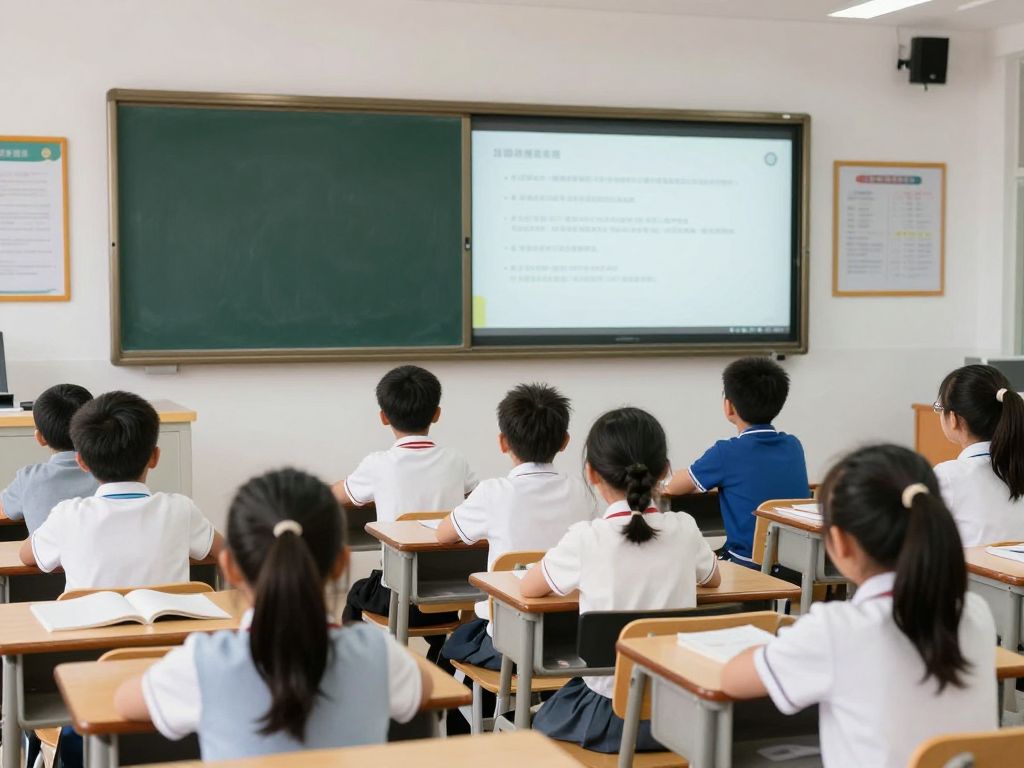
A proposed State-level bill in South Carolina aims to introduce cameras into special education classrooms, sparking discussions across communities, including our own in the Lowcountry. This legislative effort reflects a broader community push for enhanced accountability and safety within educational environments, emphasizing the critical role of parental involvement and robust oversight in safeguarding vulnerable students.
The initiative to mandate cameras in public special education classrooms underscores a growing desire among parents and advocates for increased transparency in educational settings. For many Charleston families, the well-being and academic progress of children with special needs are paramount, and discussions around this bill highlight the community’s commitment to ensuring every student receives a high-quality, secure learning experience. It represents an interesting dialogue on how technology and public policy can intersect to address community concerns and foster an environment of trust between educational institutions and the families they serve.
The Proposed Legislation: A Closer Look
State legislative leaders in South Carolina are actively considering a bill that would mandate the installation of cameras in all public special education classrooms. This proposed State-level legislation seeks to provide an additional layer of oversight and protection for students with special needs. The bill’s specifics are currently under review, but the central tenet involves requiring video recording capabilities within these specialized learning environments.
Rationale Behind the Bill: Ensuring Safety and Accountability
The primary impetus behind this State-level bill stems from a desire to enhance the safety and well-being of students in special education classrooms. Advocates for the bill emphasize the particular vulnerability of some students who may have limited communication abilities, making it challenging for them to report incidents of neglect or abuse. By introducing cameras, the legislation aims to deter potential misconduct and provide clear, objective evidence should concerns arise. This aligns with the principle that all children, particularly those requiring specialized care, deserve an environment where their personal achievement and safety are prioritized.
Parents often express a profound need for peace of mind, knowing their children are safe and properly cared for during school hours. The proposed cameras are seen by many as a vital tool to address these concerns, offering a mechanism for accountability for both students and staff. This move reflects a broader societal trend towards greater transparency in public services, fostering an environment where institutions are more responsive to the needs of the community.
Arguments Supporting Classroom Cameras
Proponents of the State-level bill highlight several key benefits. First and foremost is the enhanced safety and protection it could offer to vulnerable students. Cameras can serve as a deterrent against abusive behavior or neglect, ensuring that educators maintain a high standard of care. Secondly, in instances of disputes or allegations, video footage can provide impartial evidence, helping to resolve situations fairly and efficiently. This can protect both students who may be victims of misconduct and educators who may be falsely accused. For parents, the presence of cameras can offer significant reassurance, fostering greater trust in the educational system. Furthermore, the recordings could potentially be used for training purposes, allowing schools to review interactions and refine teaching strategies to better serve students with special needs. This focus on improving outcomes through accountability aligns with the entrepreneurial innovation seen in other sectors, where data and feedback drive continuous improvement.
Considering the Concerns: Privacy, Cost, and Morale
While the intentions behind the State-level bill are widely acknowledged as noble, several concerns have been raised by various stakeholders. Privacy is a significant issue, with questions arising about the rights of students and staff to be recorded throughout the school day. Balancing the need for transparency with individual privacy expectations is a complex challenge. There are also practical considerations regarding the storage, access, and security of potentially vast amounts of video data.
Another considerable factor is the financial implication for school districts across the State. The cost of purchasing, installing, and maintaining camera systems, along with the expenses associated with data storage and monitoring, could be substantial. Critics question whether these resources could be better allocated to other essential special education services, such as hiring more qualified staff, providing specialized training, or acquiring adaptive technologies. Concerns about the potential impact on teacher morale have also been voiced, with some educators feeling that constant surveillance could lead to a less spontaneous and more stressful classroom environment. This perspective underscores the delicate balance required when implementing new regulations that affect public sector professionals.
Implementing the Vision: Challenges and Pathways Forward
Should the State-level bill pass, the implementation phase would present several challenges and opportunities. Developing clear, consistent guidelines for camera operation, data retention, and access protocols would be crucial to address privacy concerns and ensure responsible use. Funding mechanisms would need to be established to support school districts in acquiring and maintaining the necessary technology without unduly burdening local budgets. This calls for thoughtful legislative planning and potentially exploring private investment or community partnerships to support such initiatives.
Engaging with educators, parents, and community leaders will be vital in navigating these complexities. Open dialogue can help to refine the legislation, ensuring it is practical, effective, and addresses the diverse needs of all stakeholders. The success of such a measure would ultimately depend on its ability to foster a more secure and accountable educational environment while respecting the professional autonomy of educators and the privacy of students. This legislative effort represents a collective endeavor to enhance the educational landscape for some of South Carolina’s most vulnerable students.
Conclusion: Fostering a Supportive Educational Environment
The proposed State-level bill to introduce cameras in special education classrooms in South Carolina represents a significant step towards enhancing accountability and safety within our public schools. As discussions continue in the legislature, the core aim remains to create the most supportive and secure environment possible for students with special needs. By fostering open dialogue and carefully weighing both the benefits and potential challenges, Charleston and the broader Lowcountry community can contribute to shaping policies that reflect our shared values of protection, transparency, and personal achievement for all. Remaining engaged in these State-level legislative efforts ensures that the voices of parents, educators, and community members are heard, helping to craft solutions that genuinely serve the best interests of our children and strengthen our local educational institutions.
Key Features of the South Carolina Classroom Camera Bill
| Feature | Description | Scope |
| Mandate | Requires cameras in all public special education classrooms. | State-level |
| Primary Objective | Enhance safety and accountability for students with special needs. | State-level |
| Key Benefit (Advocates) | Provides objective evidence for disputes and ensures student protection. | State-level |
| Primary Concern (Opponents) | Privacy implications for students and staff, and significant costs for districts. | State-level |
| Implementation Challenge | Funding, data storage, access protocols, and impact on teacher morale. | State-level |
Deeper Dive: News & Info About This Topic
HERE Resources
Charleston County Juvenile Detention Center Reaches Landmark Settlement
Boone Hall Celebrates Black History Month with Local Focus
Charleston’s Southern Events Showcase Community Spirit
Columbia Food & Wine Fest Unveils 2026 Lineup
74th Annual Camellia Flower Show Celebrates Local Horticulture
A Harmonious Blend of Art and Civic Spirit in Charleston
Charleston’s Day of Statewide Engagement Opportunities
Students Set to Shine in Regional School Choice Showcase
Charleston County School District Establishes Nonprofit Foundation
Internship and Clerkship Opportunities Through Charleston Law