
North Charleston, SC, February 4, 2026
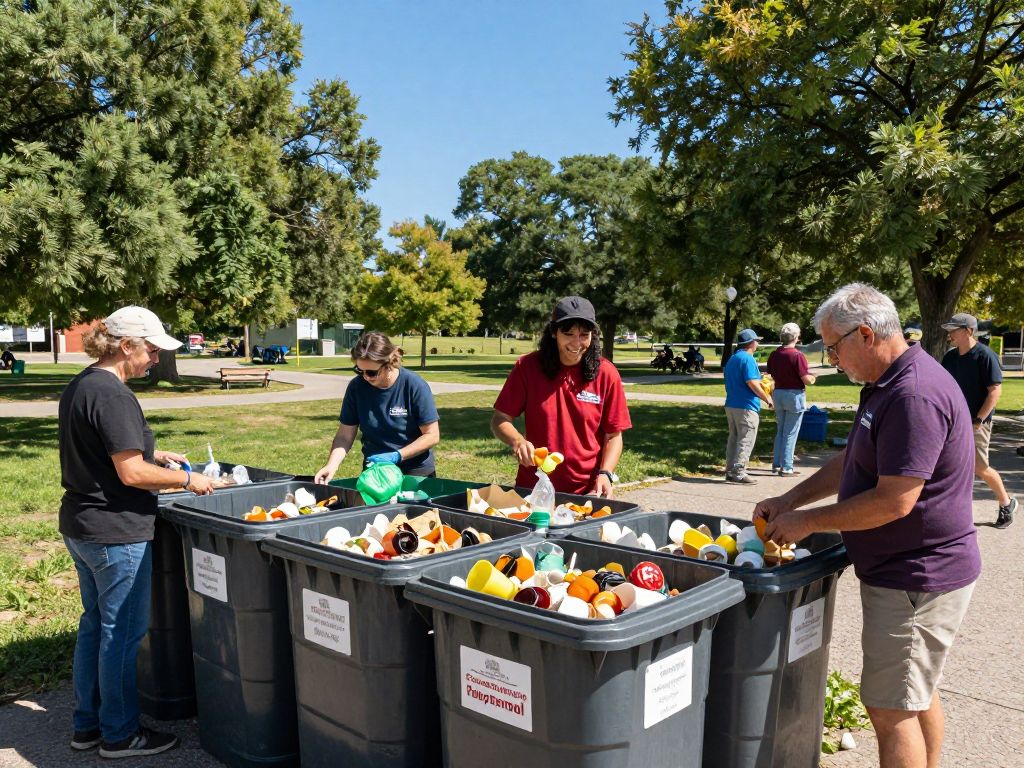
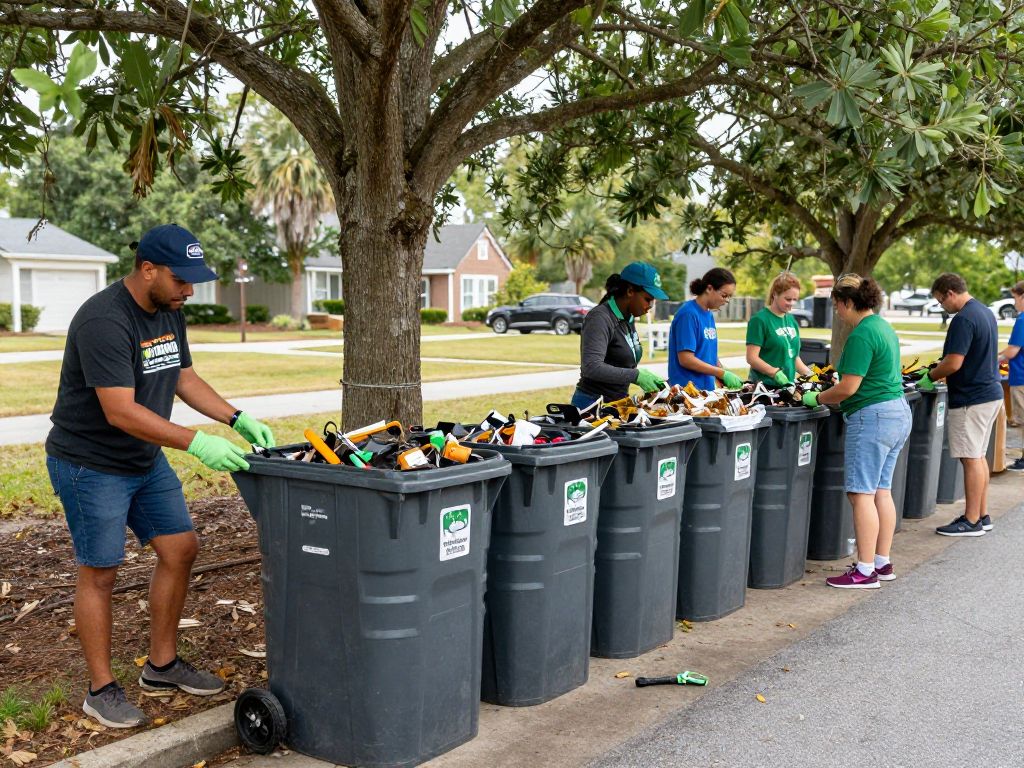
North Charleston, SC, has introduced a new residential compost drop-off site at Northwoods Park, enhancing local waste reduction efforts by allowing residents to transform food scraps into compost. This facility is part of a larger regional initiative led by the City of Charleston, aimed at promoting sustainable living and community collaboration. With a successful pilot project already in progress, the drop-off site reflects a growing commitment to environmental stewardship and civic engagement, encouraging residents to actively participate in waste management.
North Charleston, SC – In a move reflecting a growing commitment to civic innovation and personal initiative, North Charleston has recently unveiled a new residential compost drop-off site at Northwoods Park. This addition expands opportunities for residents to participate actively in waste reduction efforts, transforming everyday food scraps into a valuable resource for the community. The initiative highlights a collaborative spirit within the Charleston County community, demonstrating how localized efforts can yield significant environmental and communal benefits.
This expansion is part of a broader regional composting program, showcasing a practical approach to managing food waste that benefits all participating residents. By empowering individuals with accessible options for sustainable living, such programs underscore the effectiveness of community-driven solutions over more extensive, top-down mandates. It’s a testament to the idea that when local governments and citizens work together, focused on common goals, tangible progress can be achieved efficiently and effectively. This new site not only offers a convenient way to prevent food waste but also reinforces a shared sense of responsibility for environmental stewardship among South Carolina SC gatherings.
North Charleston Embraces Sustainable Living
North Charleston residents now have an enhanced avenue to engage in sustainable practices with the inauguration of a new residential food scrap drop-off site. This facility, strategically located at Northwoods Park, offers a convenient and free solution for individuals looking to divert food waste from traditional landfills. The site’s opening signifies a stride forward in promoting environmental responsibility through accessible community resources.
A Regional Partnership for Greater Impact
The establishment of the Northwoods Park site is an integral component of a wider regional composting initiative. This comprehensive program is orchestrated by the City of Charleston’s Mayor’s Office of Resilience and Sustainability, operating in concert with Charleston County and numerous other local municipalities. This collaborative framework demonstrates how coordinated inter-local efforts can effectively scale solutions for community-wide challenges, emphasizing local leadership and partnership.
The program started as a pilot project in early 2022, initially featuring three drop-off sites designed to assess the logistical feasibility of residential food scrap collection. Following a positive response and successful implementation, the program has since experienced significant growth, now encompassing more than 20 drop-off locations across Charleston County. North Charleston officially joined this expanding network in February 2024.
Transforming Waste into Resource: The Bees Ferry Facility
Once collected at drop-off sites like the one at Northwoods Park, food scraps embark on a journey to the McGill Bees Ferry Compost Facility in West Ashley. This facility plays a crucial role in the regional program by transforming organic waste into nutrient-rich compost. The process diverts thousands of tons of material from landfills annually, aligning with broader goals of resource conservation and environmental protection.
The Bees Ferry Compost Facility is the largest compost producer in the state and ranks among the largest on the East Coast. It processes not only food waste but also nearly 75,000 tons of yard waste annually, mixing these organic materials to create a valuable soil amendment. This innovative approach significantly extends the lifespan of landfills and supports local ecological health.
The Multifaceted Benefits of Composting
Composting offers a multitude of benefits that extend beyond simply diverting waste. By preventing food scraps from ending up in landfills, the program directly contributes to a reduction in greenhouse gas emissions, a key factor in combating climate change. Food waste accounts for a significant portion of collected garbage in the Charleston region, with over 30,000 tons discarded annually.
Furthermore, the resulting compost enriches soil, promoting healthier parks and gardens throughout the Charleston County community. This enhanced soil quality also boosts stormwater absorption capacity, providing a natural defense against flooding. By reducing the reliance on chemical fertilizers, composting supports healthier ecosystems and protects local wildlife, showcasing a proactive step in environmental preservation.
Empowering Individual Action and Participation
The success of the composting program relies heavily on the active participation of individual residents. To utilize the free drop-off sites, including the new location at Northwoods Park, residents must first sign up through the City of Charleston’s official composting portal. This simple registration process ensures efficient management of the sites and facilitates community engagement.
Accepted items for composting include a wide array of food scraps, such as vegetables, fruits, eggs and eggshells, bread, coffee and tea grounds, cooked meats, fish, bones, dairy products, food-soiled paper, and various processed foods. However, residents are reminded to exclude items like plastic, raw meat, chemical cleaners, non-food items, and fats, oils, or grease to maintain the integrity of the composting process.
Looking Ahead: Fostering a Greener Charleston County
The opening of the new compost drop-off site in North Charleston represents a positive step in fostering a more sustainable and resilient Charleston County. It exemplifies how local initiatives, fueled by individual action and community collaboration, can lead to tangible environmental improvements and enhance the quality of life for all residents. As the program continues to grow, it serves as an inspiring example of effective civic engagement and resource management within South Carolina SC gatherings, encouraging broader participation in building a greener future.
Frequently Asked Questions
Where is the new compost drop-off site located in North Charleston?
The new compost drop-off site in North Charleston is located at Northwoods Park.
What is the purpose of this new compost drop-off site?
The purpose of this new compost drop-off site is to provide residents with a new way to turn food scraps into compost and prevent food waste. It also helps manage food waste.
Is the North Charleston site part of a larger composting program?
Yes, the North Charleston site is part of a wider regional composting program managed by the City of Charleston’s Mayor’s Office of Resilience and Sustainability, in partnership with Charleston County and other municipalities.
Where do the collected food scraps go?
Collected food scraps are sent to the McGill Bees Ferry Compost Facility in West Ashley, where they are transformed into nutrient-rich compost.
What are the benefits of composting food waste?
Composting food waste saves landfill space, reduces greenhouse gas emissions, combats climate change, creates nutrient-rich soil for healthier parks and gardens, increases stormwater absorption capacity, and reduces the need for chemical fertilizers.
Do residents need to sign up to use the compost drop-off sites?
Yes, residents must sign up through the City of Charleston’s official composting portal to participate in the free drop-off program.
What types of items are accepted at the compost drop-off site?
Accepted items include vegetables, fruits, eggs and eggshells, bread, coffee and tea grounds, cooked meats, fish, bones, dairy products, food-soiled paper, and processed foods.
What items are NOT accepted at the compost drop-off site?
Items NOT accepted include plastic, raw meat, chemical cleaners, non-food items, and fats, oils, or grease.
Key Features of North Charleston’s New Compost Drop-off Site
| Feature | Description |
|---|---|
| Location | Northwoods Park, North Charleston |
| Purpose | To prevent and manage food waste by converting food scraps into compost |
| Accessibility | Free for residential use |
| Program Scope | Part of a regional composting program managed by the City of Charleston, in partnership with Charleston County and other municipalities |
| Processing Facility | McGill Bees Ferry Compost Facility in West Ashley |
| Key Benefits | Saves landfill space, reduces greenhouse gas emissions, creates nutrient-rich soil, combats climate change, protects against flooding, reduces reliance on chemical fertilizers |
| Participation Requirement | Residents must sign up through the City of Charleston’s official composting portal |
Deeper Dive: News & Info About This Topic
HERE Resources
Charleston Prepares for Halloween Festivities
Charleston and Las Vegas Engage in Earth Month Activities