
Columbia, South Carolina, October 25, 2025
News Summary
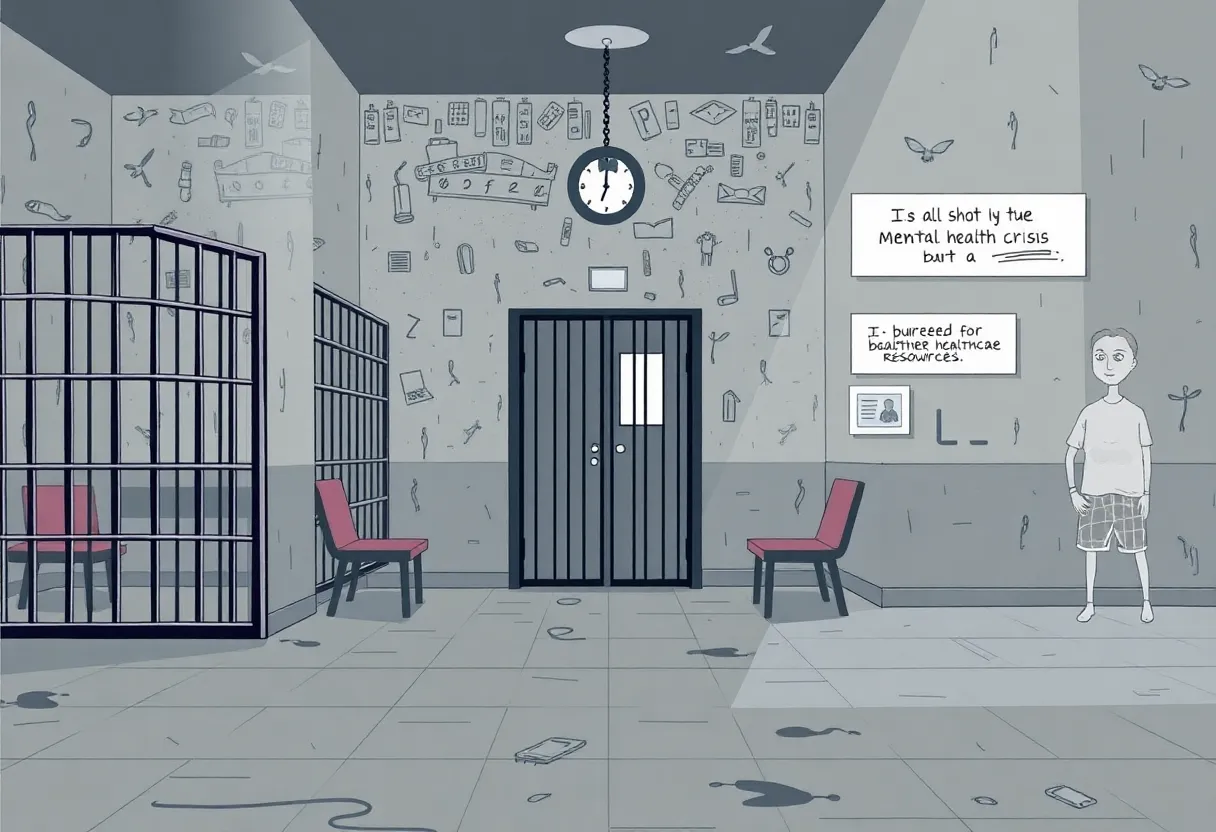
A recent report highlights a significant mental health crisis in South Carolina jails, with over half of inmates suffering from mental illness. Many face prolonged waits for treatment, leading to tragic consequences, including suicides. Advocates are calling for urgent improvements in mental health resources and care within the correctional system to prevent further tragedies.
Columbia, South Carolina – A startling report reveals that more than half of inmates in South Carolina jails suffer from mental illness, a situation exacerbated by a severe shortage of mental health resources. The lack of adequate treatment has resulted in prolonged waiting periods for court-ordered mental health care, with some inmates left waiting months or even over a year for necessary treatment. Tragically, this crisis has led to a rising number of suicides among incarcerated individuals.
Notable cases highlight the gravity of the situation. Forrest Kreider and Jordan Bell both committed suicide while awaiting treatment. Prior to his death in April 2024, Kreider had reported feelings of depression to jail staff multiple times. Despite being prescribed medication just a day before his suicide, he was left unsupervised. Kreider’s father voiced frustration about the lack of supervision given his son’s mental health struggles. Similarly, Jordan Bell showed signs of suicidal behavior prior to his death, indicating mental health assessments were inadequate. Bell had previously attempted suicide and was removed from suicide watch without thorough evaluation, further indicating gaps in proper mental health care.
A grim statistic reveals that between 2015 and 2021, over 80 inmates in South Carolina jails and prisons committed suicide. A significant lack of mental health care is evident across jails in the state; many facilities lack even essential treatment teams. The sole external mental health option, a facility in Columbia, has only 200 beds, which are frequently at capacity. As of September 26, 129 inmates were on a waitlist for beds at this facility, with 22 individuals waiting over 200 days for treatment.
Recent changes in legislation now allow jails to provide in-house mental health treatment, though many facilities still struggle with staffing shortages that hinder the implementation of these services. The South Carolina Department of Mental Health reported a 67% increase in competency restoration treatment orders since the pandemic, demonstrating escalating needs for mental health support among inmates.
In an effort to address this growing crisis, the Charleston County Jail is currently facing staffing shortages and is seeking additional funding to enhance its mental health services. Meanwhile, the case of D’Angelo Dontrel Brown underscores the dangerous consequences of gross medical negligence while incarcerated, prompting further scrutiny of systemic failures in inmate healthcare. Even as the Charleston County Jail transitions to a new healthcare provider, it continues to face lawsuits related to inmate deaths attributed to neglect.
Another concerning aspect noted within local facilities is the toll on indigent individuals, with 17 inmates laid to rest during Aiken County’s paupers’ funeral, demonstrating the dire circumstances some inmates face. There is an urgent call for improved mental health resources and screenings in jails to prevent further tragedies, as well as mental health screenings and treatment for corrections officers to address their mental well-being amidst these challenges.
The situation in South Carolina jails has reached a critical point, leading advocates to demand substantial improvements in mental health care for inmates to ensure their safety and well-being.
Frequently Asked Questions
What percentage of inmates in South Carolina jails suffer from mental illness?
More than half of inmates in South Carolina jails are reported to suffer from mental illness.
How long do inmates typically wait for court-ordered mental health treatment?
Inmates are waiting months, sometimes over a year, for court-ordered mental health treatment.
What has happened to inmates while waiting for mental health treatment?
Inmates, such as Forrest Kreider and Jordan Bell, have committed suicide while awaiting treatment.
What are the conditions of mental health resources in South Carolina jails?
Most facilities lack adequate resources to provide necessary mental health treatment.
What changes have been made to improve mental health treatment in jails?
A recent law permits jails to provide mental health treatment in-house, although many facilities still do not have the staff to execute this.
How many inmates have committed suicide in South Carolina jails in recent years?
Between 2015 and 2021, over 80 inmates in South Carolina jails and prisons committed suicide.
Key Features of the Mental Health Crisis in South Carolina Jails
| Feature | Details |
|---|---|
| Percentage of inmates with mental illness | Over 50% |
| Average wait time for mental health treatment | Several months, sometimes over a year |
| Recent suicide cases | Forrest Kreider and Jordan Bell |
| Suicides from 2015 to 2021 | Over 80 cases |
| In-house treatment law | Recent legislation allows jails to provide mental health treatment in-house |
| Resource availability | Lack of treatment teams; only 200 beds at the primary facility in Columbia |
Deeper Dive: News & Info About This Topic
HERE Resources
Lincolnville Tackles Failing Septic Systems with New Sewer Plan
Additional Resources
- Live 5 News: Proposed $113K Grant to Fund Mental Health Sessions for Charleston Co. Jail Staff
- ABC News 4: Inside SACDC – New Challenges for Charleston County’s Jail
- Post and Courier: South Carolina Dept. of Mental Health’s Role in Charleston County Jail
- New York Times: Investigation into South Carolina Jail Abuse
- Fox 5 Vegas: Concerns Over Maximum Security Mental Health Facility
- Wikipedia: Mental Health in Prison
- Google Search: Prison Mental Health Resources
- Google Scholar: Mental Health in Correctional Facilities
- Encyclopedia Britannica: Mental Health in Prisons
- Google News: South Carolina Jail Mental Health


Author: STAFF HERE CHARLESTON
The CHARLESTON STAFF WRITER represents the experienced team at HEREcharleston.com, your go-to source for actionable local news and information in Charleston, Charleston County, and beyond. Specializing in "news you can use," we cover essential topics like product reviews for personal and business needs, local business directories, politics, real estate trends, neighborhood insights, and state news affecting the area—with deep expertise drawn from years of dedicated reporting and strong community input, including local press releases and business updates. We deliver top reporting on high-value events such as the Spoleto Festival USA, Charleston Wine + Food Festival, and the MOJA Festival. Our coverage extends to key organizations like the Charleston Metro Chamber of Commerce and the Charleston Museum, plus leading businesses in tourism and maritime industries that power the local economy such as South Carolina Ports Authority and the Charleston Visitor Center. As part of the broader HERE network, including HEREaiken.com, HEREbeaufort.com, HEREchapin.com, HEREcharleston.com, HEREclinton.com, HEREcolumbia.com, HEREgeorgetown.com, HEREgreenwood.com, HEREgreenville.com, HEREhiltonhead.com, HEREirmo.com, HEREmyrtlebeach.com, HEREnewberry.com, HERErockhill.com, HEREspartanburg.com, HEREaustin.com, HEREcollegestation.com, HEREdallas.com, HEREhouston.com, and HEREsanantonio.com, we provide comprehensive, credible insights into South Carolina's dynamic landscape.