

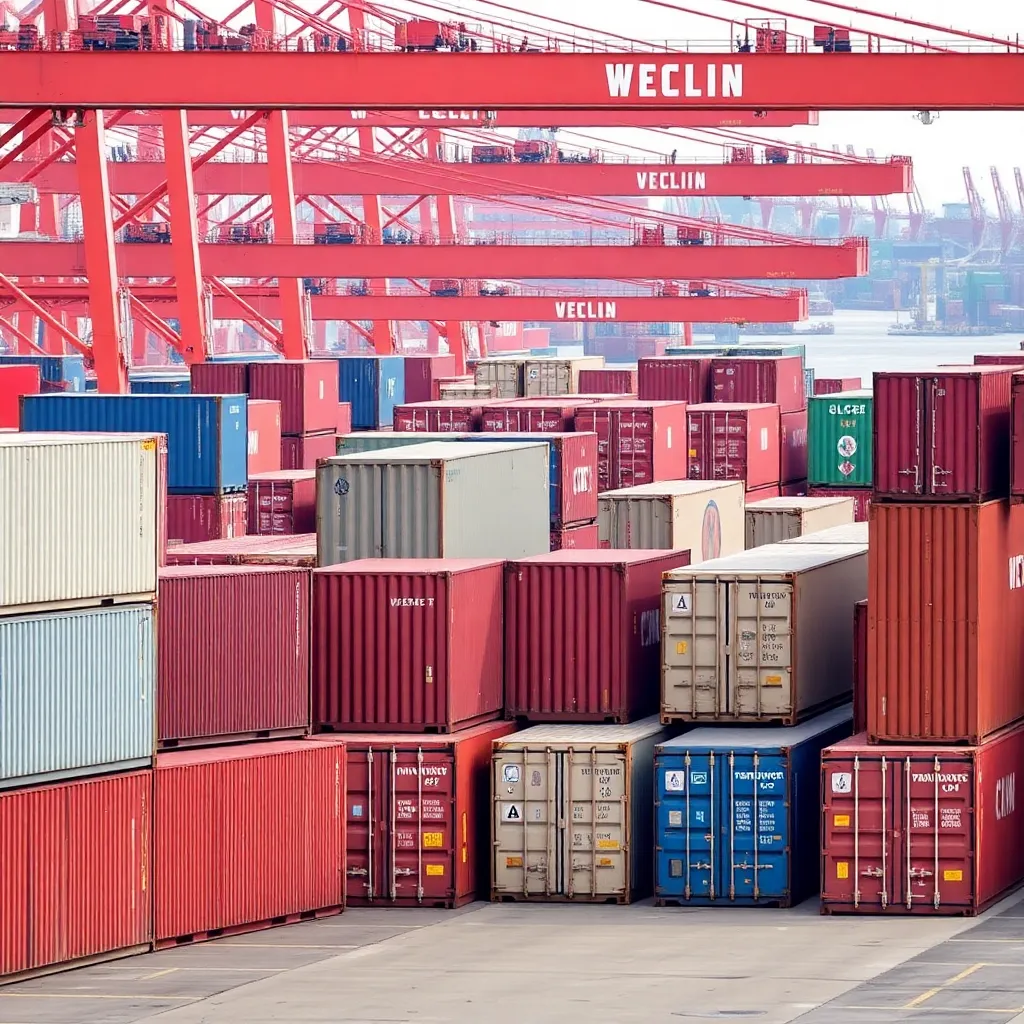
Chicago—A major logistics disruption has been reported across the United States due to an unprecedented surge in shipping traffic, significantly impacting delivery times and freight costs. Logistics companies and retailers are struggling to keep pace with the increased demand as the holiday season approaches, creating widespread implications for businesses and consumers alike.
On October 16, 2025, logistical experts noted that shipping congestion is currently at its highest, with delays measured in weeks rather than days. Reports indicate that previously standard delivery windows have extended dramatically, and the prices for freight shipping have risen sharply due to increased demand coupled with ongoing supply chain challenges.
Much of this surge is attributed to a resurgence in e-commerce activity as consumers continue to shift their shopping habits online. Nationally, the volume of goods being shipped has increased by approximately 30% in the past month alone, compared to the same period last year. This rapid growth in shipping demand has placed strain on transportation networks, particularly at major shipping hubs and ports.
Impact on Businesses
Retailers are feeling the pressure as shipping delays have started to affect inventory levels. Many small businesses are reporting that they are unable to meet customer demand due to delays in receiving shipments. Companies are now scrambling to find alternative shipping solutions, often at significantly higher costs, leading to increased prices for consumers.
In addition to rising shipping costs, companies are also facing challenges related to labor shortages within the logistics sector. Many distribution centers are understaffed, making it difficult to manage the increased volume of incoming products.
Consumer Response
Consumers, meanwhile, are beginning to change their shopping behaviors in response to the logistical issues. Some have started to plan their purchases ahead of time, attempting to avoid the last-minute rush that typically occurs during the holiday season. Others report frustration over delayed deliveries and rising prices in stores, with some consumers choosing to shop locally to avoid potential shipping issues.
Long-term Effects
The long-term effects of the current shipping upheaval could have lasting impacts on both retail and consumer habits. Experts suggest that the entire logistics industry may need to reassess practices to become more resilient against such surges in demand. Investments in technology, workforce training, and improving infrastructure could be necessary steps to ensure that the system can handle future spikes more effectively.
Additionally, the current situation may further catalyze the trend towards automation and digital solutions in logistics and retail sectors. Companies may increasingly turn to advanced logistics technologies, such as artificial intelligence and machine learning, to predict demand and streamline operations.
Historical Context
The current logistics disruption follows similar patterns observed during previous holiday seasons, particularly notable during the pandemic when abnormal shipping volumes created significant delays. The industry is now grappling with a compounded effect of ongoing economic recovery, increased consumer spending, and disrupted supply chains that have not yet fully stabilized.
As the calendar inches closer to the holiday season, logistics companies and retailers alike remain on alert, hoping to mitigate the ongoing issues and restore normalcy as quickly as possible. The upcoming weeks will be critical in determining the efficacy of strategies adopted to navigate this unprecedented surge.