
Charleston, SC, September 11, 2025
News Summary
The Angel Oak tree on Johns Island is set to be nominated for the National Register of Historic Places due to its cultural significance and ongoing preservation efforts. This 500-year-old landmark, cherished for its history and ecological importance, could become South Carolina’s first stand-alone tree on the register, drawing over 400,000 visitors annually. As part of preservation plans, the Angel Oak Preserve aims to enhance education and ecology while honoring its role in the civil rights movement.
Charleston, South Carolina: Angel Oak Tree May Gain Historic Designation
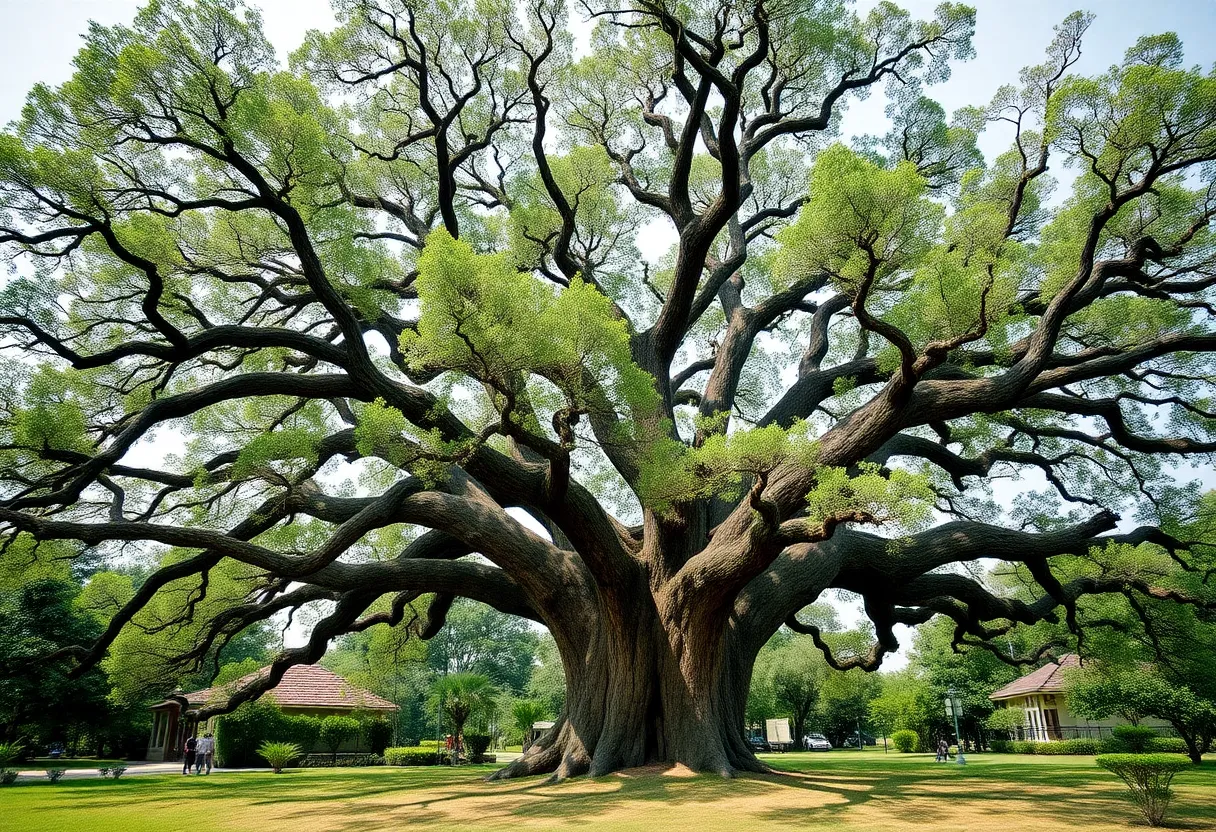
The Angel Oak tree, an iconic landmark located on Johns Island, is poised for inclusion in the National Register of Historic Places, following continuous preservation efforts. The tree, estimated to be at least 500 years old, is a significant cultural site in Charleston County, which is historically racially segregated. Its application to the National Register is being prepared by the Lowcountry Land Trust and the S.C. Department of Archives and History.
If the application is approved, the Angel Oak will become not only South Carolina’s first stand-alone tree on the National Register but also one of the few such designations across the United States. The site attracts over 400,000 visitors annually, serving as a living monument to both nature and history.
Historical Significance
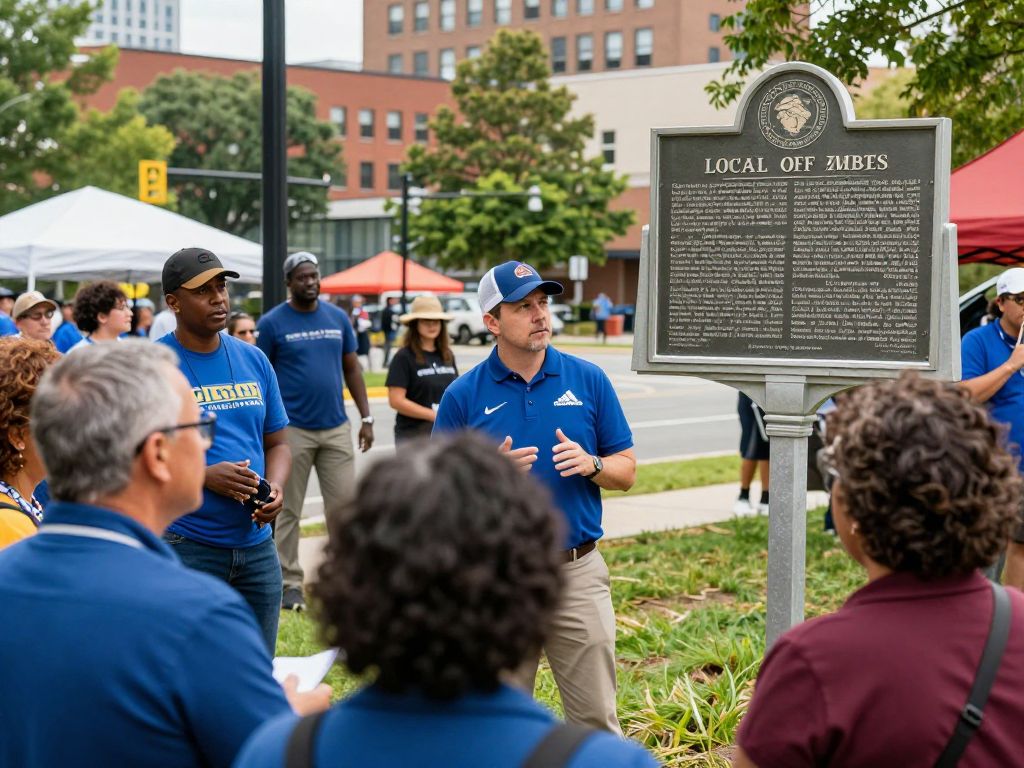
The Angel Oak tree has long been a gathering place for important historical figures. In 1916, renowned civil rights activist Septima P. Clark taught on Johns Island; her students often visited the Angel Oak during their breaks. Additionally, it provided a space for leaders such as Esau Jenkins and Martin Luther King Jr. during pivotal moments in the civil rights movement.
Yvonne Clark-Rhines, the granddaughter of Septima Clark, acknowledged her grandmother’s connection to the tree, underlining its importance in local history and the ongoing fight for equality.
Preservation Plans
The initiative to preserve the Angel Oak includes a plan for the Angel Oak Preserve, which aims to raise $13 million to create an area dedicated to the protection and interpretation of the tree’s history. Currently, the site lacks cultural interpretation, but efforts are being made to address this gap for visitors, enhancing their understanding of the tree’s significance.
An agreement between the city of Charleston and the Land Trust is nearing completion, making the city the official custodian of the tree. Planned upgrades include a pervious parking lot and walking trails designed to protect the tree’s extensive root system while improving the visitor experience.
Ecological and Educational Initiatives
The preservation of the Angel Oak is seen as a crucial intersection between ecology and culture, with ongoing efforts to restore native plant habitats and remove invasive species surrounding the tree. This initiative reflects the community’s commitment to not only safeguarding the tree but also enhancing the overall ecological landscape of the area.
Construction for the Angel Oak Preserve is expected to commence in 2026, with an anticipated opening date in 2027. Plans for the site include educational programs and amenities intended to foster greater appreciation for the heritage of the tree and the region.
Community Support
The development of the preserve has seen strong community backing, highlighted by the naming of the entrance road as “Protected Path”, which reinforces the commitment to protect the area around the Angel Oak. These efforts, along with the upcoming historic designation, aim to solidify the tree’s role as a cherished landmark and educational resource.
Conclusion
As preservation efforts expand and recognition grows, the Angel Oak continues to stand as a testament to both the natural world and the cultural history of South Carolina. Its potential placement on the National Register signifies a pivotal moment for a site that is integral to the local community and its rich heritage.
FAQ
What is the Angel Oak tree?
The Angel Oak tree is located on Johns Island in South Carolina and is estimated to be at least 500 years old. It is a significant historical landmark attracting over 400,000 visitors each year.
Why is the Angel Oak tree important?
The Angel Oak tree holds significant historical and cultural importance, having been a gathering place for civil rights leaders and a landmark in a historically racially segregated area.
What are the plans for the Angel Oak Preserve?
Plans for the Angel Oak Preserve include raising $13 million for preservation efforts, creating educational programs, and enhancing visitor facilities with a parking lot and walking trails while protecting the tree’s roots.
Key Features of the Angel Oak Tree
| Feature | Details |
|---|---|
| Age | At least 500 years |
| Annual Visitors | Over 400,000 |
| Cultural Significance | Historical site for civil rights leaders |
| Preservation Goal | $13 million |
| Proposed Opening Date | 2027 |
Deeper Dive: News & Info About This Topic
HERE Resources
Angel Oak Preserve Designated as Community Forest on Johns Island
Charleston Unveils Unique Hidden Destinations
Charleston Faces Urgent Preservation Challenges
Charleston Parks Set to Reopen Following Icy Weather
Tragic Fire Claims Life in Charleston
Charleston Mayor Cogswell’s Year in Review: Successes and Struggles
Journey of Rose Parade Floats Begins in Irwindale
Additional Resources
- Charleston City Paper: Iconic Angel Oak Poised for Top Honor
- Live 5 News: City Leaders Look to Plan Honoring 400-Year-Old Johns Island Angel Oak Tree
- Post and Courier: Angel Oak Preservation in Charleston
- The Travel: One of the Oldest Trees in the USA – Angel Oak
- Wikipedia: Angel Oak
- Google Search: Angel Oak


Author: STAFF HERE CHARLESTON
The CHARLESTON STAFF WRITER represents the experienced team at HEREcharleston.com, your go-to source for actionable local news and information in Charleston, Charleston County, and beyond. Specializing in "news you can use," we cover essential topics like product reviews for personal and business needs, local business directories, politics, real estate trends, neighborhood insights, and state news affecting the area—with deep expertise drawn from years of dedicated reporting and strong community input, including local press releases and business updates. We deliver top reporting on high-value events such as the Spoleto Festival USA, Charleston Wine + Food Festival, and the MOJA Festival. Our coverage extends to key organizations like the Charleston Metro Chamber of Commerce and the Charleston Museum, plus leading businesses in tourism and maritime industries that power the local economy such as South Carolina Ports Authority and the Charleston Visitor Center. As part of the broader HERE network, including HEREaiken.com, HEREbeaufort.com, HEREchapin.com, HEREcharleston.com, HEREclinton.com, HEREcolumbia.com, HEREgeorgetown.com, HEREgreenwood.com, HEREgreenville.com, HEREhiltonhead.com, HEREirmo.com, HEREmyrtlebeach.com, HEREnewberry.com, HERErockhill.com, HEREspartanburg.com, HEREaustin.com, HEREcollegestation.com, HEREdallas.com, HEREhouston.com, and HEREsanantonio.com, we provide comprehensive, credible insights into South Carolina's dynamic landscape.