
Charleston, September 5, 2025
News Summary
The National Weather Service in Charleston has revised the criteria for issuing flash flood warnings, effective August 1. This change aims to improve flood risk communication and better inform residents in the Tri-County area about increasing tidal flooding incidents. By lowering the threshold for what constitutes a flash flood, the NWS intends to enhance awareness and preparedness, especially in low-lying areas susceptible to flooding. With tidal flooding occurrences now occurring every 4 to 5 days, the new guidelines are a critical step for public safety in an evolving climate.
Charleston — The National Weather Service (NWS) of Charleston has announced a change in the criteria for issuing flash flood warnings and advisories, effective August 1. The adjustments aim to enhance consistency in flood risk communication and align with contemporary forecasting trends amid a rise in tidal flooding incidents in the region.
The crucial shift involves lowering the threshold for what is classified as a flash flood. Traditionally, a flood advisory has indicated expected minor flooding with little impact, while a flood warning signifies a more serious situation that threatens life or property. With the new criteria, residents in the Tri-County area can expect to see a dramatic increase in the number of flash flood warnings issued, particularly in urbanized regions where flooding risks have intensified.
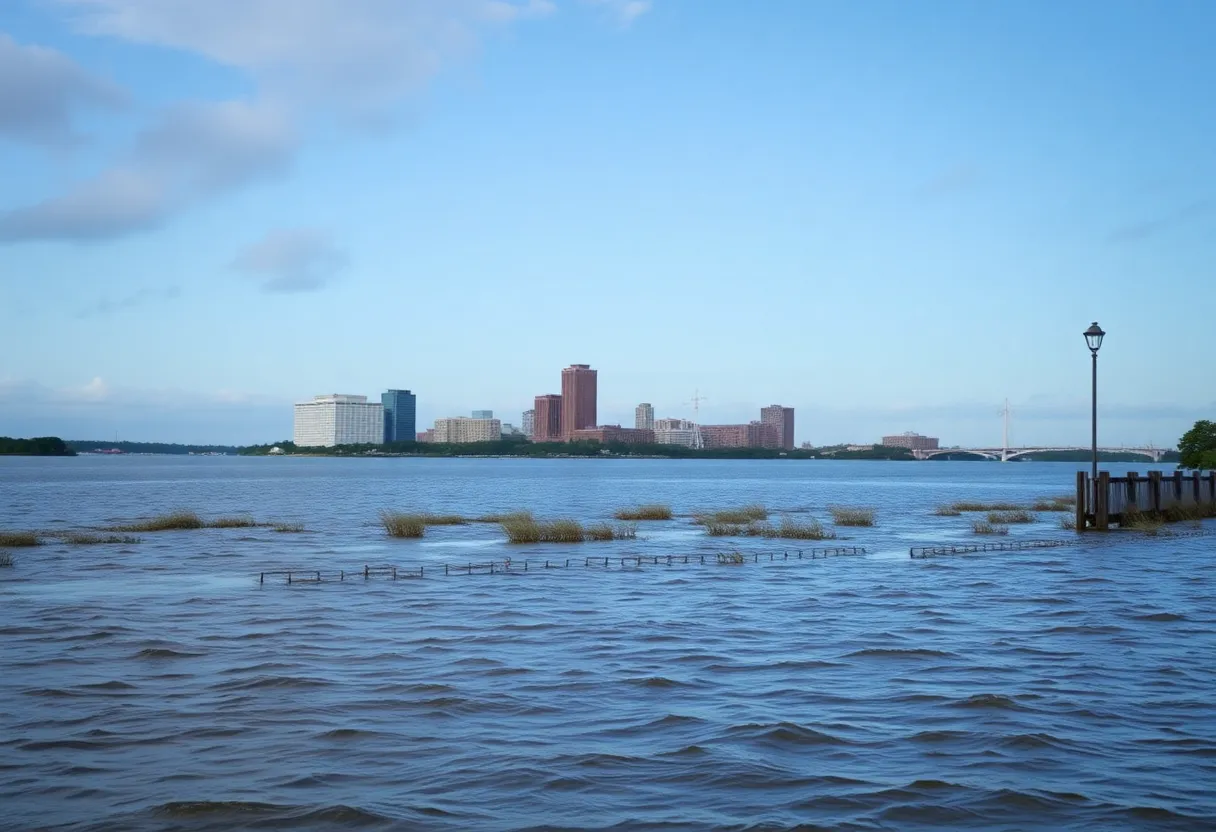
Historically, Charleston averaged between 10 to 25 tidal floods annually in the 1990s. However, recent statistics reveal a worrying uptick. In 2019 alone, the city recorded an astonishing 89 tidal flooding events, followed by 69 incidents in 2020. This trend indicates that residents now face tidal flooding approximately every 4 to 5 days.
The updated criteria are especially significant for those living in low-lying areas prone to flooding, where even minor flooding can disrupt daily activities and impact property. By emphasizing minor flooding events that may have previously been classified under flood advisories, the NWS hopes to better inform residents and encourage preparedness. Adjusting the general public’s perception of flooding risks is essential in ensuring that safety measures are taken seriously.
As part of this initiative, NWS officials are working to ensure clearer communication of the updated flood risks through various platforms, including social media and community outreach programs. The aim is to foster an informed public capable of preparing for and reacting adequately to impending flooding situations. With a history of frequent tidal floods, Charleston residents must stay alert and updated about the latest flood advisories.
Experts point out that these changes are not only a response to rising flood incidents but also a proactive approach to evolving weather patterns linked to climate change. As urban development continues and sea levels rise, Charleston’s coastal vulnerability intensifies, making these updates crucial for public safety.
Residents are encouraged to monitor local weather reports and updates from the NWS as the implementation date approaches. The increased frequency of flash flood warnings is expected to keep the community on alert and ready for potential weather hazards.
Conclusion
The National Weather Service’s change in issuing flash flood criteria is a critical response to Charleston’s increasing tidal flooding events. By lowering the threshold for flash floods, Charleston residents can expect a safer and more informed community approach when faced with flooding risks.
Frequently Asked Questions
What is the new flash flood warning criteria?
The new criteria involve lowering the threshold for what is classified as a flash flood to improve consistency in flood risk communication.
When do the new criteria take effect?
The updated criteria will take effect on August 1.
How often is Charleston experiencing tidal flooding now?
Currently, Charleston experiences tidal flooding approximately every 4 to 5 days.
What is the difference between a flood advisory and a flood warning?
A flood advisory indicates expected minor flooding, while a flood warning signifies a serious threat that could affect life or property.
Why are these changes important for residents?
These changes are crucial for better public awareness and preparedness in an area increasingly affected by tidal flooding.
Key Features of Flash Flood Criteria Changes
| Feature | Details |
|---|---|
| New Criteria Effective Date | August 1 |
| Previous Average Annual Tidal Floods (1990s) | 10 to 25 events |
| Tidal Floods in 2019 | 89 events |
| Tidal Floods in 2020 | 69 events |
| Current Tidal Flood Frequency | Every 4 to 5 days |
| Flood Advisory vs Flood Warning | Advisory: minor flooding; Warning: serious threat |
Deeper Dive: News & Info About This Topic
HERE Resources
Rip Current Warning Issued in Charleston as Hurricane Erin Approaches
Traffic Disruptions Expected on Daniel Island
Severe Flash Flooding Hits Charleston Communities
Record-Breaking Rainfall Causes Severe Flooding in Charleston
Charleston Faces Record-Breaking Flooding Challenges
Charleston Prepares for Major Rainfall Amid Tropical Storm Debby
Severe Thunderstorm Warning Issued for Charleston, SC
Flash Floods Devastate Northern China
Tropical Storm Erin Gaining Strength, May Become Major Hurricane
Flash Flood Warning Issued for Charleston, S.C. Area
Additional Resources
- Count On 2: City of Charleston Hosts Public Meeting on Traffic Conversion Study
- Wikipedia: Flash Flood
- Live 5 News: Charleston City Paper Readers Select Best Local TV Station
- Google Search: Charleston Flash Flood
- ABC News 4: Flash Flood Warnings Issued for Charleston Area
- Encyclopedia Britannica: Flood
- Count On 2: Virginia Halfway House Escapee Captured
- Google Scholar: Charleston Weather Patterns
- Google News: Charleston Flooding
li>Live 5 News: Charleston County School District Tax Dollars Improvement


Author: STAFF HERE CHARLESTON
The CHARLESTON STAFF WRITER represents the experienced team at HEREcharleston.com, your go-to source for actionable local news and information in Charleston, Charleston County, and beyond. Specializing in "news you can use," we cover essential topics like product reviews for personal and business needs, local business directories, politics, real estate trends, neighborhood insights, and state news affecting the area—with deep expertise drawn from years of dedicated reporting and strong community input, including local press releases and business updates. We deliver top reporting on high-value events such as the Spoleto Festival USA, Charleston Wine + Food Festival, and the MOJA Festival. Our coverage extends to key organizations like the Charleston Metro Chamber of Commerce and the Charleston Museum, plus leading businesses in tourism and maritime industries that power the local economy such as South Carolina Ports Authority and the Charleston Visitor Center. As part of the broader HERE network, including HEREaiken.com, HEREbeaufort.com, HEREchapin.com, HEREcharleston.com, HEREclinton.com, HEREcolumbia.com, HEREgeorgetown.com, HEREgreenwood.com, HEREgreenville.com, HEREhiltonhead.com, HEREirmo.com, HEREmyrtlebeach.com, HEREnewberry.com, HERErockhill.com, HEREspartanburg.com, HEREaustin.com, HEREcollegestation.com, HEREdallas.com, HEREhouston.com, and HEREsanantonio.com, we provide comprehensive, credible insights into South Carolina's dynamic landscape.