
Charleston, South Carolina, August 22, 2025
Charleston, South Carolina, offers a compact but lively ecosystem of technical education where hands-on learning and campus life intersect to prepare students for immediate entry into the workforce and civic life.
Student Life at Charleston’s Technical Schools
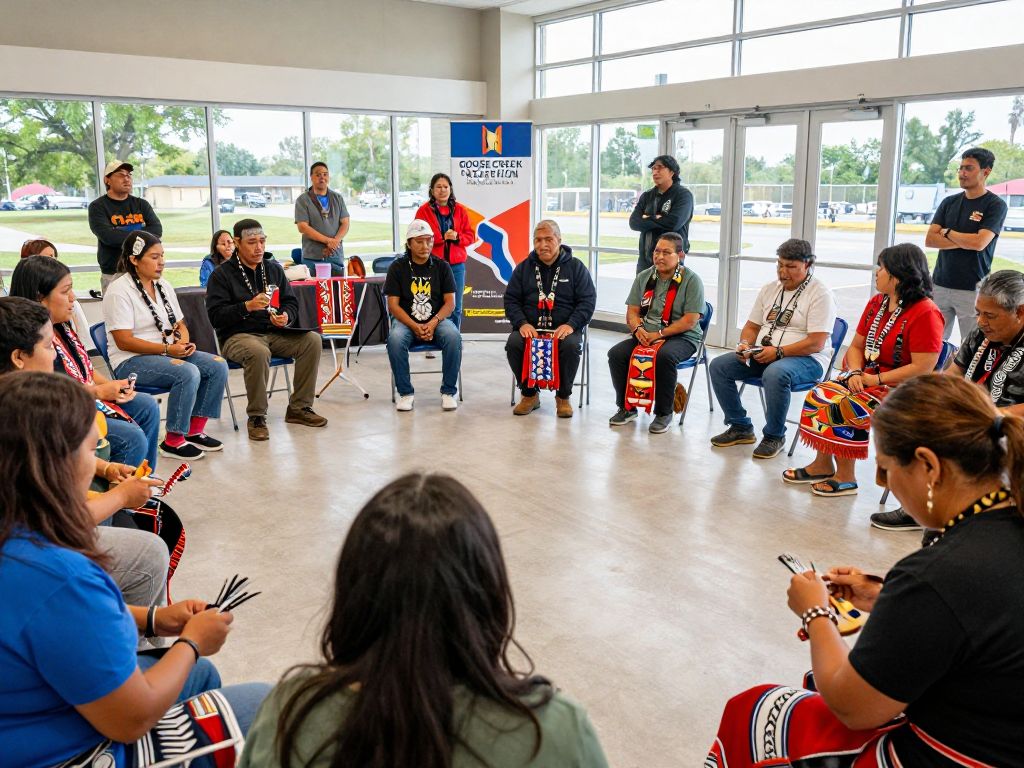
Student life at Charleston’s technical colleges combines practical training with a campus culture designed to support career readiness, community participation, and personal growth. These institutions attract a mix of traditional students, working adults, and career changers, which shapes a distinctive environment: focused, pragmatic, and community-oriented. Across campuses, the emphasis is on creating connections—between students and faculty, between classroom knowledge and workplace skills, and between colleges and the broader Charleston community.
Trident Technical College: A Hub of Activity
Trident Technical College (TTC) is one of the largest technical education providers in the region, operating multiple campuses with the centrally located Palmer Campus serving as a focal point for many student-facing services. The college balances certificate and degree programs with a calendar of campus events and practical training opportunities that extend learning beyond lecture halls.
The college’s Student Life Office coordinates activities and organizations designed to supplement classroom education. Students can join a variety of clubs that reflect academic programs—such as culinary or esthetics peer groups—as well as interest-based and cultural associations. Campus leadership pathways include roles in the Student Cabinet and positions as Student Ambassadors, which help participants develop communication, event planning, and advocacy skills useful in any profession.
Annual events provide rhythm to the semesters: community-building fairs like the Spring Carnival, shorter holiday gatherings, and program-specific showcases where culinary, esthetics, and allied health students demonstrate their work to peers and the public. Palmer Campus hosts Spa 66, which functions as both a student training facility and a community-facing service, giving esthetics and cosmetology students real client experience.
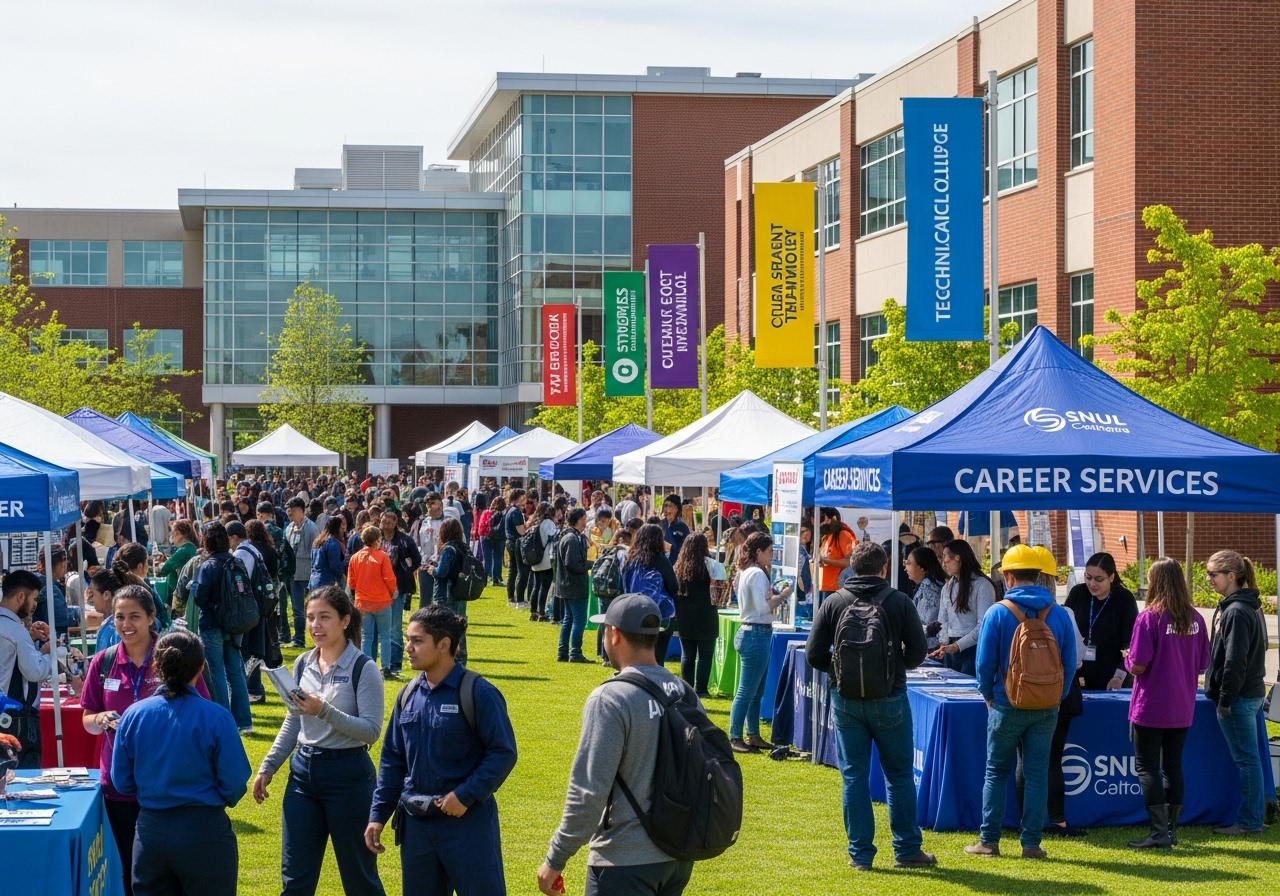
Career and transition services are a major part of student life at TTC. The Employment Center offers resume workshops, mock interviews, and targeted job-search assistance, and it maintains computer stations and self-guided resources that support students and alumni. For many students, employment services are directly tied to internships and industry partnerships that lead to local hiring pipelines in Charleston’s hospitality, healthcare, and trades sectors.
Technical College of the Lowcountry: Building Community
Though headquartered in Beaufort, the Technical College of the Lowcountry (TCL) has active programming and recruitment in the Charleston area and emphasizes small cohorts, community connections, and pathways from high school to college. TCL’s structure supports a close-knit campus experience where students often have direct access to faculty and campus administrators.
Student involvement at TCL frequently centers on Student Government and honor societies like Phi Theta Kappa, which provide leadership training and scholarship opportunities. Cultural events, recreational outings, and service projects are regular features of the TCL calendar, helping students form networks outside their program labs and classrooms.
Campus resources include guided tours for prospective students, visible security and emergency communication systems, and a suite of digital tools—student email and active social accounts—that keep information flowing. For high school students, TCL’s dual enrollment options offer a head start on certificates and credits, making the transition to higher education smoother and often more affordable.
CharlestonLIFE™: Inclusive Education and Campus Integration
CharlestonLIFE™ is a four-year, non-degree certificate program hosted by the College of Charleston but with strong connections to the city’s technical training ecosystem. Designed for students with mild intellectual and/or developmental disabilities, the program emphasizes an inclusive college experience that combines academic coursework, independent living skills, and career preparation.
Students in CharlestonLIFE™ participate in adapted college courses and take part in campus life alongside peers, with supports in place to promote success. Living on campus is common, and the program integrates internships and community-based work opportunities to build meaningful job skills. Social integration is encouraged through involvement in clubs, campus events, and volunteer initiatives, reinforcing a sense of belonging while supporting long-term independence.
Program goals are centered on comprehensive outcomes: academic enrichment, social development, employment readiness, and community inclusion. Graduates aim to blend vocational competence with everyday living skills that let them take on diverse roles within Charleston’s neighborhoods and workplaces.
How Student Life Supports Career Pathways
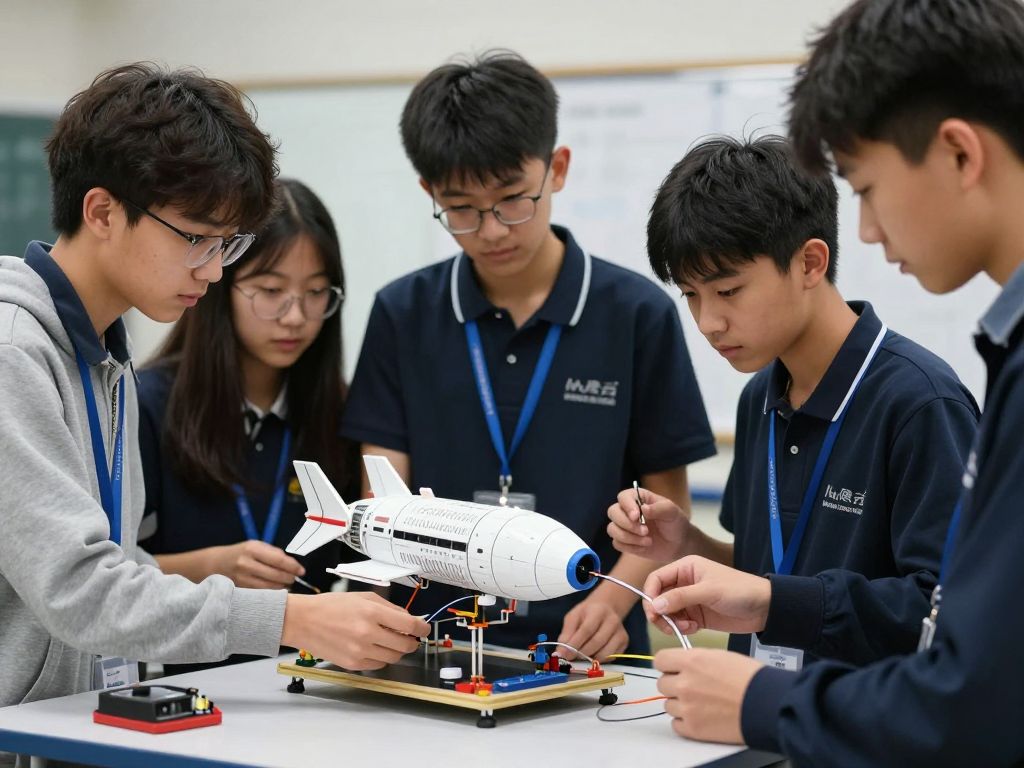
Technical colleges in Charleston orient student life around employability. Classroom assignments frequently mirror real-world tasks; labs simulate industry practices; and many programs include externships, workplace mentors, or capstone projects reviewed by local employers. This integration helps students leave college with both credentials and demonstrable experience.
Student organizations often function as micro-professional networks. For example, culinary clubs organize pop-up dinners that connect students with local restaurateurs; health sciences student groups coordinate health screenings that build clinical skills while serving the community; and Phi Theta Kappa chapters assist students in scholarship applications and transfer planning. These activities are not merely extracurricular; they become part of a student’s portfolio when seeking employment.
Support offices extend these connections with focused services. Career centers aggregate job postings, host industry panels, and maintain relationships with Charleston employers across sectors like construction, maritime services, hospitality, and healthcare. For nontraditional students balancing work and family, flexible scheduling, online resources, and part-time program options make credential completion feasible.
Campus Culture and Student Well‑Being
Student life at technical colleges prioritizes practicality but also attends to wellness. Mental health referrals, academic coaching, and tutoring are available at many campuses. Security services and emergency communication systems create safe learning environments, while campus events—whether cultural celebrations or intramural sports—foster stress relief and camaraderie.
Because many students juggle employment and caregiving responsibilities, colleges emphasize efficient access to services: single points of contact for financial aid questions, consolidated advising appointments, and streamlined registration processes. These operational choices reduce barriers to persistence and completion.
Comparative Snapshot
| Institution | Typical Enrollment Patterns | Notable Student Organizations | Signature Events | Career & Support Services | Distinctive Program |
|---|---|---|---|---|---|
| Trident Technical College | Large, mix of full- and part-time students; robust continuing education | Student Cabinet, Student Ambassadors, program clubs | Spring Carnival, Holiday Drop-In, program showcases | Employment Center, internship coordination, resume/interview help | Palmer Campus Spa 66; culinary and esthetics hands-on training |
| Technical College of the Lowcountry | Smaller cohorts, strong dual-enrollment link with high schools | Student Government, Phi Theta Kappa | Cultural events, community service projects, outings | Campus tours, security services, student email/alerts | Dual enrollment pathways for high school students |
| CharlestonLIFE™ (College of Charleston) | Small, cohort-based enrollment focused on inclusive access | Participation in campus organizations with tailored supports | Access to mainstream campus events with program-specific activities | Specialized academic supports, career development, internship placement | Four-year inclusive certificate for students with IDD |
Key Takeaways
- Practical learning is central: technical colleges in Charleston connect classroom instruction directly to local industry needs through labs, internships, and employer partnerships.
- Student life enhances employability: organizations, campus events, and career centers provide networking and real-world experience that employers value.
- Inclusive and flexible models: programs like CharlestonLIFE™ and dual enrollment options broaden access, while flexible scheduling and support services help nontraditional students succeed.
Frequently Asked Questions
What types of student organizations are available at Charleston technical colleges?
Students can join academic clubs tied to specific programs (such as culinary or allied health), student government bodies, honor societies like Phi Theta Kappa, cultural organizations, and leadership groups such as Student Ambassadors. The exact roster varies by campus and term, and new groups can often form when students find a shared interest.
How do technical colleges in Charleston help with job placement?
Career and employment centers provide resume assistance, mock interviews, job postings, employer panels, and internship placement. Programs often include practicum experiences or capstone projects evaluated by industry partners, which strengthens students’ readiness for local labor markets.
Can high school students earn college credit at these institutions?
Yes. The Technical College of the Lowcountry and other area institutions offer dual enrollment or early college programs that allow high school students to complete college-level coursework and sometimes earn certificates before graduation.
Is on-campus housing available for students in these programs?
On-campus living is available for some programs, notably for participants in inclusive initiatives like CharlestonLIFE™, where living-learning experiences support independence and social integration. Most technical college students, however, are commuter or part-time learners who arrange housing independently.
How do these colleges support students with disabilities?
Support ranges from academic accommodations and assistive technology to specialized programs like CharlestonLIFE™ that provide tailored coursework, life skills training, and job development supports. Disability services offices coordinate accommodations and connect students with campus resources.

Author: STAFF HERE CHARLESTON
The CHARLESTON STAFF WRITER represents the experienced team at HEREcharleston.com, your go-to source for actionable local news and information in Charleston, Charleston County, and beyond. Specializing in "news you can use," we cover essential topics like product reviews for personal and business needs, local business directories, politics, real estate trends, neighborhood insights, and state news affecting the area—with deep expertise drawn from years of dedicated reporting and strong community input, including local press releases and business updates. We deliver top reporting on high-value events such as the Spoleto Festival USA, Charleston Wine + Food Festival, and the MOJA Festival. Our coverage extends to key organizations like the Charleston Metro Chamber of Commerce and the Charleston Museum, plus leading businesses in tourism and maritime industries that power the local economy such as South Carolina Ports Authority and the Charleston Visitor Center. As part of the broader HERE network, including HEREaiken.com, HEREbeaufort.com, HEREchapin.com, HEREcharleston.com, HEREclinton.com, HEREcolumbia.com, HEREgeorgetown.com, HEREgreenwood.com, HEREgreenville.com, HEREhiltonhead.com, HEREirmo.com, HEREmyrtlebeach.com, HEREnewberry.com, HERErockhill.com, HEREspartanburg.com, HEREaustin.com, HEREcollegestation.com, HEREdallas.com, HEREhouston.com, and HEREsanantonio.com, we provide comprehensive, credible insights into South Carolina's dynamic landscape.