
Charleston, South Carolina, August 19, 2025
Charleston’s Premier Technical Institutions for IT Education
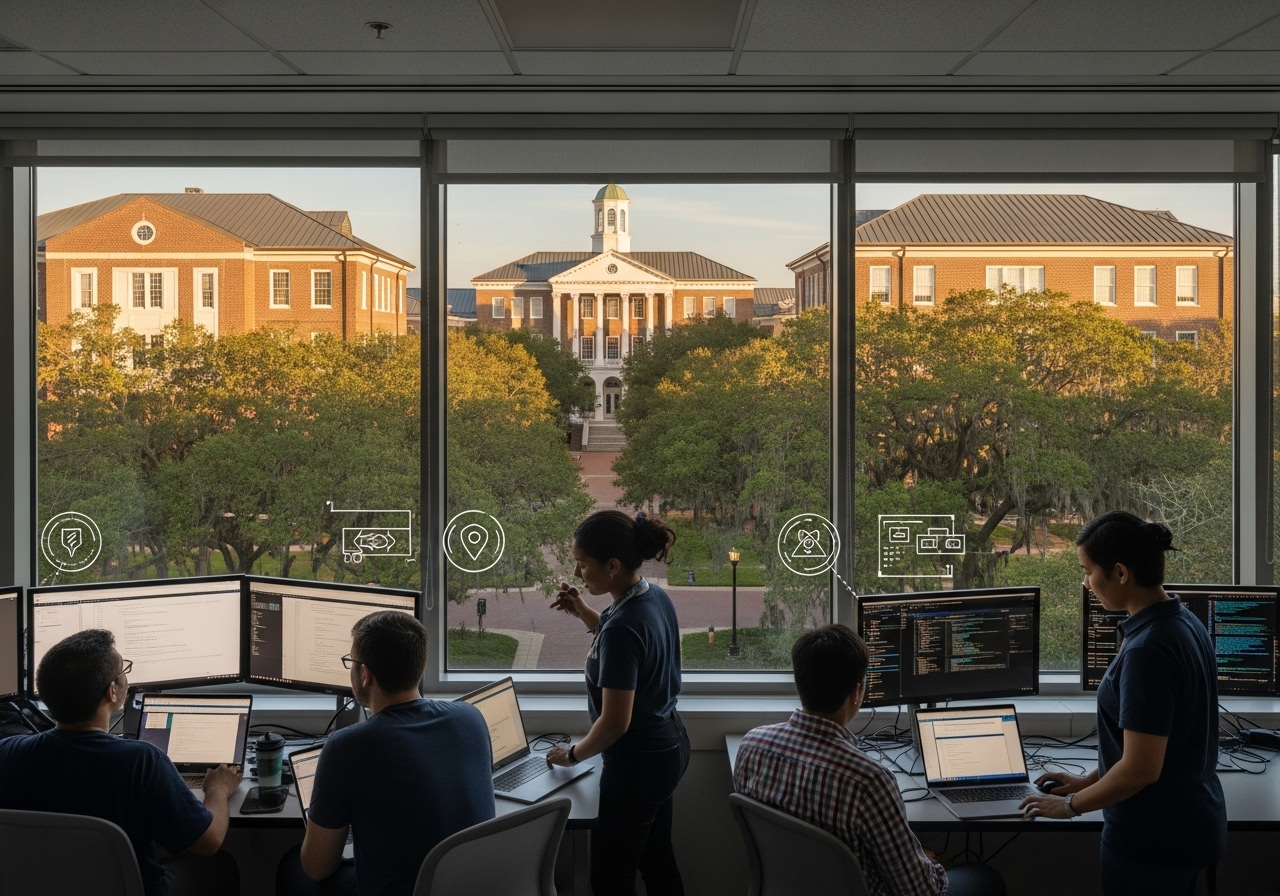
Charleston, South Carolina, has evolved into a coastal technology center often referred to as Silicon Harbor, where startups, established firms, and research initiatives all compete for skilled IT talent. That demand has driven local colleges and universities to expand offerings in computing, cybersecurity, engineering technology, and data science. Prospective students can choose programs that emphasize rapid workforce entry, academic depth, or a blend of technical and liberal-arts learning. Below is a practical guide to the leading technical schools in Charleston that specialize in IT and related engineering fields, with details to help compare curricula, learning models, and financial pathways.
Trident Technical College
Trident Technical College serves as a central pipeline for technicians, junior developers, and cyber practitioners entering the Charleston labor market. As a large community college system, Trident provides accessible entry points for students seeking two-year degrees, certificates, and transfer opportunities.
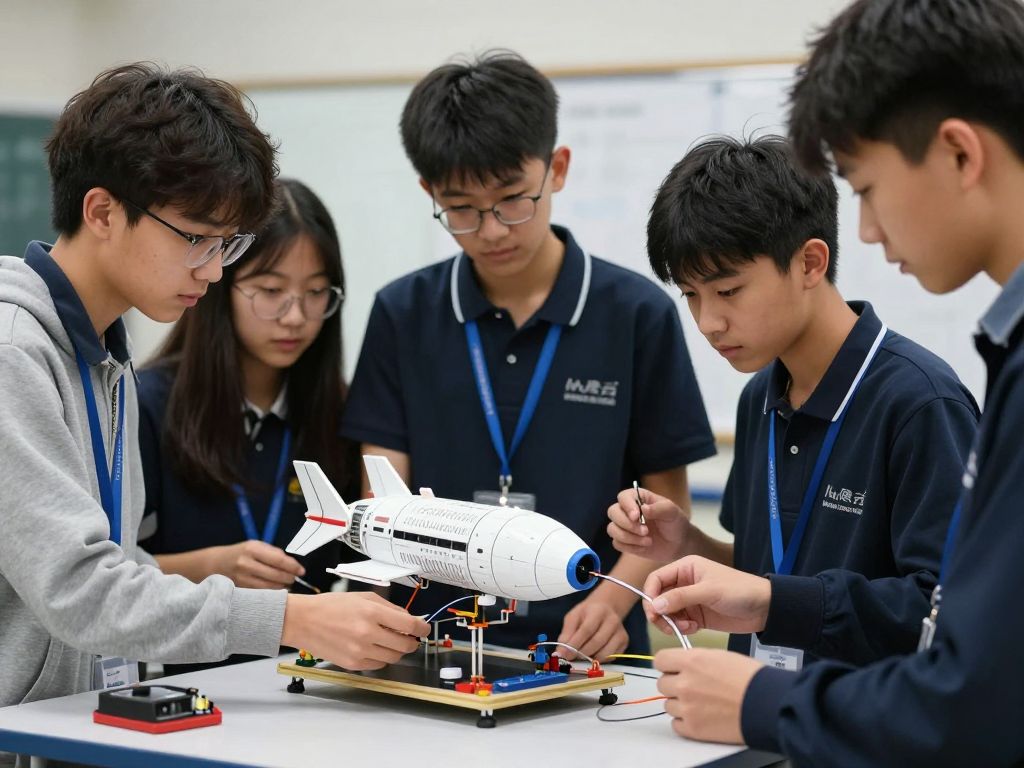
Programs offered include associate degrees in Computer Programming, Cybersecurity, and Network Systems Management, along with shorter-term certificates that sharpen specific competencies. The instructional approach places a premium on hands-on learning: students work in labs that simulate enterprise networks, build applications for real clients, and participate in capstone projects that mirror workplace deliverables.
TTC maintains active relationships with area employers to support internships and externships, enabling students to translate classroom work into professional experience. Financial accessibility is a distinguishing feature for many learners — during selected academic periods, eligible South Carolina residents may qualify for no-cost tuition in high-demand programs, and state-supported scholarships such as SCWINS offer targeted aid for students in workforce-aligned fields.
Typical outcomes for graduates are entry-level IT roles such as help-desk technician, junior systems administrator, or cybersecurity analyst intern. The college’s scale and transfer partnerships also make it a practical stepping stone for students planning to continue toward bachelor’s degrees elsewhere.
The Citadel – Department of Cyber and Computer Sciences
The Citadel combines a disciplined campus culture with an academically rigorous computer science and cyber curriculum. The undergraduate degree structure centers on a Bachelor of Science in Computer and Information Sciences with tracks that emphasize cybersecurity, software systems, and IT management.
Curricula include foundational coursework in algorithms, operating systems, and network security, supplemented by practical labs and simulation exercises focused on threat response and secure systems design. The institution’s engineering and applied-sciences reputation is reflected in national program rankings, and career outcomes are strong — internal reporting shows near-universal employment or graduate-study placement within months after graduation for many cohorts, with some programs reporting placement rates approaching 99% within six months.
Students benefit from deliberate industry engagement: guest speakers with operational cyber experience, project work with defense and private-sector partners, and career-service coordination that channels graduates into roles across military, government, and civilian enterprises.
College of Charleston – Department of Computer Science
The College of Charleston offers computing degrees that marry technical training with liberal-arts breadth. Options include a B.S. in Computing in the Arts with an IT track and a B.A. in Computer Information Systems. These programs target students interested in software development, human-centered design, and data analytics.
Laboratories and a dedicated Data Science Center provide students with access to advanced computing clusters, visualization tools, and research projects that apply machine learning to real datasets. The college emphasizes experiential learning: internships with local businesses, semester-long applied projects, and multidisciplinary collaborations that place technology in cultural, scientific, and commercial contexts.
Graduates often move into software roles, data-analytics positions, UX-oriented development, or technical roles within creative industries. The campus location supports networking with Charleston’s growing tech community and adjacent industries such as maritime logistics, healthcare tech, and tourism-related platforms.
Charleston Southern University – Bachelor of Science in Engineering
Charleston Southern University integrates engineering fundamentals with options that touch on computing and electronics. Its Bachelor of Science in Engineering offers concentrations in Mechanical, Electrical, and Computer Engineering, each structured around rigorous math and physics coursework, engineering design, and lab-based projects.
Students on the computer engineering track engage with embedded systems, digital logic, and control systems—topics that have direct relevance to IoT devices and industrial automation. The curriculum prioritizes design work that considers safety, regulatory constraints, and environmental impacts, and the campus provides modern lab facilities to support hands-on experimentation.
CSU also emphasizes experiential pathways such as co-op placements and industry-sponsored projects, giving students sustained periods of workplace exposure. The program’s faith-based mission informs the broader educational environment without encroaching on technical content, and graduates typically pursue engineering roles in manufacturing, energy, and instrumentation sectors.
ECPI University – Engineering and Technology Programs
ECPI University offers career-focused degrees in engineering technology areas that align tightly with applied industry needs. Programs of note include Electronic Systems Engineering Technology, Electronics Engineering Technology, Mechanical Engineering Technology, and Mechatronics — all designed to develop technicians and technologists who can immediately contribute to equipment maintenance, systems integration, and automation projects.
Instruction blends concept explanations with extensive lab time, and coursework is often sequenced to mirror industry certification pathways so that students can earn credentialing alongside academic credentials. Instructors tend to have practical industry experience, and the institution provides targeted student services such as career coaching and financial-aid guidance.
ECPI’s graduates commonly step into roles such as field service technician, controls technician, or systems technician within sectors that range from manufacturing to defense contracting.
Comparing Programs: A Practical Table
| Institution | Primary IT/Engineering Offerings | Notable Strengths | Typical Financial Support |
|---|---|---|---|
| Trident Technical College | Associate degrees and certificates in Computer Programming, Cybersecurity, Network Systems | Hands-on labs, strong employer partnerships, transfer pathways | Program-specific no-cost tuition windows; state workforce scholarships (SCWINS) |
| The Citadel | B.S. in Computer & Information Sciences (cybersecurity, IT management) | High placement rates, disciplined training, nationally ranked engineering | Institutional scholarships, federal and state aid, targeted program funds |
| College of Charleston | B.S. in Computing in the Arts (IT track), B.A. in Computer Information Systems | Advanced computing resources, data-science research, strong internships | Merit scholarships, need-based aid, departmental awards |
| Charleston Southern University | B.S. in Engineering (Mechanical, Electrical, Computer) | Design-focused curriculum, co-op experiences, lab facilities | Scholarships, work-study, financial aid packages |
| ECPI University | Engineering Technology & Mechatronics | Industry-aligned training, certification pathways, practitioner faculty | Financial counseling, institutional aid options |
Choosing the right school often comes down to whether a student prefers rapid workforce entry with technical certificates, a traditional four-year degree that opens graduate-study doors, or a hybrid pathway that combines liberal-arts breadth with practical skills. Prospective students should factor in program length, lab access, internship availability, and how well a curriculum maps to local hiring needs.
Key Takeaways
- Charleston’s education ecosystem supports a wide range of IT career paths, from technician roles to advanced cyber operations and data science.
- Programs emphasize applied experience—laboratory work, internships, and co-op placements—that helps graduates demonstrate job-ready skills.
- Financial pathways such as state workforce scholarships, institutional aid, and targeted tuition programs make technical training attainable for many learners.
FAQ
What entry requirements should I expect for IT programs in Charleston?
Entry criteria vary by institution and program level. Community college certificates and associate degrees typically require a high-school diploma or GED and placement testing, while bachelor’s programs require transcripts, standardized test scores in some cases, and prerequisite coursework in math. Some technical programs also evaluate a student’s practical experience or portfolio for placement into advanced courses.
How long do the different programs take to complete?
Certificates and short-term credentials can range from a few months to a year. Associate degrees are commonly two years of full-time study. Bachelor’s degrees generally require four years of full-time enrollment. Accelerated or part-time options may alter these timelines.
Are there online or hybrid options available?
Many institutions offer online or hybrid coursework for selected classes, particularly theory-heavy subjects. However, hands-on labs and certain capstone projects often require on-campus attendance. Students should review each program’s modality and lab requirements.
What financial aid and scholarship options exist?
Students can pursue federal aid, state workforce scholarships, institutional scholarships, and program-specific grants. Some workforce initiatives cover tuition for high-demand fields during defined periods, and employer-sponsored tuition assistance may also be available for working students.
How well do Charleston programs prepare students for local job markets?
Local programs are generally tailored to regional employer needs, with strong emphasis on internships and partnerships that facilitate job placement. Graduates often find positions in IT support, systems administration, application development, cybersecurity, and roles within emerging tech sectors tied to Charleston’s economy.
Can credits transfer between these institutions?
Credit-transfer policies differ by school. Community college credits often articulate into four-year programs through formal agreements, but conversion of technical coursework depends on curriculum alignment. Students planning to transfer should consult advisors and review articulation agreements before enrolling.

Author: STAFF HERE CHARLESTON
The CHARLESTON STAFF WRITER represents the experienced team at HEREcharleston.com, your go-to source for actionable local news and information in Charleston, Charleston County, and beyond. Specializing in "news you can use," we cover essential topics like product reviews for personal and business needs, local business directories, politics, real estate trends, neighborhood insights, and state news affecting the area—with deep expertise drawn from years of dedicated reporting and strong community input, including local press releases and business updates. We deliver top reporting on high-value events such as the Spoleto Festival USA, Charleston Wine + Food Festival, and the MOJA Festival. Our coverage extends to key organizations like the Charleston Metro Chamber of Commerce and the Charleston Museum, plus leading businesses in tourism and maritime industries that power the local economy such as South Carolina Ports Authority and the Charleston Visitor Center. As part of the broader HERE network, including HEREaiken.com, HEREbeaufort.com, HEREchapin.com, HEREcharleston.com, HEREclinton.com, HEREcolumbia.com, HEREgeorgetown.com, HEREgreenwood.com, HEREgreenville.com, HEREhiltonhead.com, HEREirmo.com, HEREmyrtlebeach.com, HEREnewberry.com, HERErockhill.com, HEREspartanburg.com, HEREaustin.com, HEREcollegestation.com, HEREdallas.com, HEREhouston.com, and HEREsanantonio.com, we provide comprehensive, credible insights into South Carolina's dynamic landscape.