
News Summary
Charleston County is preparing for a crucial vote in 2026 concerning the extension of the transportation sales tax, aimed at financing critical infrastructure improvements. As traffic congestion grows and maintenance issues persist, county officials emphasize the need for a comprehensive approach to infrastructure planning, public transit enhancement, and funding allocation. Proposed funds aim to generate $5.4 billion over 25 years, addressing roads, transit systems, and housing initiatives. However, challenges remain, including public sentiment towards tax proposals and the feasibility of funding amounts.
Charleston County Prepares for 2026 Transportation Sales Tax Referendum Amid Infrastructure Challenges
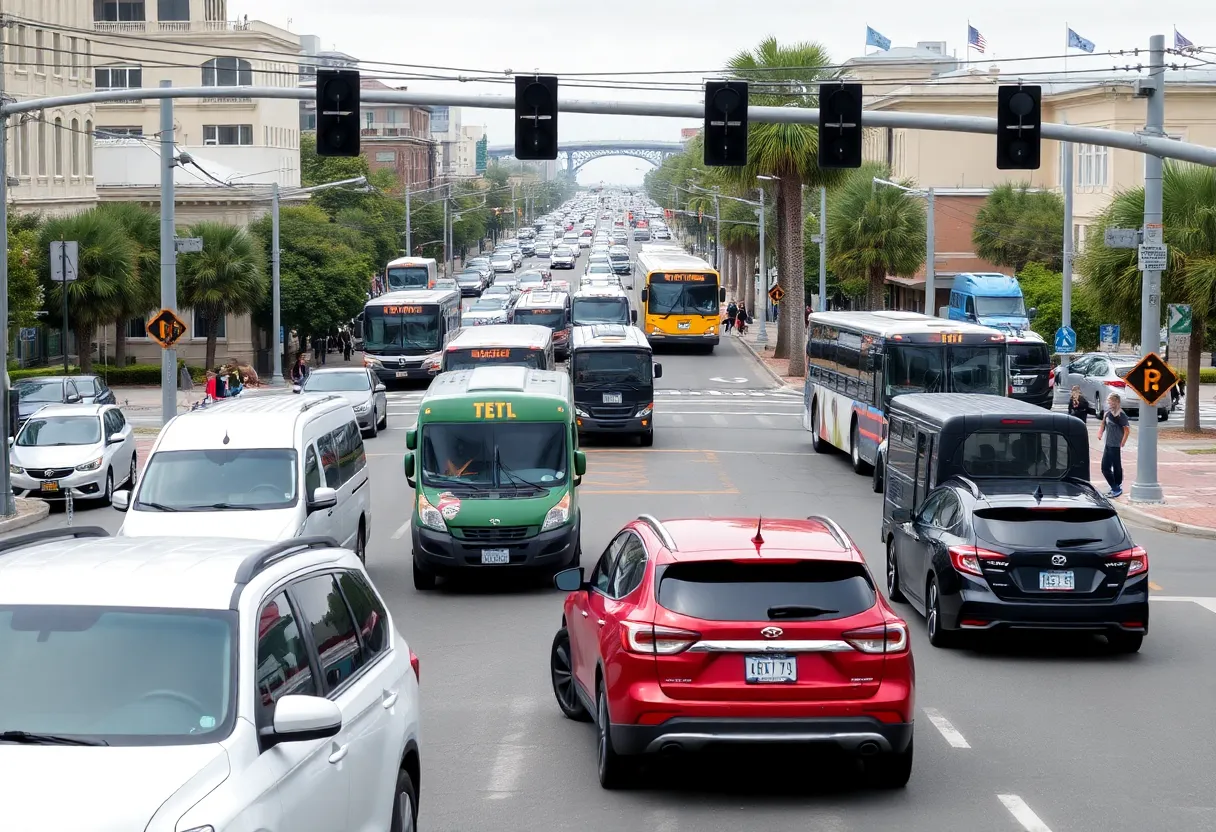
Charleston County is gearing up for a critical vote in November 2026, where county voters will decide whether to extend the transportation sales tax, which serves as a primary funding source for essential infrastructure improvements. This decision comes as local leaders face mounting congestion around downtown Charleston and inadequate road maintenance throughout the county.
The area surrounding the termination of Interstate 26 into the Septima Clark Expressway is particularly affected, leading to increased traffic demands that existing roads struggle to accommodate. Concurrently, the Charleston Area Regional Transportation Authority (CARTA) is seeking support to enhance public transit services amidst a growing number of vehicles on the road. The need for more land conservation, public parks, and improved infrastructure has never been more apparent, especially as the county experiences continued growth.
The current transportation sales tax, initially passed in 2004, is set to expire upon raising $1.3 billion, a target expected to be reached by 2026 or 2027. Under the new proposal, the goal is to generate $5.4 billion over the next 25 years to fund various infrastructure projects, including roads, transit, pedestrian pathways, and affordable housing initiatives.
County officials have recognized the necessity of an analytical approach to infrastructure planning. Charleston Mayor William Cogswell underscores this by citing 22 priority road projects while also advocating for an expanded focus on public transportation, green spaces, flooding relief efforts, and affordable housing solutions. Meanwhile, representatives from the business community, who previously opposed the 2024 sales tax proposal, stress the importance of aligning land-use policies with infrastructure planning to ensure community support ahead of the 2026 vote.
The County Council recently initiated discussions about the potential sales tax referendum during a retreat, acknowledging the need for strategies that address both immediate and long-term infrastructure challenges. Some council members have suggested embracing smaller, fast-moving projects and improving intersections—such as the installation of roundabouts—as efficient alternatives to simply expanding roadways.
However, a significant challenge lies ahead as public sentiment regarding tax proposals can be lukewarm. Historical trends indicate that over 40% of voters typically cast “no” votes on tax initiatives, necessitating a unified support campaign among County Council members and local mayors. Effective communication about the necessity and benefits of transportation infrastructure and public transit is vital to overcome this hurdle.
As part of its proactive approach, Charleston County plans to allocate $2.9 million towards road projects for the upcoming fiscal year, with specific allocations including approximately $738,000 for bike and pedestrian improvements, $1.5 million earmarked for intersection upgrades, and nearly $2.6 million designated for local paving efforts. These funds are part of the ongoing commitment to addressing the infrastructure backlog that has seen 300 projects funded through the transportation sales tax, with 200 of those completed and 100 currently underway.
Despite the ambitious funding goals and project initiatives, some critics raise concerns regarding the feasibility of the proposed funding levels. They argue that specific projects may not receive sufficient financing to cover anticipated costs, leading to potential budget shortfalls. Additionally, the environmentally sensitive nature of planned improvements, such as the proposed Mark Clark Extension, raises alarms over potential impacts on wetlands and local ecosystems. The Coastal Conservation League has initiated legal action, claiming that the proposed tax question fails to offer voters adequate choices regarding funding priorities for greenbelt and transit options.
As Charleston County navigates these pressing infrastructure challenges, the upcoming transportation sales tax referendum in 2026 will significantly shape the future of the region’s transportation landscape. The council and community leaders emphasize the need for strategic planning and unified outreach to help ensure that voters understand the full scope of the projected improvements and their long-term benefits.
Deeper Dive: News & Info About This Topic
HERE Resources
Charleston Takes Steps to Enhance Intersection Safety
Dorchester Road Faces Congestion Challenges
Charleston County Considers New Transportation Sales Tax
Mount Pleasant Town Council Opposes Southern Parkway
Charleston County Voters Reject Transportation Tax Referendum
Residents Express Concerns Over James Island Development
Jim McBride Hosts Town Hall Meeting on Johns Island
Charleston Proposes New Traffic Solutions for Maybank Highway
Charleston Seeks Control Over Maybank Highway to Ease Traffic Congestion
Charleston County School Board Approves Historic Budget
Additional Resources
- Post and Courier: Charleston County Transportation Sales Tax Vote
- Count On 2: Charleston County Leaders Discuss Transportation Priorities
- ABC News 4: Charleston County Voters Face Transportation Tax Plan Decision
- Charleston Business: Half-Cent Sales Tax Primer
- Live 5 News: Charleston County Leaders Discuss New Ideas on Transportation Sales Tax
- Google Search: Charleston County Transportation Sales Tax


Author: STAFF HERE CHARLESTON
The CHARLESTON STAFF WRITER represents the experienced team at HEREcharleston.com, your go-to source for actionable local news and information in Charleston, Charleston County, and beyond. Specializing in "news you can use," we cover essential topics like product reviews for personal and business needs, local business directories, politics, real estate trends, neighborhood insights, and state news affecting the area—with deep expertise drawn from years of dedicated reporting and strong community input, including local press releases and business updates. We deliver top reporting on high-value events such as the Spoleto Festival USA, Charleston Wine + Food Festival, and the MOJA Festival. Our coverage extends to key organizations like the Charleston Metro Chamber of Commerce and the Charleston Museum, plus leading businesses in tourism and maritime industries that power the local economy such as South Carolina Ports Authority and the Charleston Visitor Center. As part of the broader HERE network, including HEREaiken.com, HEREbeaufort.com, HEREchapin.com, HEREcharleston.com, HEREclinton.com, HEREcolumbia.com, HEREgeorgetown.com, HEREgreenwood.com, HEREgreenville.com, HEREhiltonhead.com, HEREirmo.com, HEREmyrtlebeach.com, HEREnewberry.com, HERErockhill.com, HEREspartanburg.com, HEREaustin.com, HEREcollegestation.com, HEREdallas.com, HEREhouston.com, and HEREsanantonio.com, we provide comprehensive, credible insights into South Carolina's dynamic landscape.