
News Summary
Charleston, South Carolina, has initiated a lawsuit against multiple energy companies, including Brabham Oil, alleging their operations contribute significantly to climate-related nuisances. This legal action aims to pressure these firms into adopting alternative energy sources or face potential bankruptcy. This lawsuit reflects a growing trend among various states seeking to reform national energy policy amidst mounting climate change impacts, though critics argue it may disrupt the economy and infringe on state autonomy.
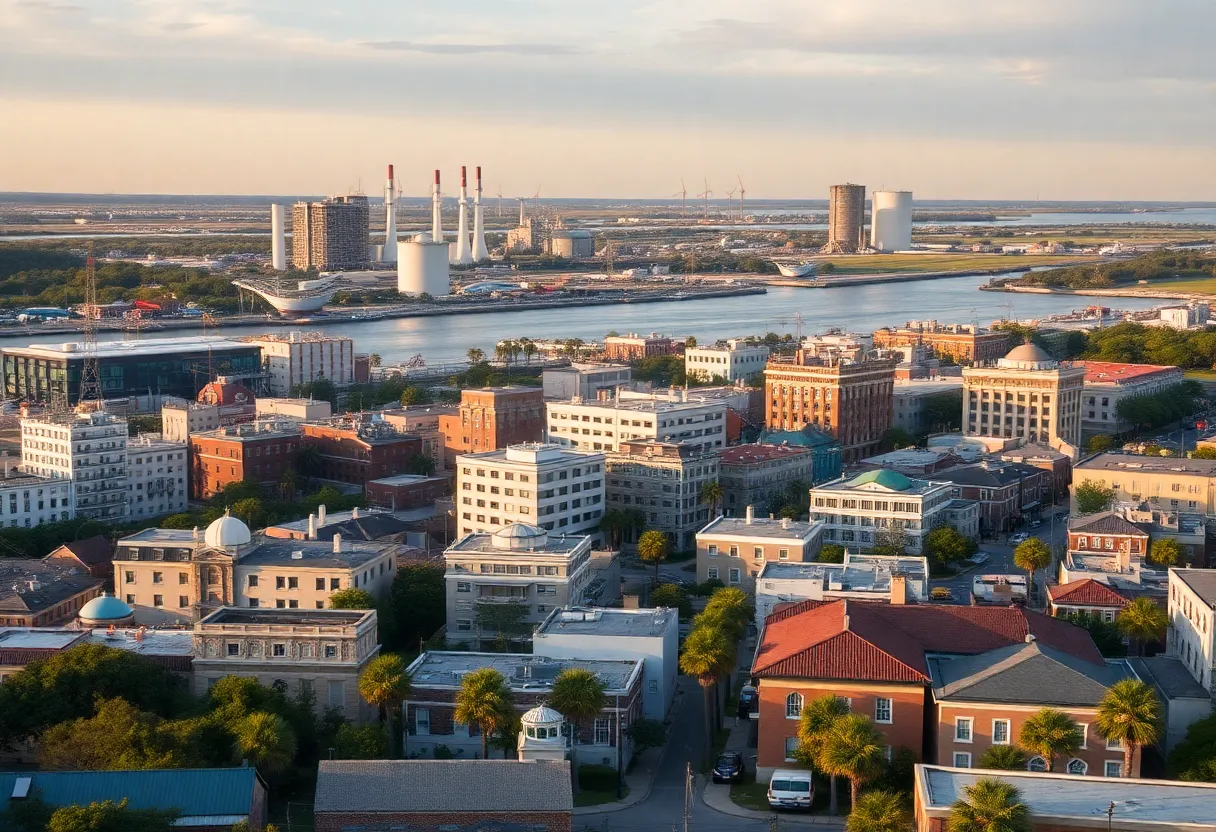
Charleston, South Carolina, is at the center of a growing legal battle over climate change as the city has filed a lawsuit in state court targeting several energy companies, including local distributor Brabham Oil. This lawsuit is part of a broader trend observed across various states and cities that aim to shift national energy policy in response to climate change impacts.
The primary goal of Charleston’s lawsuit is to either bankrupt these American energy firms or press them to commit to alternative energy sources. However, critics argue that these efforts may be impractical and primarily motivated by financial demands due to budget shortfalls within the city. Plaintiffs often seek billions from energy producers by claiming that their operations significantly contribute to global emissions, which create a local “nuisance” for communities.
The legal landscape for climate change lawsuits is complex and fraught with controversy. If Charleston’s “nuisance” theory is upheld by the courts, it could set a precedent leading to regulatory changes affecting all states, raising significant concerns over state sovereignty. This aligns with historical fears related to states imposing their will on others, which ties back to foundational principles of Constitutional federalism.
Many legal experts and critics assert that courts are not the appropriate venue for addressing energy policy issues, as these matters inherently fall under federal jurisdiction. Previous similar lawsuits, such as those launched in San Francisco, Delaware, and New York, have faced challenges in courts leading to multiple dismissals. Critics contend that Charleston’s lawsuit could destabilize the U.S. economy while failing to address larger global emissions that are notably produced by countries like China.
Opposition to such climate lawsuits has also been voiced by South Carolina Attorney General Alan Wilson and other state attorneys general, who argue that these legal actions threaten the autonomy of states to govern their own energy policies. They advocate for local control over climate actions without interference from potentially overreaching legal frameworks arising from federal or national agendas.
In the face of climate challenges, Charleston’s local government has rolled out initiatives like the Climate Action Plan and the Water Plan, which aim to tackle flooding and other effects of climate change. The Climate Action Plan is designed to strengthen infrastructure, revise building codes, and promote awareness and education regarding climate issues in the community. This proactive stance has garnered praise among residents eager to address climate change, though some criticism surrounds the plan’s suggestion of higher-cost energy alternatives.
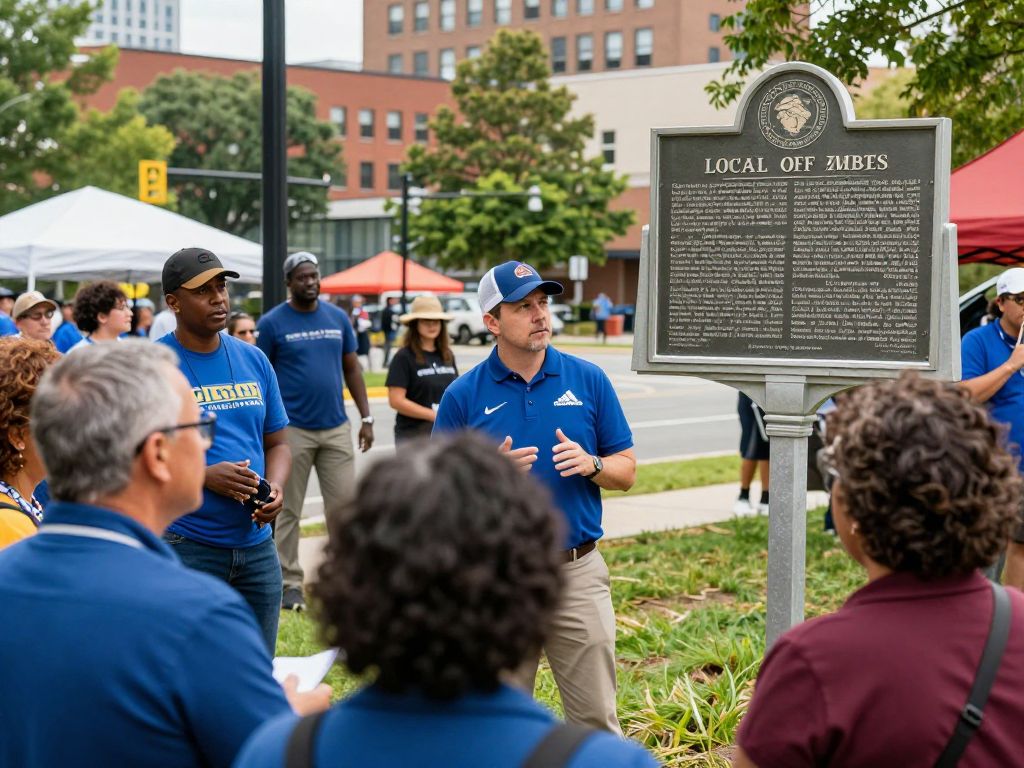
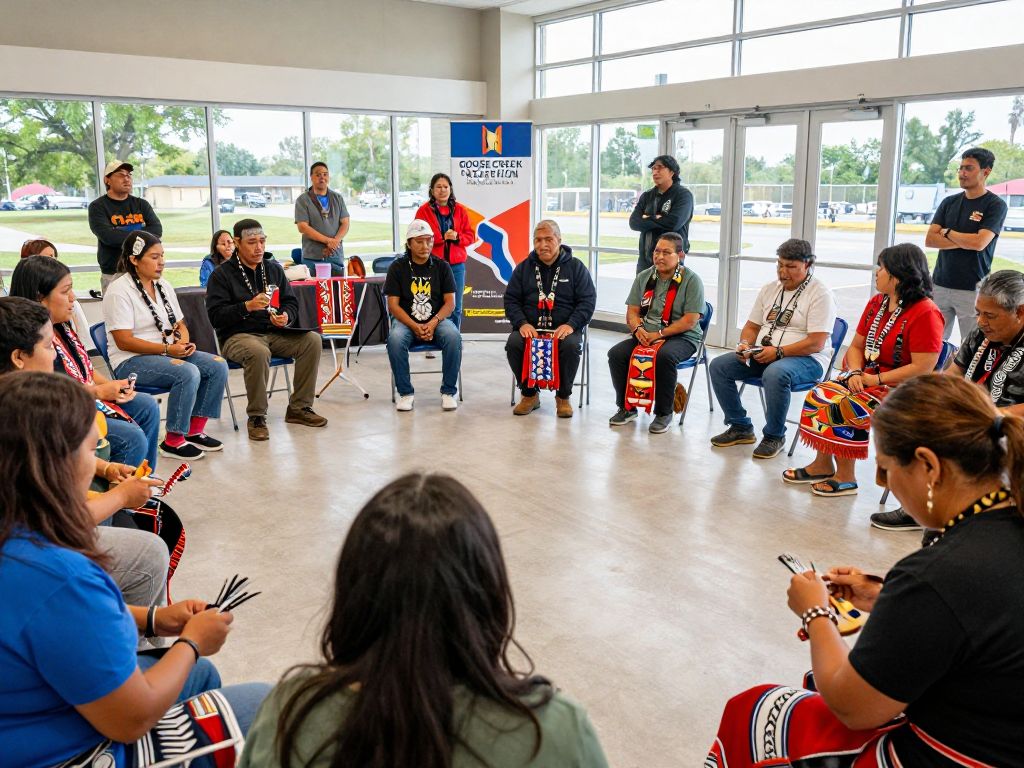
The city’s efforts have also sparked concerns regarding overdevelopment and the health of local environments, with community stakeholders urging more representative and inclusive climate action strategies. To facilitate dialogue, Charleston has organized community engagement sessions focused on the environmental impacts felt by various populations, including members of the Gullah Geechee community, who inhabit coastal areas affected by climate issues.
In a collaborative approach, a grant from the National Oceanic and Atmospheric Administration has sponsored a four-state listening tour intended to connect impacted communities with potential flood mitigation strategies. Discussions surrounding long-term solutions include restoration initiatives for natural ecosystems, such as oyster beds, and the exploration of innovative farming techniques that could enhance local resilience against climate-related challenges.
As Charleston moves forward with its climate initiatives and legal actions, the balance between local autonomy, energy policy, and addressing the acute challenges posed by climate change remains a focal point of discussion for residents, legal experts, and policymakers alike.
Deeper Dive: News & Info About This Topic
HERE Resources
Trump Administration Intervenes in Ongoing Mifepristone Lawsuit
Abbe Lowell Launches New Law Firm Amid Legal Challenges
Lawyer Insights: Breaking News from the Courtroom
Trump’s Executive Orders Target Law Firms: A Challenge for Lawyers
Lawyers Seek Answers in Trump’s Climate Grant Funding Battle
Louisiana Lawmakers Tackle Personal Injury Lawsuits Amid Insurance Crisis
The Ongoing Talcum Powder Litigation: A Legal Perspective
Trump Administration Confronts Columbia University Over Antisemitism
Harmeet Dhillon, Lawyer, Confirmed to Lead DOJ Civil Rights Division
USDA Releases Federal Grant Funds Amid Changes for Farmers
Additional Resources
- Post and Courier: Charleston SC Climate Lawsuit Dismiss
- Wikipedia: Climate Change – Legal Aspects
- ABC News 4: Charleston’s Leaders and Climate Change
- Google Search: Charleston Climate Change News
- Charleston City Paper: Climate Change Listening Session
- Encyclopedia Britannica: Climate Change
- Live 5 News: Charleston’s Environmental Corridor
- Google Scholar: Charleston Environmental Policy
- Blavity: Climate Gentrification in Charleston
- Google News: Charleston Flooding Climate Change


Author: STAFF HERE CHARLESTON
The CHARLESTON STAFF WRITER represents the experienced team at HEREcharleston.com, your go-to source for actionable local news and information in Charleston, Charleston County, and beyond. Specializing in "news you can use," we cover essential topics like product reviews for personal and business needs, local business directories, politics, real estate trends, neighborhood insights, and state news affecting the area—with deep expertise drawn from years of dedicated reporting and strong community input, including local press releases and business updates. We deliver top reporting on high-value events such as the Spoleto Festival USA, Charleston Wine + Food Festival, and the MOJA Festival. Our coverage extends to key organizations like the Charleston Metro Chamber of Commerce and the Charleston Museum, plus leading businesses in tourism and maritime industries that power the local economy such as South Carolina Ports Authority and the Charleston Visitor Center. As part of the broader HERE network, including HEREaiken.com, HEREbeaufort.com, HEREchapin.com, HEREcharleston.com, HEREclinton.com, HEREcolumbia.com, HEREgeorgetown.com, HEREgreenwood.com, HEREgreenville.com, HEREhiltonhead.com, HEREirmo.com, HEREmyrtlebeach.com, HEREnewberry.com, HERErockhill.com, HEREspartanburg.com, HEREaustin.com, HEREcollegestation.com, HEREdallas.com, HEREhouston.com, and HEREsanantonio.com, we provide comprehensive, credible insights into South Carolina's dynamic landscape.