
News Summary
The Southern North Charleston community faces a severe grocery shortage, with many residents without access to major retail grocery stores. The closure of stores like Winn-Dixie and Piggly Wiggly has left residents relying on friends for transport to distant supermarkets, with a food insecurity rate of 20%. Local organizations have stepped in to provide support, yet the community continues to struggle with poor access to fresh produce amid concerns of gentrification and economic challenges.
North Charleston’s Grocery Shortage: A Community in Crisis
For nearly two decades, the vibrant community of Southern North Charleston has been grappling with a pressing issue: the absence of major retail grocery stores. With the closures of popular supermarkets like Winn-Dixie and Piggly Wiggly, many residents have found themselves relying on friends and family for rides just to stock their pantries.
Five-Mile Trek for Fresh Food
For those without a personal vehicle, grocery shopping can feel like a full-day expedition. Many residents have to travel an exhausting five to six miles just to reach the nearest grocery store. This journey complicates access to fresh produce, which is something everyone should have the right to enjoy. The community is designated as a “food desert”, making the situation even more concerning.
A Concerned Mayor
The ongoing lack of a nearby supermarket isn’t just a minor inconvenience—it’s a pressing issue that the city government is eager to address. Local officials point out that the situation is unacceptable, and many have voiced this sentiment, particularly in light of the area’s rich history.
Historical Context of Food Insecurity
To understand the root causes, we must look back a bit. The economic struggles faced by this community trace back to the closure of the nearby Navy base, which negatively impacted job opportunities. As time went on, the construction of Interstate 26 in the 1960s displaced many Black families, further contributing to the economic decline of surrounding neighborhoods.
Local Resources Step Up
Despite the struggles, residents have shown incredible resilience. In 2016, Fresh Future Farm, a nonprofit urban farm and grocery store, was established to help combat food insecurity by offering fresh produce and improving access to healthy food options. However, even with such initiatives, many still rely heavily on local food drives and grassroots organizations to meet their dietary needs, often facing issues with the quality and variety of available foods.
Community Organizations and Efforts
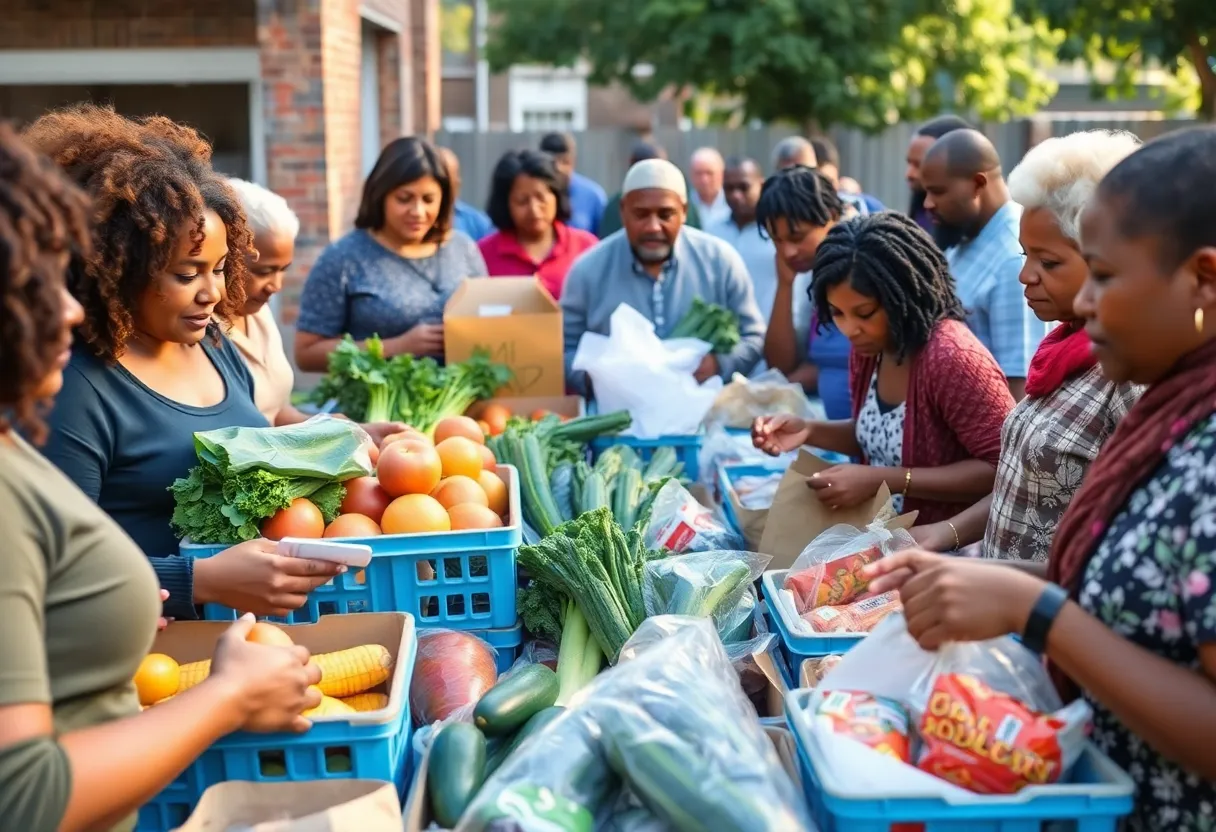
Moreover, organizations like Park Circle Cares have stepped in to facilitate the distribution of fresh food at monthly markets, serving hundreds of families in need. Nonetheless, the demand for support is high, leaving some families still struggling to make ends meet when it comes to their grocery needs.
The Food Insecurity Rate
Data from the U.S. Department of Agriculture shocks many: North Charleston holds a food insecurity rate as high as 20%, which is considerably above the Charleston County average of just 11%. It’s clear that this community is facing a significant challenge on multiple fronts.
The Challenges of Attracting Supermarkets
Local leaders understand the dire need for grocery stores but face hurdles in convincing major grocery chains to establish themselves in the area. These retailers often base their decisions on median income metrics. The unfortunate reality is that lower income levels can deter these businesses from investing in the community, leaving residents with fewer options.
The Threat of Gentrification
As revitalization efforts progress, concerns over gentrification and rising rents loom large. Long-time residents fear that as new businesses come in, they may be pushed out of their own neighborhoods due to increased living costs.
The Path Forward
While incentives from the city government have been offered to attract grocery retailers, major chains remain cautious, leaving the community in a persistent fight for food access. The struggle for fresh groceries continues as residents voice the urgent need for real solutions, challenging all of us to consider how we can be a part of the change. As this community works to break free from the grip of being a food desert, it becomes crucial to support local initiatives, advocate for necessary changes, and encourage businesses to invest in North Charleston.
Deeper Dive: News & Info About This Topic
HERE Resources
Trump Announces Major Tariffs: What You Need to Know
Garden & Gun Relocates Headquarters to Historic Charleston Jail
Charleston’s Meeting Street Manor Extension Faces Redevelopment
Local Plant Shop Transitions to Brick-and-Mortar in Charleston
Publix Super Market Will Open in Powdersville
Charleston Community Shapes 2026-2027 School Calendar
North Charleston Hosts Grocery Distribution Event
North Charleston Residents Call for Food Desert Solutions
Columbia-Area Ticket Wins $100,000 Prize in Powerball!
Southern California Faces Severe Storm and Flooding
Additional Resources
- Post and Courier: North Charleston’s Food Desert Needs Groceries and Change
- ABC News 4: North Charleston Residents Frustrated by Stalled Efforts
- Live 5 News: Nonprofit Farm Store Reimagines Food Access
- Charleston City Paper: Years Later, North Charleston’s South End Still Lacks Major Grocer
- Post and Courier: Free Fresh Produce in North Charleston
- Wikipedia: Food Desert
- Encyclopedia Britannica: Food Desert
- Google Search: Food Deserts North Charleston
- Google Scholar: Food Insecurity North Charleston
- Google News: North Charleston Grocery Shortage


Author: STAFF HERE CHARLESTON
The CHARLESTON STAFF WRITER represents the experienced team at HEREcharleston.com, your go-to source for actionable local news and information in Charleston, Charleston County, and beyond. Specializing in "news you can use," we cover essential topics like product reviews for personal and business needs, local business directories, politics, real estate trends, neighborhood insights, and state news affecting the area—with deep expertise drawn from years of dedicated reporting and strong community input, including local press releases and business updates. We deliver top reporting on high-value events such as the Spoleto Festival USA, Charleston Wine + Food Festival, and the MOJA Festival. Our coverage extends to key organizations like the Charleston Metro Chamber of Commerce and the Charleston Museum, plus leading businesses in tourism and maritime industries that power the local economy such as South Carolina Ports Authority and the Charleston Visitor Center. As part of the broader HERE network, including HEREaiken.com, HEREbeaufort.com, HEREchapin.com, HEREcharleston.com, HEREclinton.com, HEREcolumbia.com, HEREgeorgetown.com, HEREgreenwood.com, HEREgreenville.com, HEREhiltonhead.com, HEREirmo.com, HEREmyrtlebeach.com, HEREnewberry.com, HERErockhill.com, HEREspartanburg.com, HEREaustin.com, HEREcollegestation.com, HEREdallas.com, HEREhouston.com, and HEREsanantonio.com, we provide comprehensive, credible insights into South Carolina's dynamic landscape.