
Charleston’s Shipyard Legacy: A Tale of Triumphs and Tragedies
Charleston, South Carolina, has a history steeped in maritime prowess, particularly through its famed Charleston Naval Shipyard, which began operations in 1901 and became a significant pillar of the local community until its closure in 1996. Over the years, the shipyard played a vital role, not just in shipbuilding, but also in the lives of thousands of workers who relied on its bustling jobs.
From Humble Beginnings to Global Impact
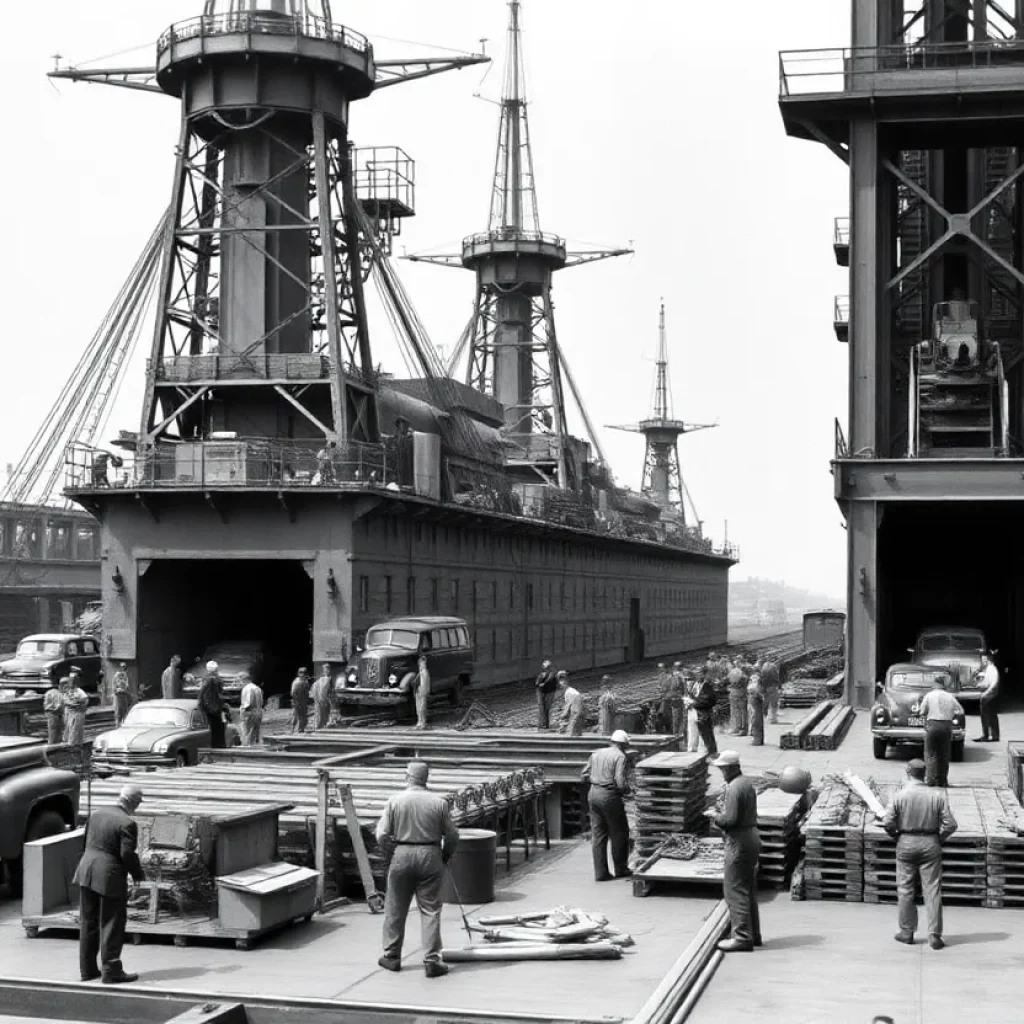
Initially, the Charleston Naval Shipyard had a modest start. By 1932, it employed fewer than 250 workers. However, with the commencement of World War II, everything changed. As the nation geared up for war, the yard saw a massive influx of jobs, ballooning its workforce to a staggering 26,000 employees by 1943. During this era, the shipyard built an impressive total of 229 ships as it contributed to the war efforts.
But the post-war period wasn’t smooth sailing. Shipbuilding began to decline, and the Navy repurposed the yard as a submarine overhaul facility. The yard remained pivotal during the Korean War when it was called upon once again to ramp up production, activating 44 vessels and converting 27 ships for active duty. However, the trend took a downturn after the Vietnam War, leading to its eventual closure on April 1, 1996.
The Asbestos Connection
While the shipyard symbolizes pride for many, it carries a heavy shadow due to its historical use of asbestos. As a material known for its fireproofing and insulating properties, asbestos was common in shipyards during the 20th century. Unfortunately, it also posed serious health risks. Many workers were exposed to this hazardous material, which is linked to various respiratory conditions such as lung cancer, asbestosis, and the dreaded mesothelioma.
By the late 1990s, citizens living near the former shipyard began raising alarms. The area saw a striking increase in pleural cancer diagnoses, with rates four times higher than anticipated. Disturbingly, two-thirds of these cases were found in former shipyard workers. This spurred researchers to investigate the consequences of asbestos exposure further.
A Community on Guard
To assess the risks of asbestos contamination, the South Carolina Department of Health and Environmental Control initiated a comprehensive study. They monitored the air quality surrounding the shipyard while construction efforts focused on revitalizing the 340 acres of land into a sustainable urban environment for North Charleston. They aimed to ensure that air quality remained safe for nine nearby neighborhoods, as exposure could still pose a significant health threat to residents.
Looking Ahead
Though the Charleston Naval Shipyard may have closed its doors decades ago, its impact endures. It’s important to remember that while many workers contributed significantly to the country’s naval strength during wartime, they also faced the grave dangers associated with asbestos exposure. Community advocacy continues to ensure that former workers and nearby residents receive appropriate care and monitoring.
The shipyard’s legacy serves as a powerful reminder of the intertwining stories of triumph and tragedy. As North Charleston transforms this historical site into something new, it also honors the resilience of those who once powered its operations while urging vigilance against the hidden threats of the past.
As Charleston moves forward, the collective hope is for a brighter future that combines respect for history with a commitment to health and safety for all its residents.

Author: STAFF HERE CHARLESTON
The CHARLESTON STAFF WRITER represents the experienced team at HEREcharleston.com, your go-to source for actionable local news and information in Charleston, Charleston County, and beyond. Specializing in "news you can use," we cover essential topics like product reviews for personal and business needs, local business directories, politics, real estate trends, neighborhood insights, and state news affecting the area—with deep expertise drawn from years of dedicated reporting and strong community input, including local press releases and business updates. We deliver top reporting on high-value events such as the Spoleto Festival USA, Charleston Wine + Food Festival, and the MOJA Festival. Our coverage extends to key organizations like the Charleston Metro Chamber of Commerce and the Charleston Museum, plus leading businesses in tourism and maritime industries that power the local economy such as South Carolina Ports Authority and the Charleston Visitor Center. As part of the broader HERE network, including HEREaiken.com, HEREbeaufort.com, HEREchapin.com, HEREcharleston.com, HEREclinton.com, HEREcolumbia.com, HEREgeorgetown.com, HEREgreenwood.com, HEREgreenville.com, HEREhiltonhead.com, HEREirmo.com, HEREmyrtlebeach.com, HEREnewberry.com, HERErockhill.com, HEREspartanburg.com, HEREaustin.com, HEREcollegestation.com, HEREdallas.com, HEREhouston.com, and HEREsanantonio.com, we provide comprehensive, credible insights into South Carolina's dynamic landscape.